Skip to page content Go to menu Go to the help menu
Search engine:

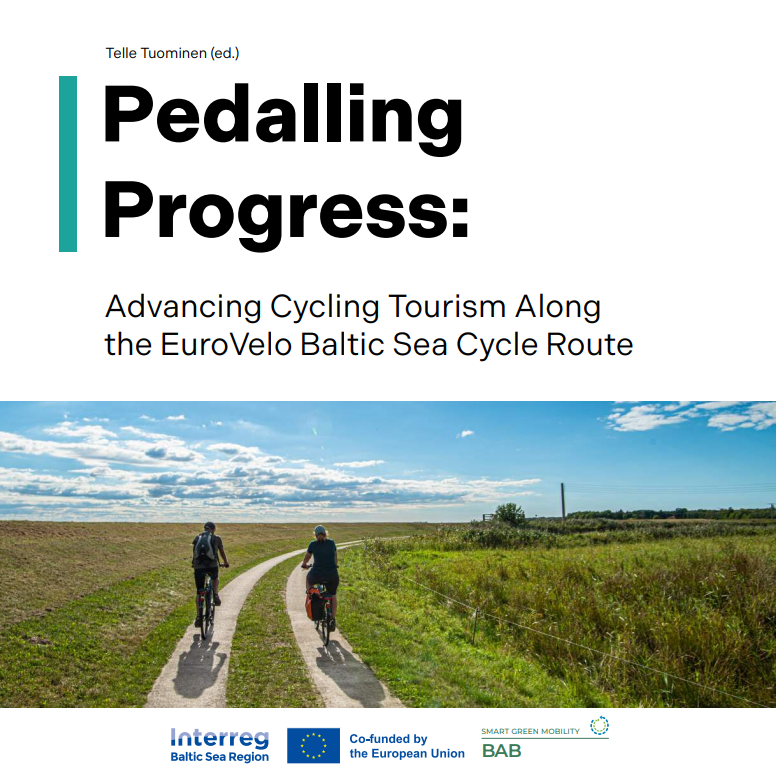
The Bike Across the Baltic (BAB) project is coming to an end – it’s the perfect moment to summarize what we’ve achieved over the last two years! The full article is available in English here: ARTICLE

Telle Tuominen, a tourism lecturer at Turku University of Applied Sciences (Project Leader), has compiled the experiences, activities, and achievements of our international project. In her article, she describes the development of the EuroVelo 10 international cycle route around the Baltic Sea, focusing on the results of the Bike Across the Baltic project, implemented between August 1, 2023, and July 30, 2025.

With the growing popularity of cycling as a sustainable means of transport and form of tourism, the BAB project is an important step towards promoting and improving cycling infrastructure in the region. The article presents the latest activities and their impact in the four partner countries: Estonia, Finland, Poland, and Sweden.

The report shows the current state of development of cycling tourism and specific activities carried out as part of the BAB project – from infrastructure investments to promotional and educational activities. It also identifies key factors conducive to the development of cycling routes, as well as strategic directions for further action, both for local governments and non-governmental organizations involved in sustainable mobility, as well as for the tourism industry and cyclists themselves.

Poland: The state of cycling tourism and the contribution of the BAB project

Poland supports the development of cycling tourism through national mobility, health, and climate policies. In the Pomorskie region, the development of cycling is strongly embedded in regional strategies, with an emphasis on active mobility and sustainable tourism. Many regions in Poland have been promoting cycling tourism for years. In June 2025, the Polish Tourist Organization submitted an application to the European Cyclists’ Federation (ECF) to establish a National Coordination Center (NECC) in Poland.

At the regional level, key players include the Pomorskie Tourist Board and the Marshal’s Office of the Pomorskie Province, as well as local non-governmental organizations and local governments. The strengths of cycling tourism in Poland include well-prepared seaside towns such as Ustka and Łeba, growing multimodality (e.g., ferry connections from Gdynia and Gdańsk), and the increasing involvement of local communities through campaigns such as “Cycling May.” The development and promotion of cycling routes is based on structured cooperation and many years of experience in implementing EU projects.

However, challenges remain, such as a lack of nationwide coordination, inconsistent route signage (especially in rural and forest areas), limited availability of cyclist-friendly services in remote areas, and the need to create dedicated cycling infrastructure in places where cyclists share the road with other vehicles.

What has the BAB project changed in Poland?

Thanks to the BAB project, the Pomorskie Tourist Board has carried out a detailed inventory of the EuroVelo 10 route in the regions of Pomerania, Warmia, and Masuria, covering a total length of 420 km. The key strengths of the route and areas for improvement were identified, particularly near the Słowiński National Park, where measures are needed to increase safety, improve signage, and provide adequate leisure infrastructure.

The BAB project also initiated new forms of cooperation between the departments of tourism, transport, and environmental protection in local governments, and raised awareness among tourism experts about the development of cycling tourism. The results of the project include: a Polish version of a comprehensive report on cycling tourism in the Baltic countries, along with good practices and recommendations, available here https:/ /prot.host3.jamel.com.pl/turystyka-rowerowa-w-regionie-morza-baltyckiego-rozwoj-wyzwania-i-najlepsze-praktyki/ , numerous regional workshops with stakeholders from local government units and cycling tourism experts, an international webinar on cycling tourism, which can be viewed here: https://www.youtube.com/watch?v=eyHD8WgVJUw, and thematic sessions on cycling tourism at the Baltic Tourism Forum organized by the Thematic Area Coordinators for Tourism of the EU Strategy for the Baltic Sea Region. Thanks to these activities, the EuroVelo 10 route is becoming increasingly attractive to foreign tourists, and the results obtained provide valuable guidance for future actions at the regional and, soon, national level.

We encourage you to read the full article in the Solutions tab on our website – https://interreg-baltic.eu/project/bab/
zdjęcie do nr1

The Pomorskie Tourist Board, as the Coordinator of the EU Strategy’s Tourism Policy Area and leader of European projects in our region, invites PROT members and the entire tourism industry to participate in a new, free project called Climate Neutral Destinations (CliNeDest).

The project aims to support entrepreneurs and organizations in creating low-carbon tourism offers that respond to the growing demand for sustainable travel. As part of the project, we offer practical tools for measuring carbon footprints, expert assistance, and the opportunity to collaborate with partners from the Baltic Sea region.

Why is it worth it?

✅ You will learn about free tools and solutions that support the development of low-carbon business.

✅ You will develop new, attractive tourism services in line with market trends.

✅ You will gain a competitive advantage by responding to the expectations of customers looking for sustainable tourism.

✅ You will benefit from the knowledge and experience of partners from the Baltic countries (including Tampere, Helsinki, and Stockholm).

✅ You will take part in study visits and practical workshops on climate-responsible business.

The project is co-financed by the Interreg Baltic Sea Region 2021–2027.

???? We would also like to remind you about the first international webinar dedicated to the project:

“Shaping climate-smart tourism business” – September 9, 2025.

???? Register here

???? For more information about the webinar, see the post: About the webinar

How to join?

Details on participating in the project can be found in the attached PDF file:

???? Download the invitation to participate in the project

PDF file

If you have any questions, please contact:

???? Urszula Danowska, project coordinator: u.danowska@prot.gda.pl

Join us and let’s work together to secure the future of tourism in the Baltic Sea region!

More information about the CliNeDest project:

CliNeDest Logo Standard small

Climate change is already affecting the seasons, weather, and tourist expectations. What does this mean for your region and tourism business, and how can you turn challenges into new opportunities?

Join us for a free webinar where you will:

    • learn about forecasts for changes in tourist demand,
    • find out how climate change could affect your business and how to prepare for it
    • hear inspiring examples from other Baltic Sea regions,
    • discover ways to increase competitiveness, manage risk, and meet customer expectations

???? Date and time: September 9, 2025, 1:00-3:00 p.m.

???? Language: English

???? Participation: free of charge, registration required

???? Register here

Who can participate?

The webinar is aimed at owners and employees of tourism companies, tourism organizers, representatives of cities and regions, as well as anyone interested in the development of environmentally friendly tourism.

Agenda

1:00 p.m. Welcome to the webinar!

1:05 p.m. Climate change is reshaping European tourism demand – what does it mean for your region? (based on European Commission – JRC study)

Nicoleta Anca Matei, Climate change specialist & Ph.D. in Economics and Finance

1:30 p.m. Keynote: Breaking barriers to climate action in tourism

Jeremy Smith, Entrepreneur & Climate action expert

1:55 p.m. Break

2:00 p.m. Case West Sweden: Climate smart holidays

Fredrik Lindén, CEO & Marie Linde, deputy CEO of the West Sweden Tourist board

2:20 p.m. Company Case – Building a tourism business on climate-smart values

David Naraine, owner of Swedish Country Living®

2:35 p.m. Towards climate-smart tourism through Baltic Sea region cooperation

Annika Koskenkorva, Project Manager at Visit Tampere

14:50 Conclusion and how to get involved

Atlas Juvakka, Project Manager at City of Helsinki

Annika Koskenkorva, Project Manager at Visit Tampere

15:00 End of the webinar

???? More information

???? Register here

The webinar is organized as part of the CliNeDest project, funded by the European Union under the Interreg Baltic Sea Region Program 2021–2027.

More information about the CliNeDest project:

CliNeDest Logo Standard small

The Velo-city 2025 international conference in Gdańsk was not only a global celebration of cycling, but also an excellent opportunity to meet the partners of the Baltic Biking UPGRADE (BBU) project, funded by the Interreg South Baltic program, which aims to develop and promote long-distance cycling tourism along the Baltic coast.

BBU project stand – a center for cooperation and inspiration

During the four-day conference, BBU project partners were present with their own project stand, which became a place for intensive discussions, meetings, promotion, and sharing experiences. The stand, run jointly by the Pomorskie Tourist Board (project leader) and partners from Poland, Denmark, Sweden, Germany, Belgium, Lithuania, and Finland, was visited by many guests, from cycling tourism experts to representatives of European and national institutions.

Among the active participants in the project meetings and those present at the stand were partners from:

  • Pomorskie Tourist Board (PROT) – Poland (project leader)
  • West Pomeranian Tourist Board – Poland
  • Danish Cycling Tourism (Dansk Cykelturisme) – Denmark
  • Cykelfrämjandet – Swedish Cycling Advocacy Organisation – Sweden
  • European Cyclists’ Federation (ECF) – Belgium
  • and an expert collaborating with the Blekinge Region – Sweden

Associate partners were also present, including representatives of the Pomorskie Province, the West Pomorskie Province, The Finnish Center for Cycling Tourism – Bikeland, the Polish Tourist Organization (POT) – whose Vice President visited our stand, supporting the activities of BBU and other initiatives related to cycling tourism.

BBU on stage – participation in a panel discussion led by the ECF

The strong presence of the BBU project was also evident during the conference’s thematic sessions. Magda Leszczyna-Rzucidło, representing the Pomorskie Tourist Board and acting as Coordinator of the EUSBSR Tourism Thematic Area, took part as a panelist in the discussion entitled “Overcoming challenges in EU-funded projects,” led by Goran Lepen from the European Cyclists’ Federation. In her speech, Magda shared her experiences from the implementation of the BBU project, including those related to the management of international partnerships, effective communication with stakeholders, and the planning of dissemination activities.

Thanks to this session, the Baltic Biking UPGRADE project was presented as an example of a successful and integrated international cycling project that combines infrastructure activities with promotion, education, and sustainable mobility policy.

Wideo-relacje z partnerami – głos regionów Bałtyku

Korzystając z obecności wszystkich partnerów i ekspertów w jednym miejscu, przygotowaliśmy serię krótkich wideo-wywiadów, w których nasi partnerzy opowiedzieli:

    • czym zajmuje się ich organizacja w projekcie BBU,

    • jaka jest ich rola i wkład w rozwój trasy rowerowej wokół Bałtyku,

    • co sądzą o konferencji Velo-city 2025 w Gdańsku i dlaczego warto uczestniczyć w takich wydarzeniach.

Powstał materiał, który oddaje atmosferę współpracy i pasji do rozwoju turystyki rowerowej w regionie. Zachęcamy do obejrzenia efektów nagrań tutaj:

https://www.facebook.com/share/r/1FsBuDhxu4

Baltic Biking UPGRADE is more than just a project—it is a shared vision of the Baltic Sea region as an accessible, friendly, and sustainable cycling destination that connects people, countries, and values. Our participation in Velo-city 2025 confirmed that we are well on our way to making this goal a reality.

June 2025 will go down in history as a special moment for cycling enthusiasts from around the world – it was then that Gdańsk hosted the largest international conference dedicated to cycling mobility – Velo-city 2025!

On June 10–13, under the slogan “Connecting through Cycling,” over 1,500 participants from around the world gathered at the European Solidarity Center to discuss the future of sustainable transport and exchange best practices in cycling policies, innovation, infrastructure, and tourism.

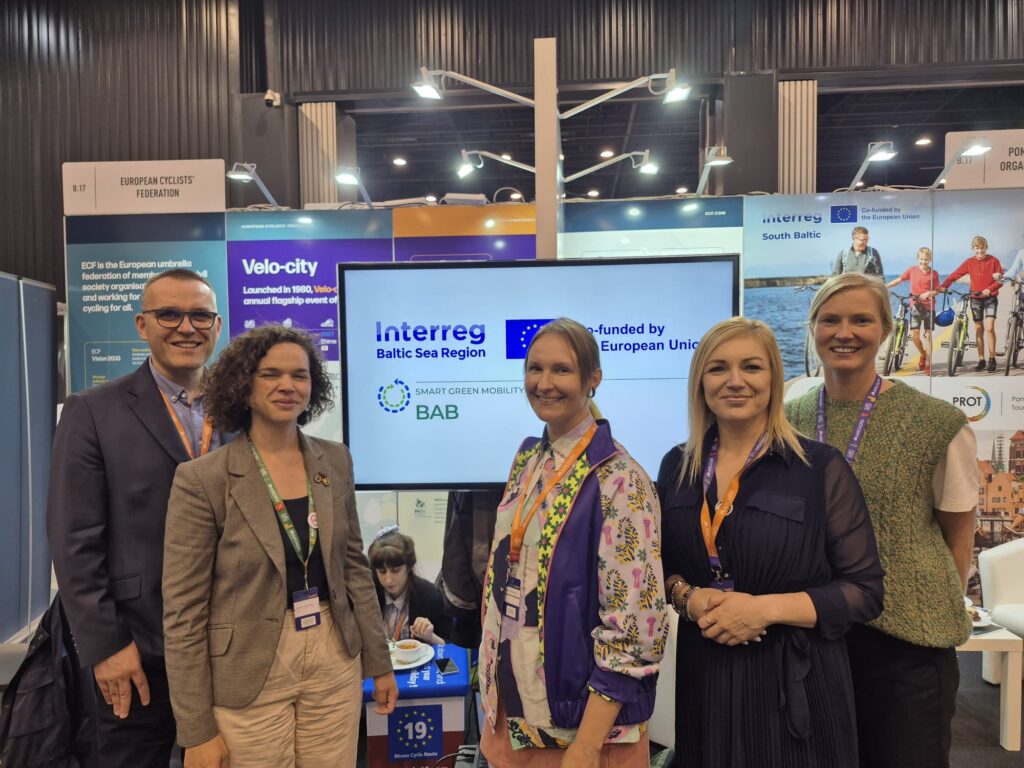
The event was attended by partners of the Bike Across the Baltic (BAB) project, who met in Gdańsk not only to summarize their joint work on the project, but also to actively participate in a broad international debate on mobility and cross-border cooperation in the Baltic Sea region.

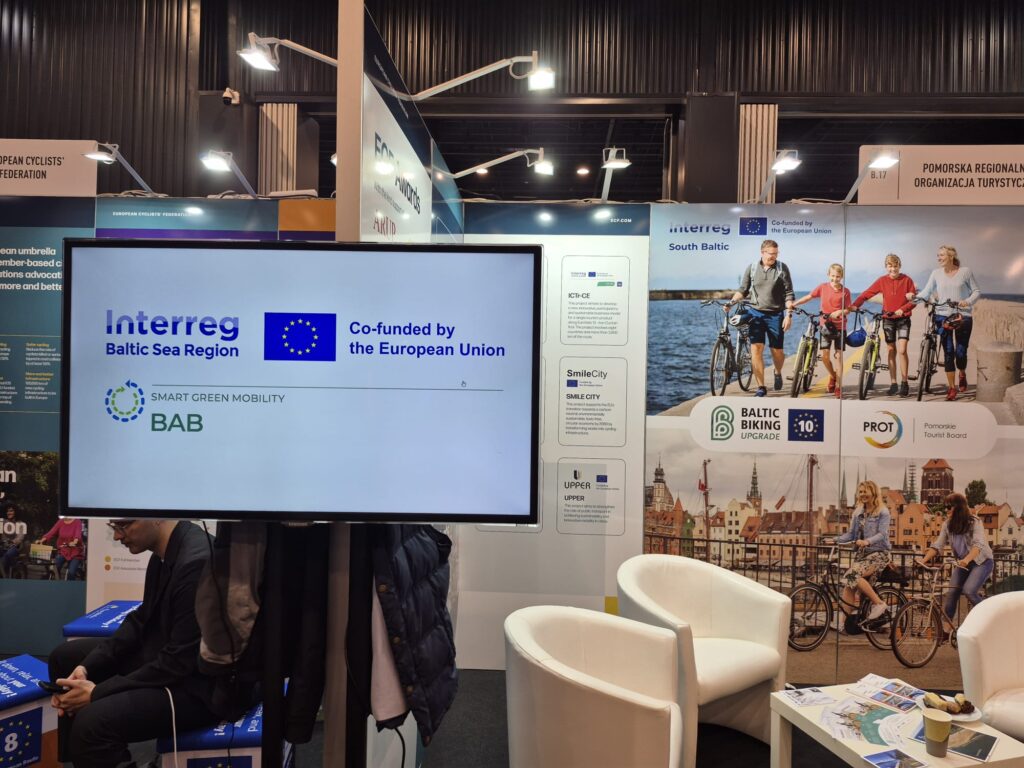
The Pomorskie Tourist Board (PROT), a partner of the BAB project, was present at the conference with its own promotional stand. Over four days, we welcomed hundreds of visitors – representatives of local governments, European institutions, non-governmental organizations, the tourism and transport industries, as well as cycling enthusiasts from all over Europe and the world.
At the stand, we presented our activities in the field of cycling tourism development, including the results of the BAB project, materials promoting the EuroVelo 10 route in Poland, and regional initiatives in the area of sustainable mobility. The premiere of the final promotional film for the BAB project, which was shown on screen throughout the conference and was very well received, attracted particular interest.

The film can be viewed here:

PROT’s participation in Velo-city 2025 was also an opportunity for many direct discussions with experts, decision-makers, and partners from the Baltic Sea region. Together, we discussed the possibilities for further development of the EuroVelo network, infrastructure needs, user education, and the creation of attractive, safe, and accessible cycling routes in Northern Europe.

Discussion on challenges in EU projects – PROT on the Velo-city stage

A special moment for the Pomorskie Tourist Board was the participation of PROT representative Magda Leszczyna-Rzucidło, Director of International Cooperation and Coordinator of the Tourism Thematic Area in the EU Strategy for the Baltic Sea Region (EUSBSR) – in a panel discussion entitled “Overcoming challenges in EU-funded projects, which took place on June 12 from 2:30 p.m. to 3:30 p.m. on the Freewheel stage. The session aimed to discuss the challenges faced by beneficiaries and applicants of EU projects – both at the stage of preparing the application and implementing the projects. Magda Leszczyna-Rzucidło, together with Hunter Reinhardt, a representative of the Interreg Baltic Sea Region program, presented specific experiences and challenges that arose in the BAB project. The importance of clear communication in international partnerships, adaptation to changing local contexts, and the need for a flexible approach to cross-border project management were emphasized.

Renowned experts also took part in the discussion:

    • Philip Amaral, Policy and Development Director at the European Cyclists’ Federation (ECF), session moderator
    • Bonnie Fenton, Senior Consultant at Rupprecht Consult (Germany)
    • Fariya Sharmeen, Associate Professor of Mobility and Urban Planning at KTH Royal Institute of Technology (Sweden)
    • Goran Lepen – Project Director at ECF, associate partner of the BAB project.

The audience was able to not only hear specific examples, but also ask questions to the panelists and get practical advice on how to deal with difficulties in European projects.

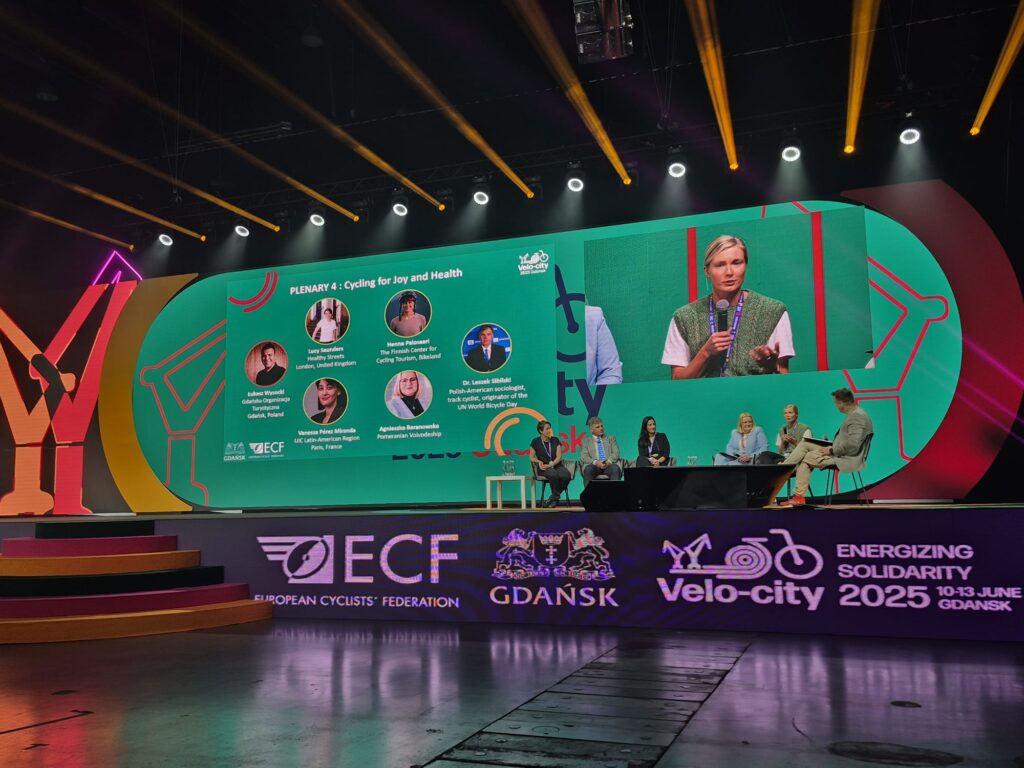
Of particular importance to the BAB project partners was the plenary session entitled “Cycling for Joy and Health,” which took place on June 12 from 9:00 to 10:15 a.m. During the session, the importance of cycling and recreational tourism as a gateway to everyday cycling was discussed, especially in the context of Central and Eastern Europe. From the perspective of the BAB project, the participation of our Finnish partner, Henna Palosaari from The Finnish Center for Cycling Tourism – Bikeland, was extremely valuable. She shared her experiences related to the development of national coordination of cycling routes and the promotion of long-distance cycling tourism in Finland. Her presentation reinforced the message that cycling tourism can be not only a source of joy and health, but also an effective tool for changing mobility to a more sustainable one throughout the Baltic Sea region.

Velo-city is the world’s largest and most prestigious conference on cycling policy. The event is organized by the European Cyclists’ Federation (ECF), and the host of the 2025 edition was Gdańsk – a city with a strong cycling identity, which has been consistently developing infrastructure for cyclists for years. The conference attracts urban planners, decision-makers, engineers, scientists, representatives of social organizations, and the private sector—all those involved in creating cyclist-friendly cities and regions.

Velo-city 2025 included over 60 thematic sessions, workshops, presentations of international projects, test rides, and accompanying events. The main topics included: spatial planning, public health, climate, digitization of mobility, and bicycle tourism—including the Bike Across the Baltic project. Participation in Velo-city 2025 showed that Bike Across the Baltic is not only an infrastructure project, but also a platform for cooperation, knowledge exchange, and the promotion of common values—sustainable mobility, cross-border cooperation, and the promotion of the Baltic Sea region as a unique cycling destination. We were proud to represent Pomorskie on the international stage, showing how effectively we combine regional strategy with practical actions for sustainable tourism.

Thank you to everyone who visited our stand and took part in the panels and discussions. See you on the EuroVelo 10 route – cycling around the Baltic Sea!

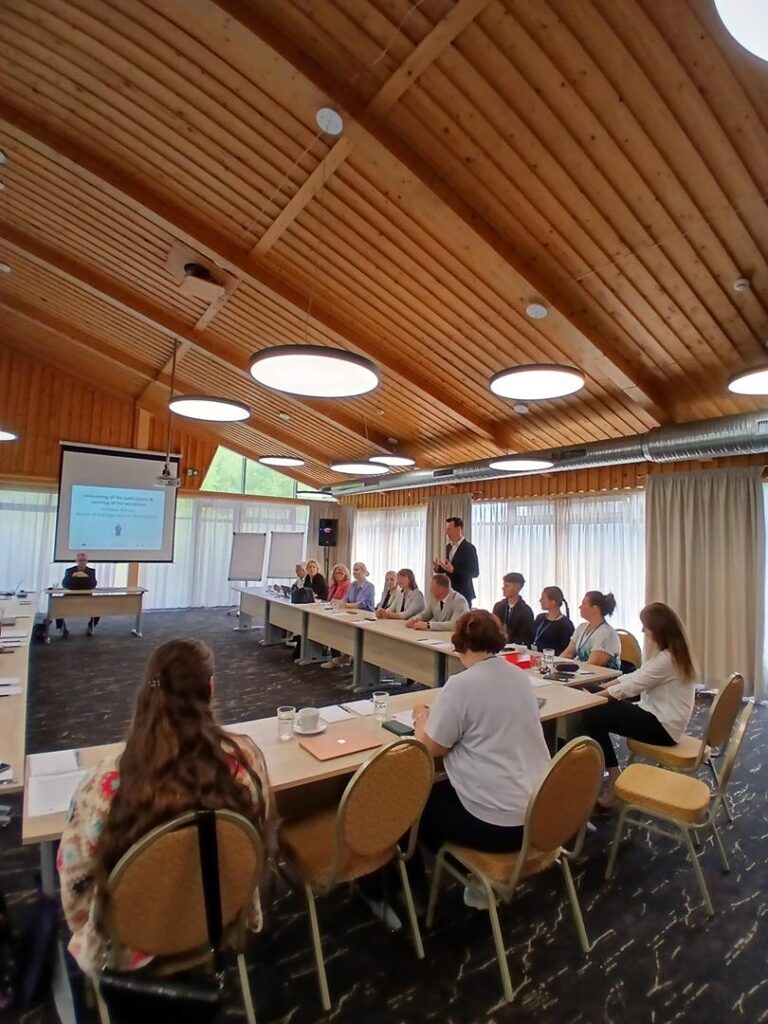
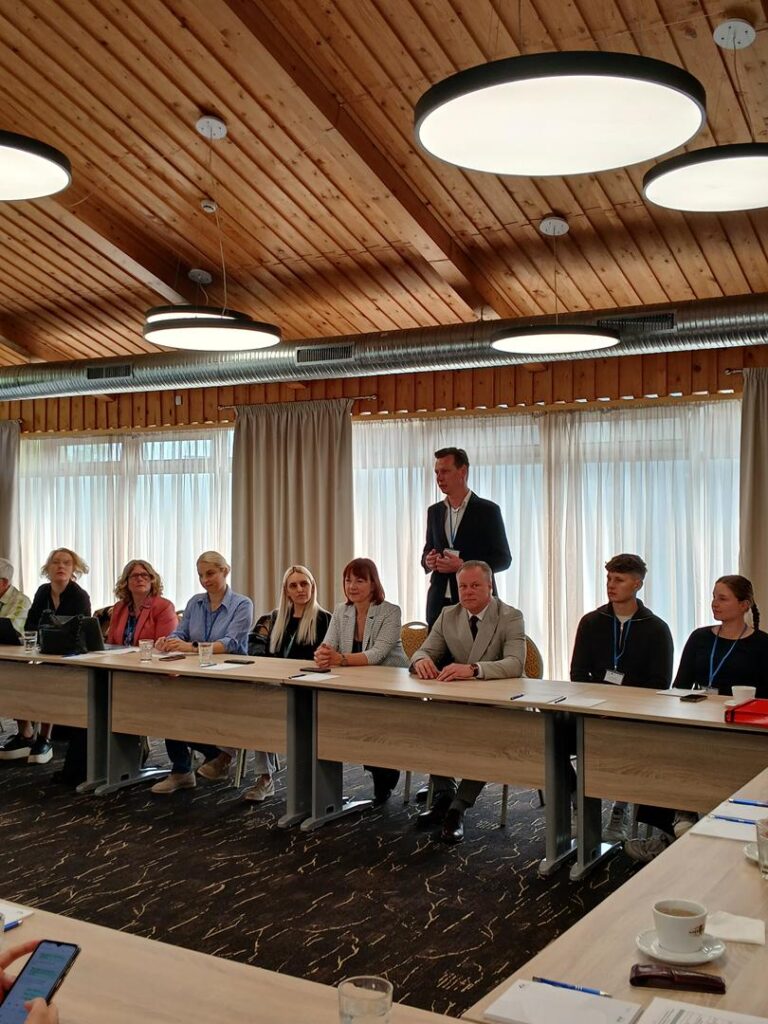
On June 3–5, 2025, another meeting of all partners of the “Horse Tourism for Everyone” project took place in Kretynga, Lithuania. The event brought together representatives of institutions from Poland, Lithuania, Germany, Denmark, and Sweden, who are working together to develop inclusive, environmentally friendly equestrian tourism in the South Baltic region.

The meeting was hosted by the Kretinga District Municipality. The program included:

    • presentations of pilot trails created in various partner regions,
    • discussions on the creation of marketing narratives and products aimed at new target groups,
    • networking sessions, and bilateral working meetings.

Study visits: local good practices in Kretinga

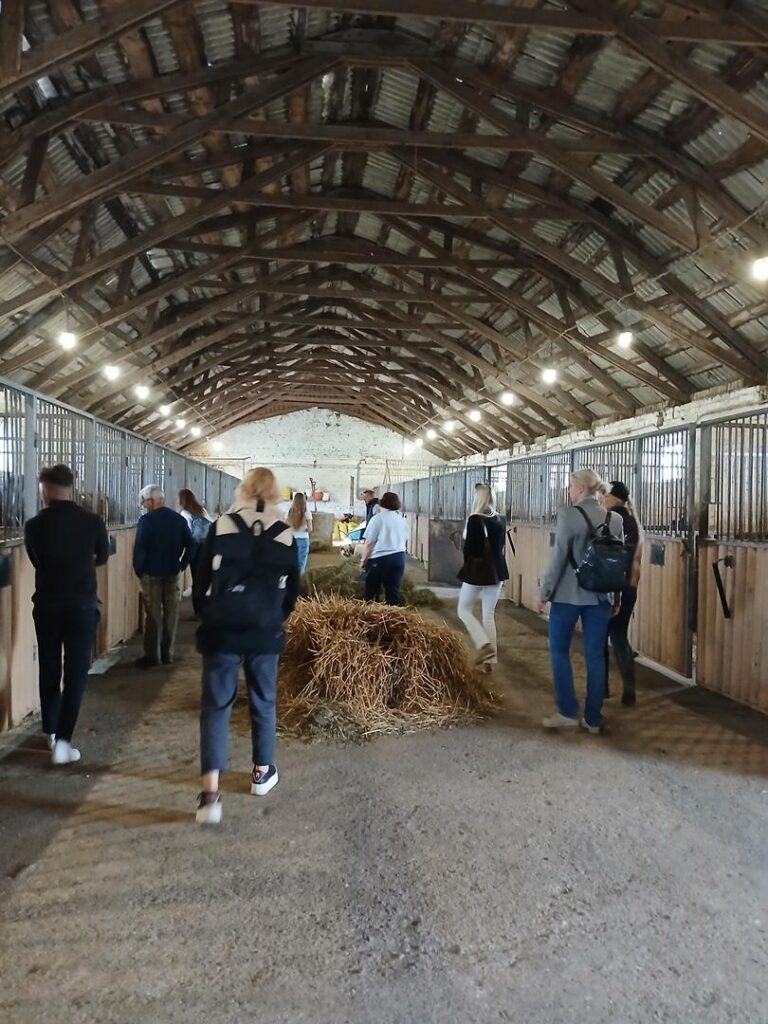
An integral part of the meeting were study visits, during which partners had the opportunity to learn about the functioning of local equestrian and agritourism centers, which are examples of accessible and diverse horse riding tourism offers.

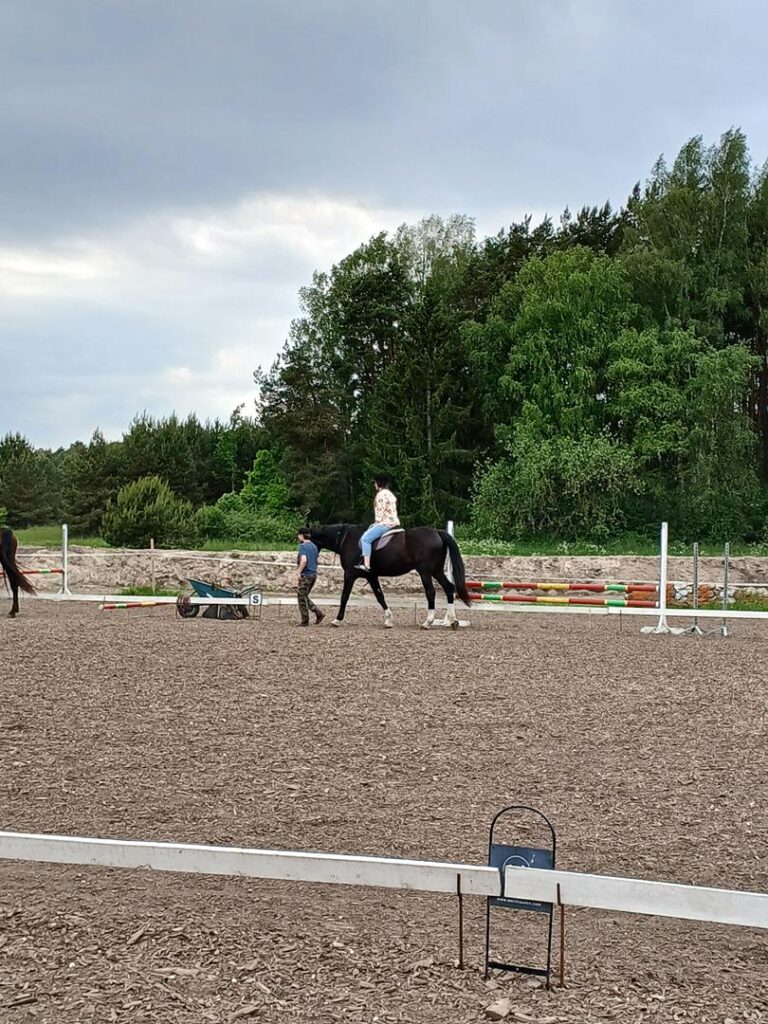
Horse Riding School “Lyderis” (Žibininkai)

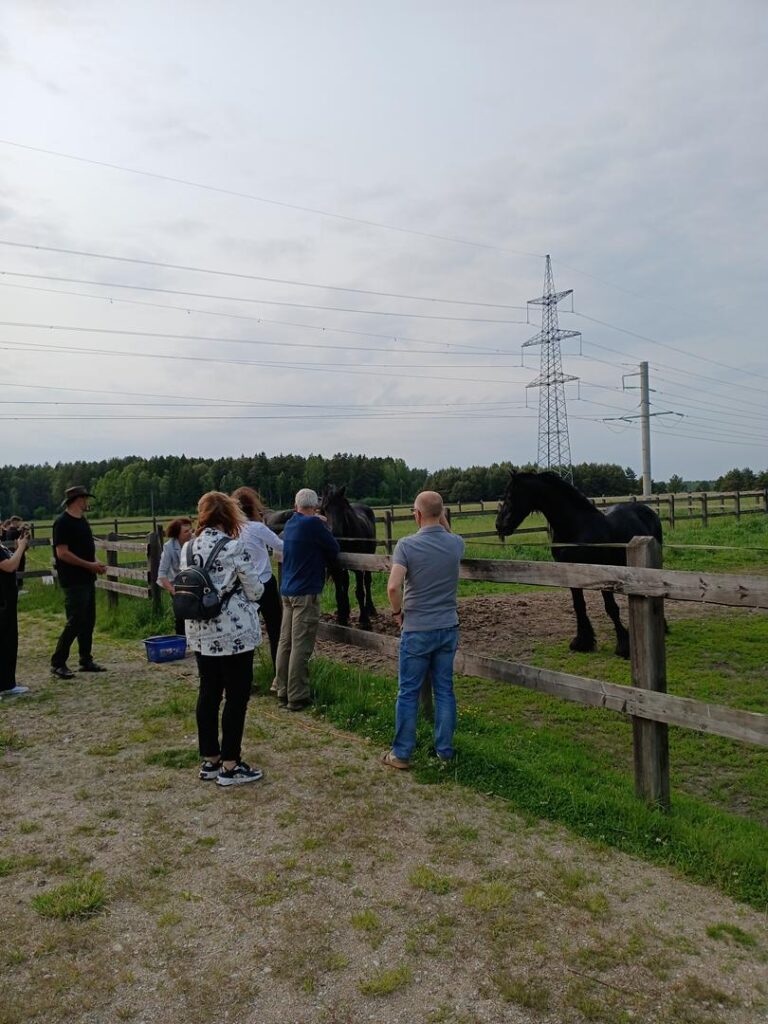
The “Lyderis” stable is a place with a rich educational and recreational offer, available to children, teenagers, and adults—even those who have never had contact with horses before. The center conducts horse riding lessons, organizes summer camps, and promotes contact with horses as a form of relaxation and emotional development.

During the visit, the infrastructure of the stables, organizational capabilities, and the instructors’ approach, which focuses on safety and an individual approach to riders, were presented.

Homestead “Kalniaus sodyba” (Barkeliai)

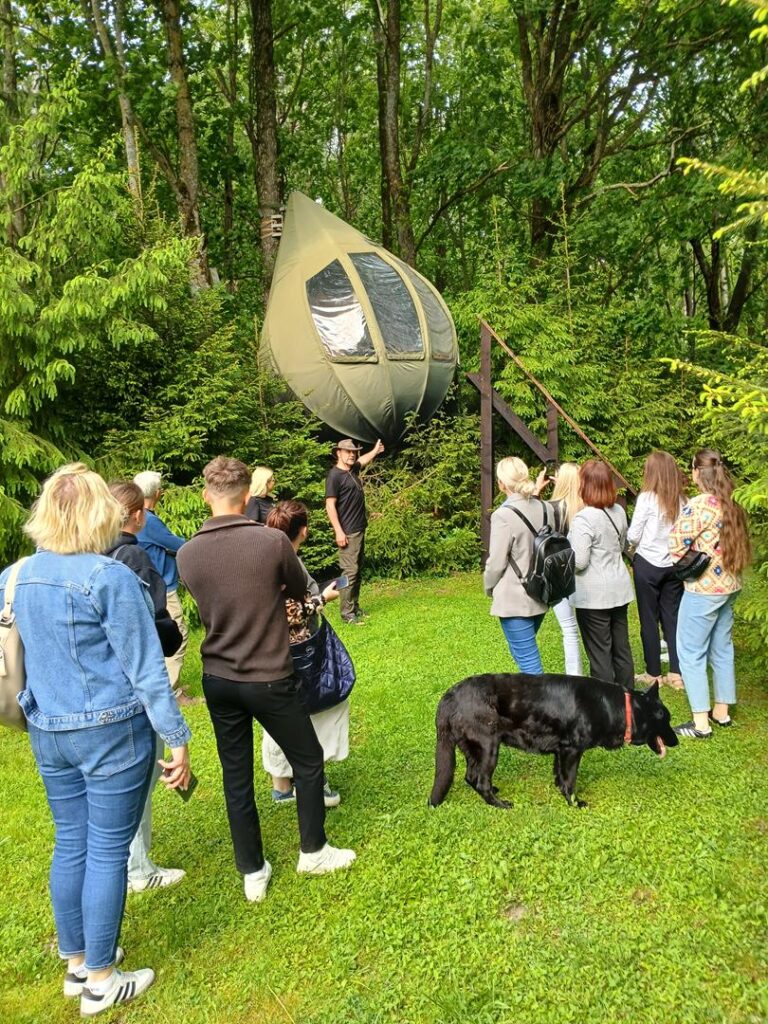
The second stop was the family estate “Kalniaus sodyba,” which combines elements of horseback tourism, slow tourism, and local heritage. The hosts offer accommodation, meals based on local products, and the opportunity for peaceful contact with horses—walks, observation, and even workshops with horses for people with limited mobility or no riding experience.

The participants were impressed by the natural character of the place and its potential as a model example of horse riding tourism accessible to a wide range of audiences, from families to seniors.

Conclusions and next steps

The meeting in Kretynga confirmed the importance of involving local communities and operators in the development of tourism products and creating offers open to new groups of recipients – including the elderly, families, people with disabilities, and customers who are in contact with horses for the first time.

Further activities in the project will include:

  • developing a coherent marketing campaign “Horse Tourism for Everyone,”
  • preparing promotional materials,
  • developing pilot horse riding trails in partner regions,
  • joint activities promoting horse riding tourism as an accessible, safe, and friendly form of activity.

We encourage you to follow our social media channels, where more information will be available soon!

On June 3–5, 2025, an international meeting of BASCIL project partners was held in Pomorskie. The event was organized jointly by the Pomorskie Tourist Board and the Pomerania Development Agency S.A., and its aim was to exchange experiences and present good practices in the development of culinary tourism based on local identity and heritage.

During the three-day visit, the project partners had the opportunity to learn about pomorskie culinary tourism services, created and developed as part of BASCIL. The offers of the project beneficiaries in Pomorskie form Pomorskie Taste.

The program included, among others:

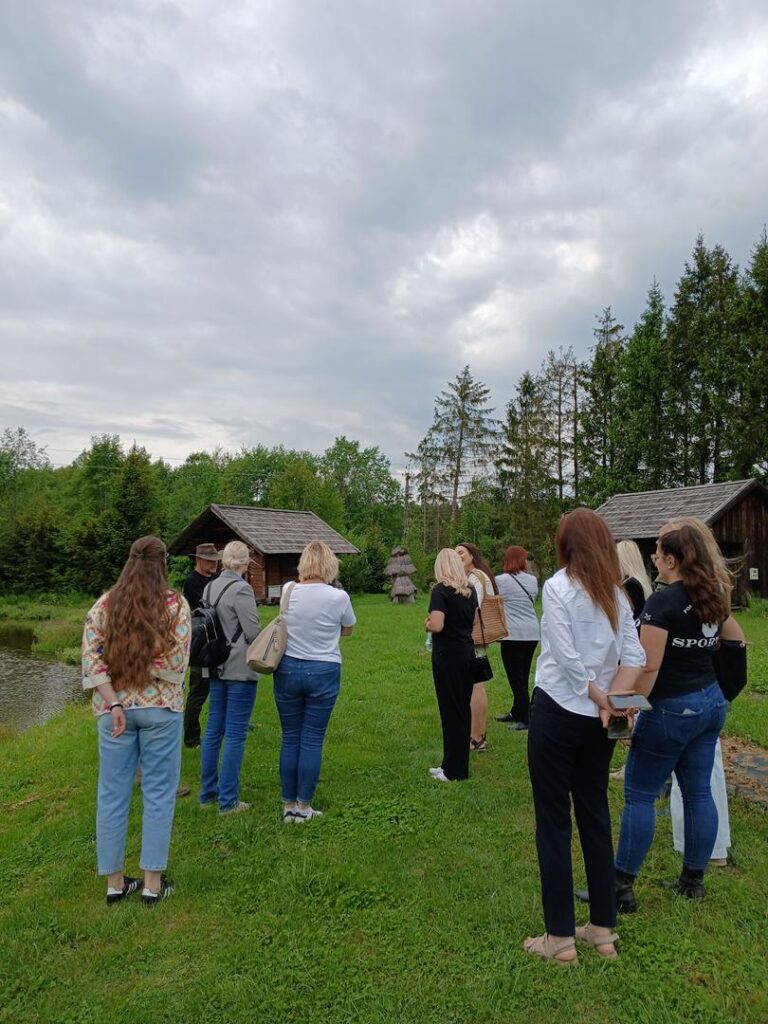
    • a visit to the Miodolandia apiary in Żuławy, where guests listened to fascinating stories about the life of bees and the importance of beekeeping for local culture;
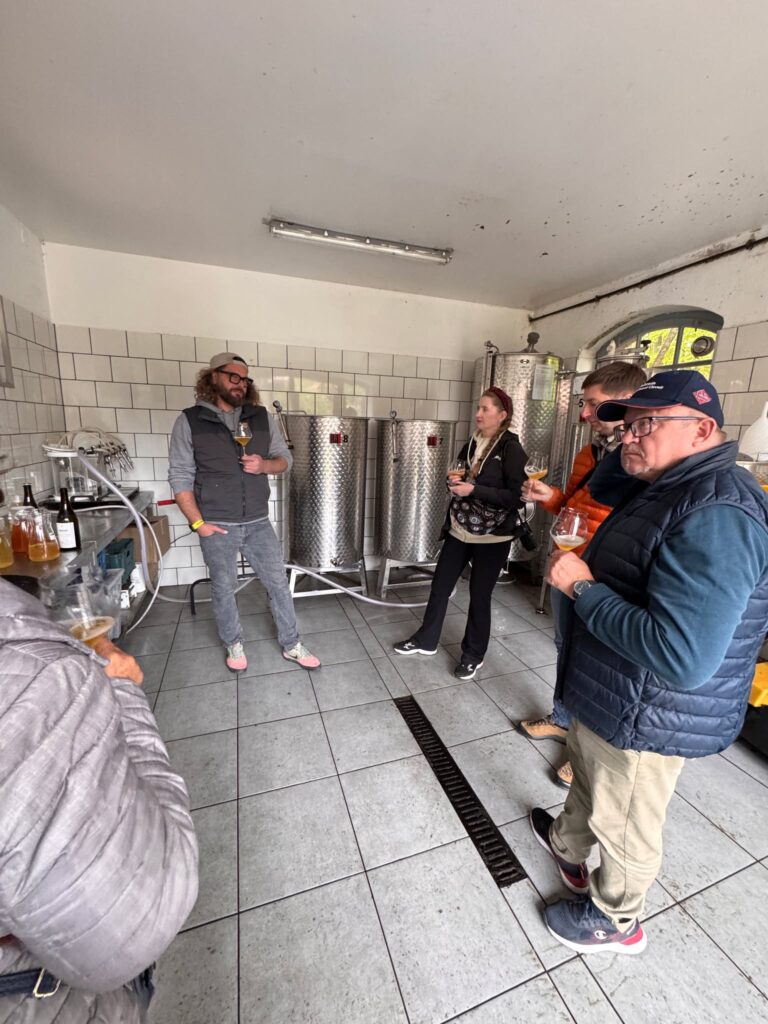
    • a meeting with the cider producer Cydr Tabun, combined with tasting and a discussion about fermentation as a tradition and craft;
    • a presentation of local flavors at Smaki Kaszub (Flavors of Kashubia) using products made by the project’s beneficiaries;
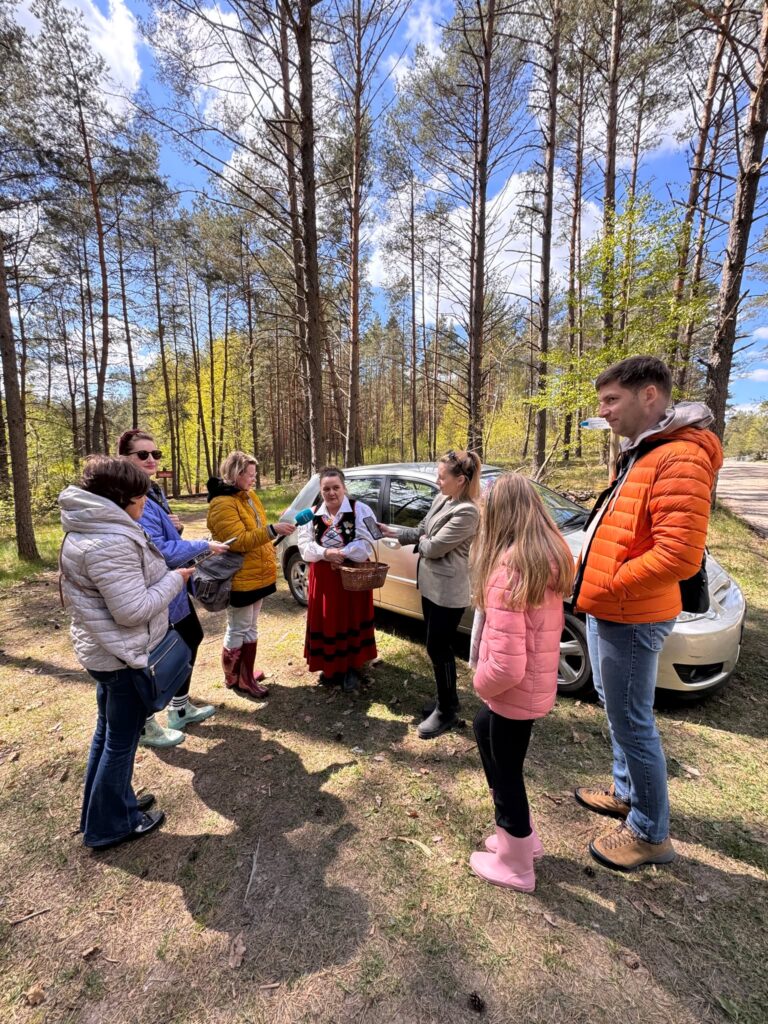
    • a barefoot walk through the wetlands with Agroturystyka Gościna and cooking with wild plants from Chwastowe Pole – examples of authentic experiences that combine nature, education, and cuisine.

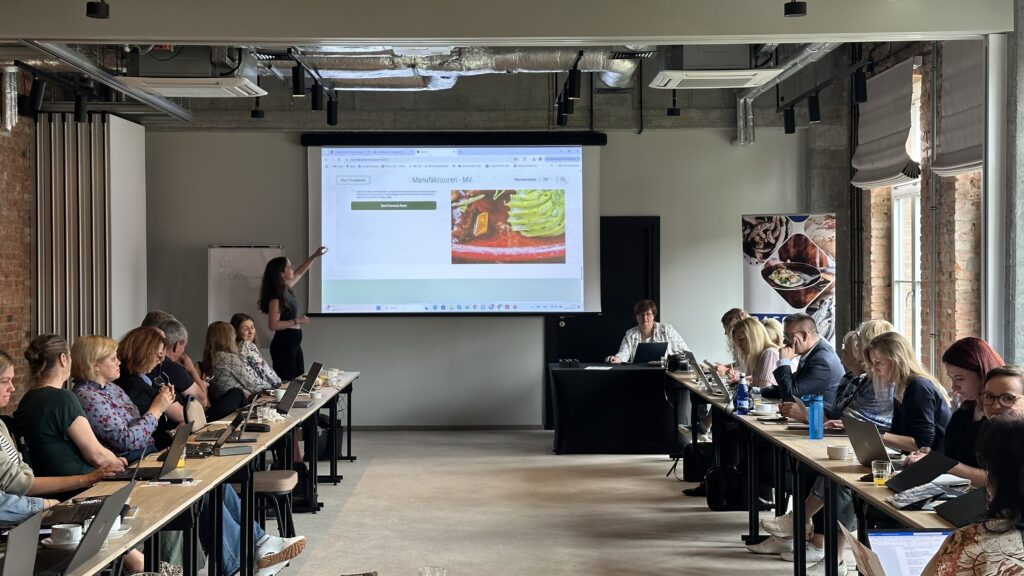
In addition to the study visits, there were also working sessions devoted to the pilot projects, the planned project summary conference in Sweden, and joint promotional tools, such as a culinary guide to the partner regions.

We would like to thank all partners for their presence, commitment, and inspiring discussions. The meeting in Pomorskie once again showed that local cuisine, authentic stories, and international cooperation can together build a modern and sustainable culinary tourism offer.

The BASCIL project is implemented as part of the Interreg Baltic Sea Region program and aims to develop culinary tourism as a tool to support local communities, cultural heritage, and the sustainable development of the Baltic Sea regions.

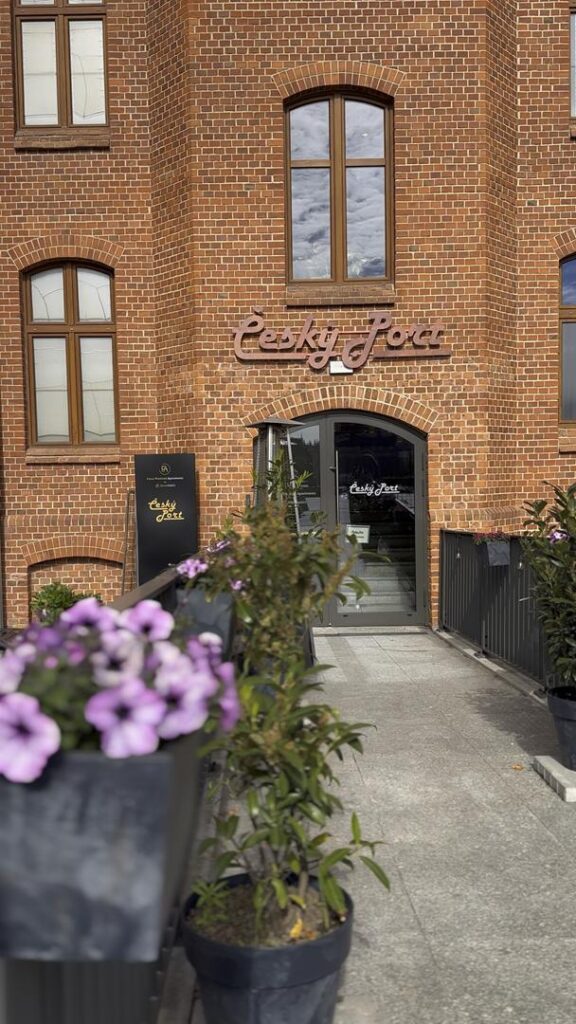
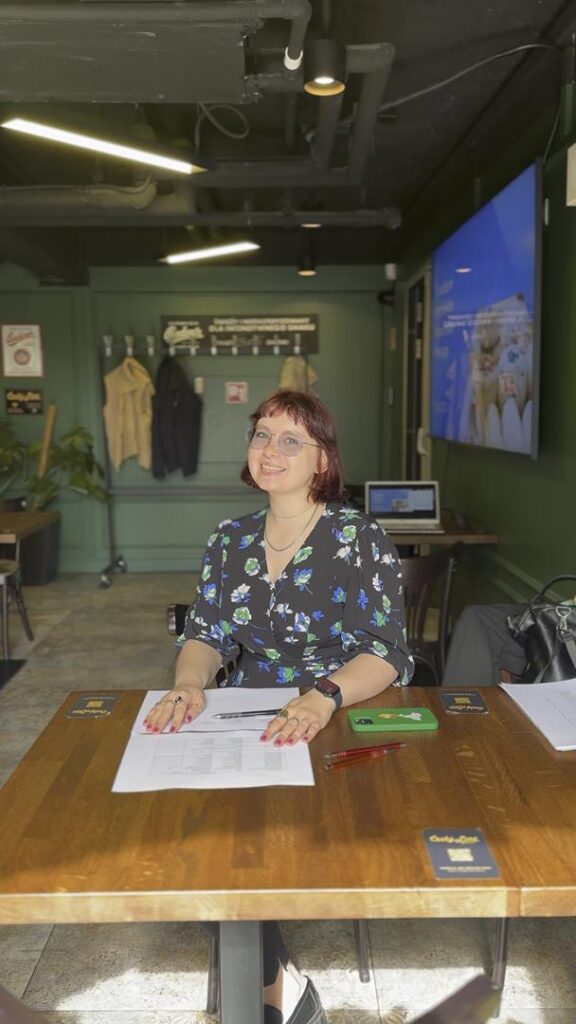
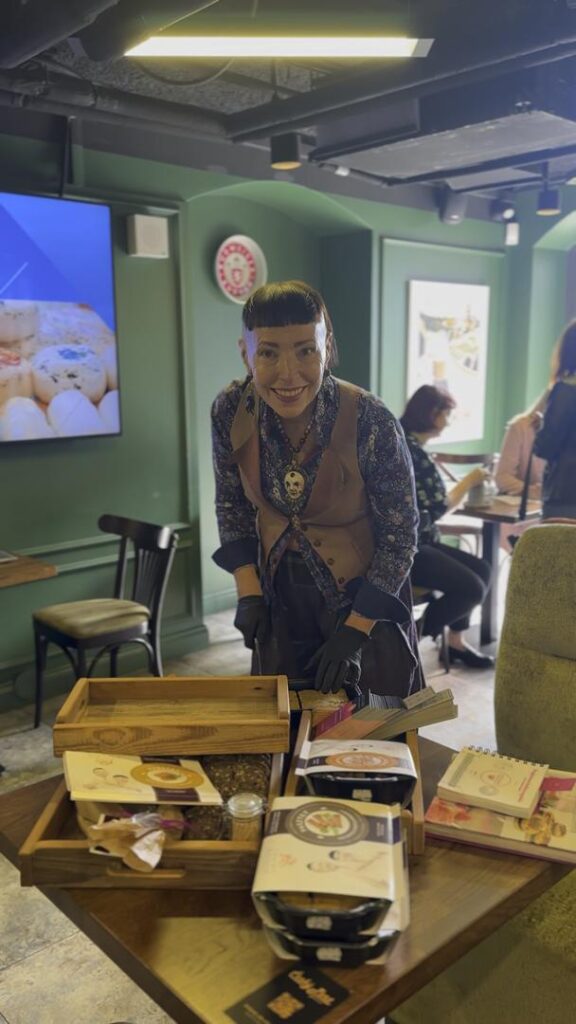
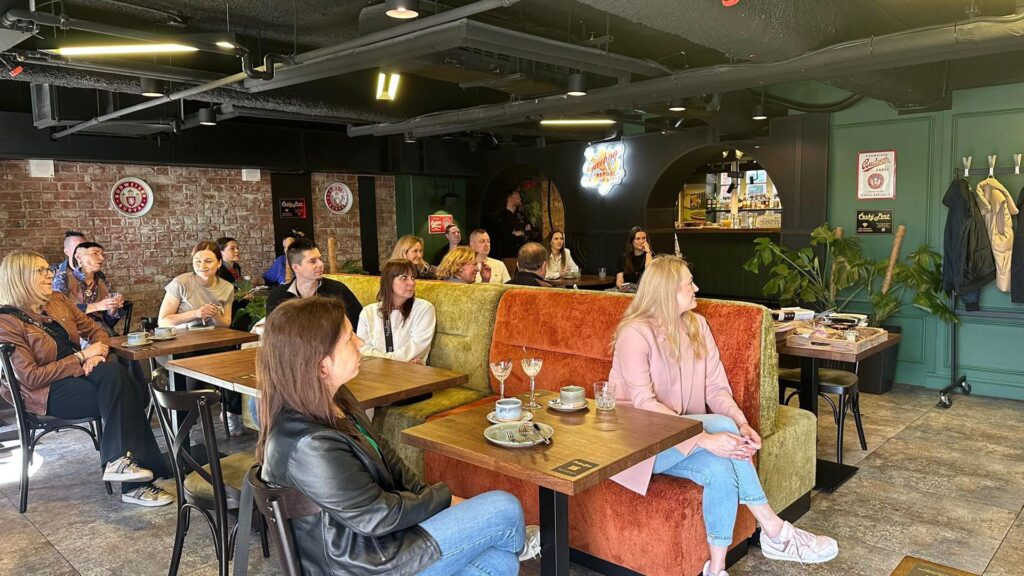
That morning smelled of bread, herbs, and good energy. On May 29, partners of Pomorskie Prestige met at the Cesky Port restaurant in Gdańsk to celebrate the flavors of the region, exchange experiences, and inspire further action.

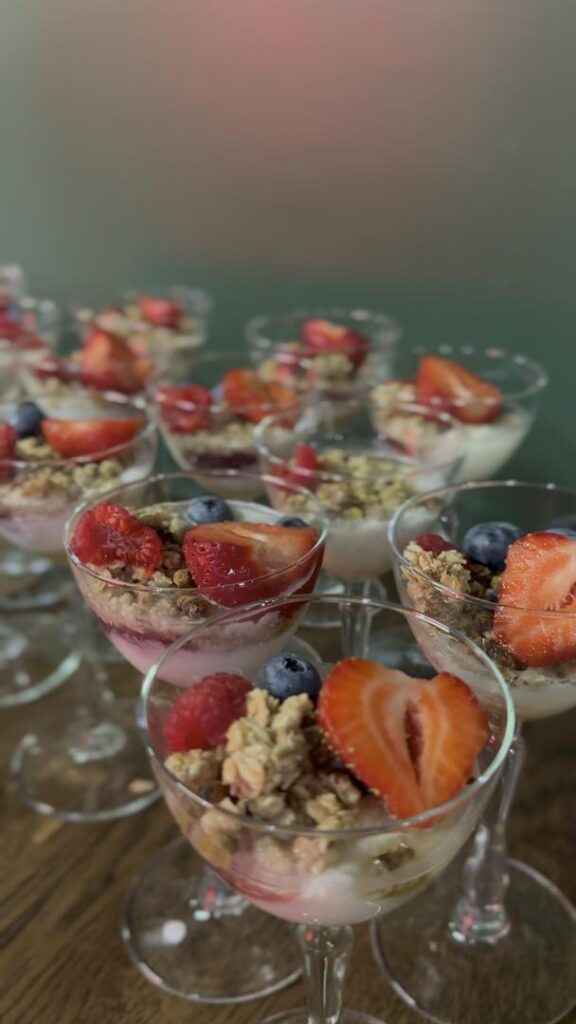
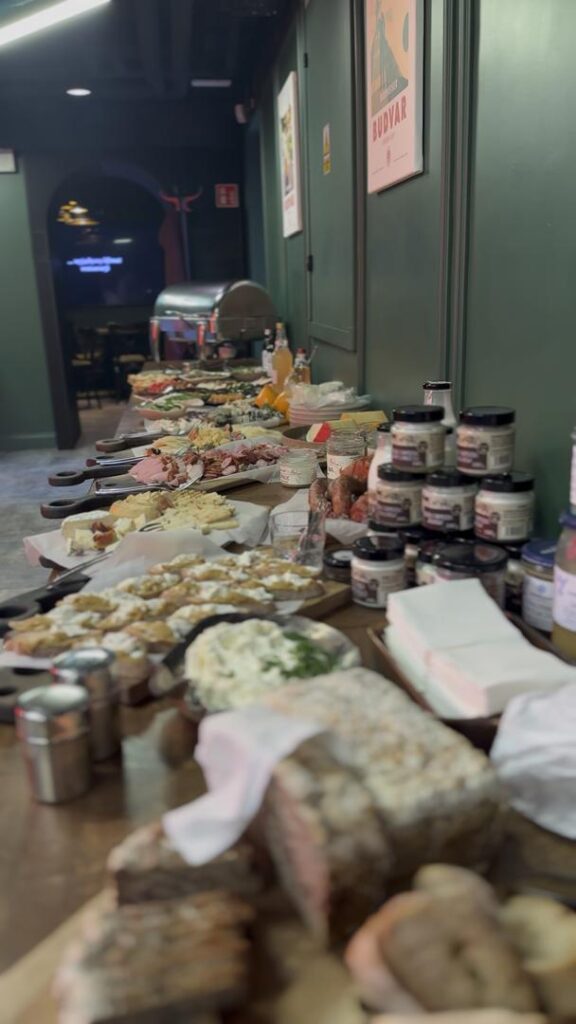
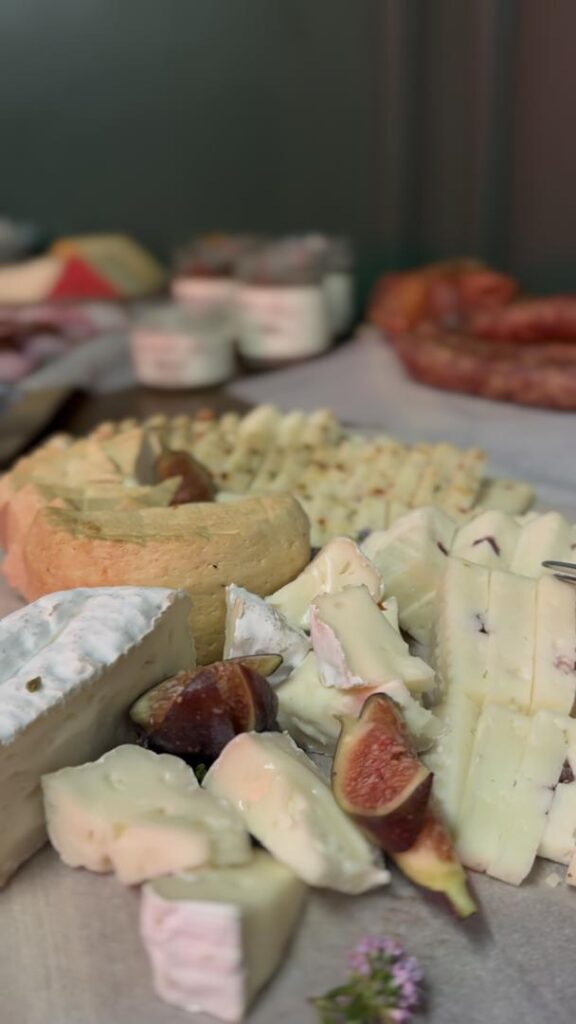
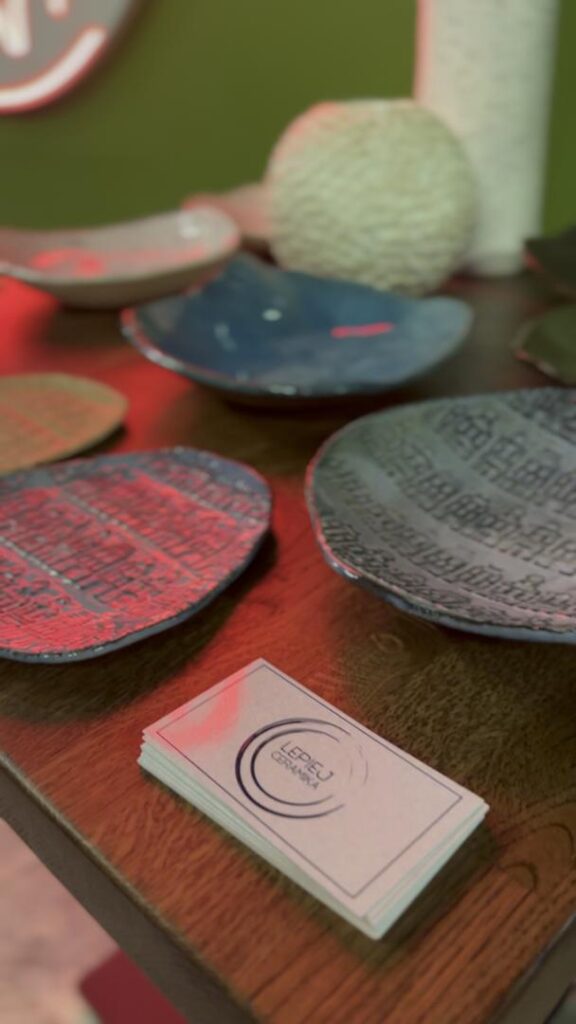
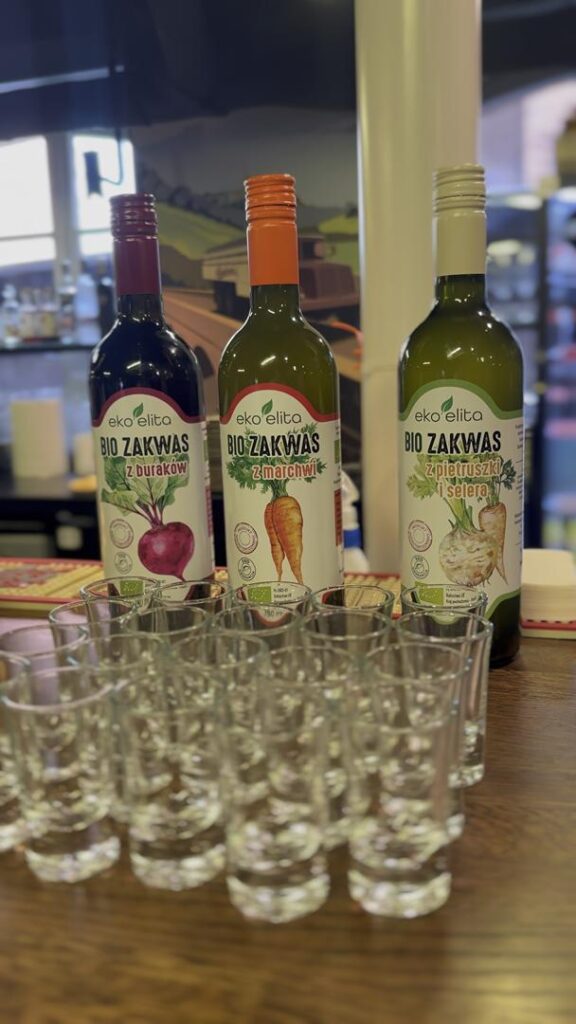
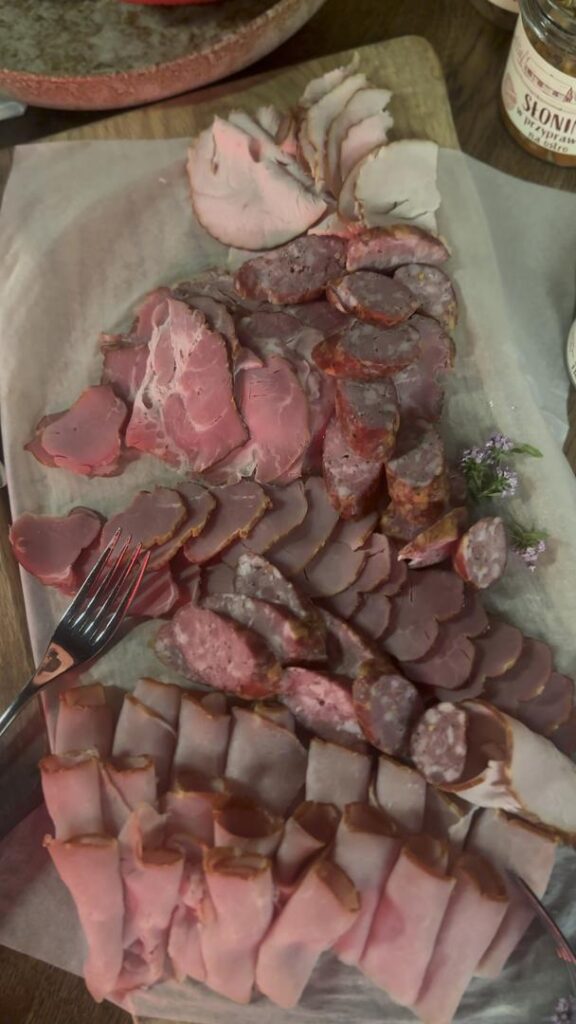
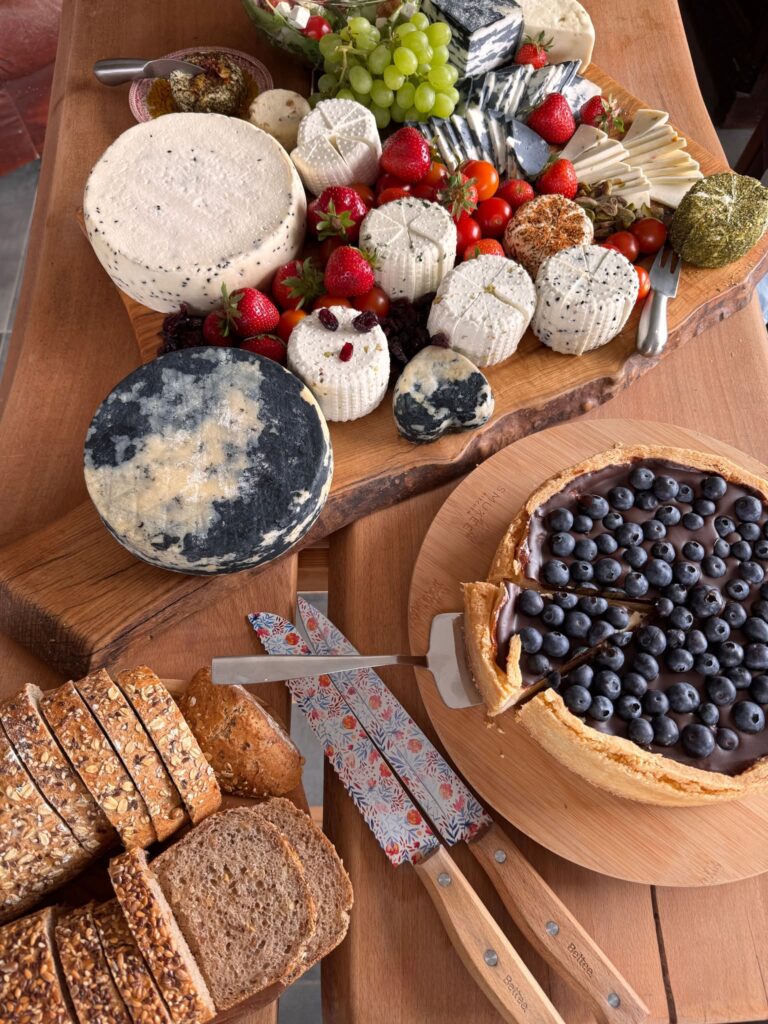
The table was laden with regional delicacies – from bread from Sztuka Chleba, concoctions from Kaszubskie Zioła, to honey-based desserts from Pasieka Miodlandia, sparkling drinks from the Tabun restaurant in Otomin, to delicious cold cuts from WitAnn, sourdough from Eko Elita, and cheeses from Makowa Koza and Radostowskie Rarytasy. There was also beautiful ceramics from Lepiej Ceramika and Genius Ceramika. How delicious and beautiful it all was!

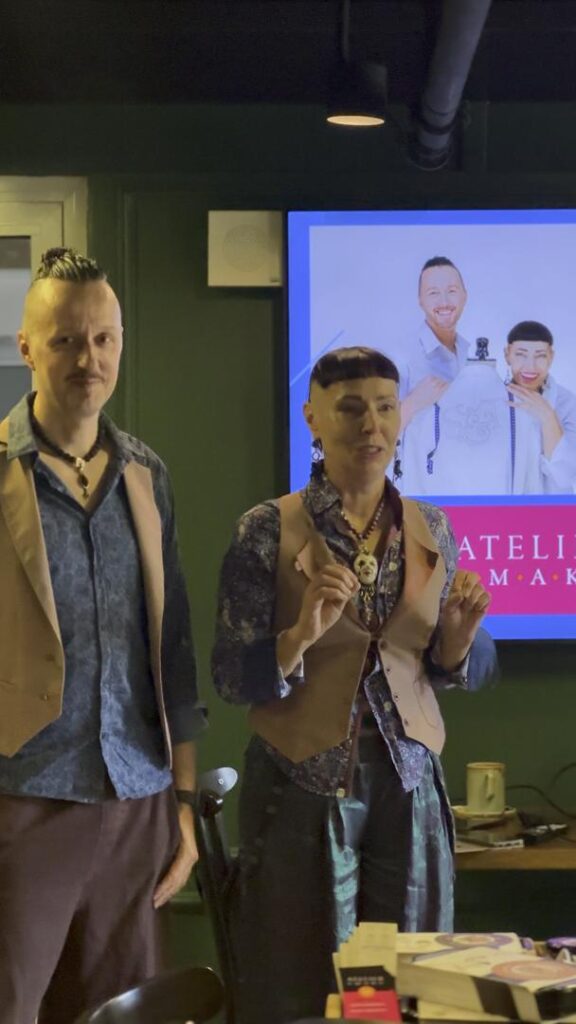
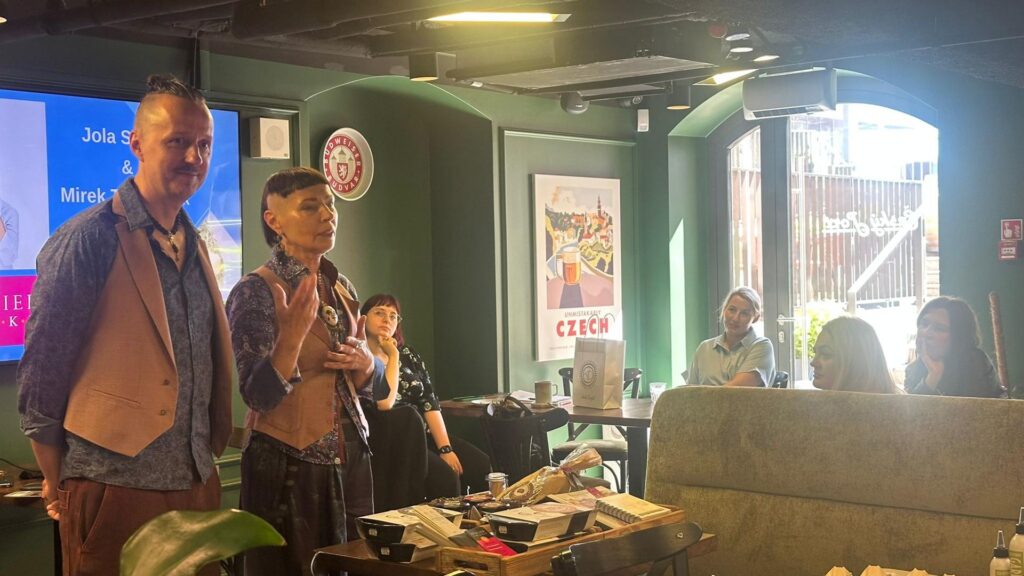
It was a morning full of conversation, inspiration, and new acquaintances. Guests could listen to informal lectures—Jola Słoma and Mirek Trymbulak from Atelier Smaku were the first to share their experiences. It was a story about gluten-free and vegan cuisine from the perspective of the hotel and catering industry. Marcin Popielarz, chef at renowned Pomorskie restaurants (Biały Królik at the Quadrille Hotel, Biôłi Trus at Leśny Dwór, and Hewelke), shared his experience in running a restaurant, the value of plant-based cuisine, and the idea of shortening the supply chain.

Our meetings are informal, which is important to us, without tension or pretension, so to lighten the atmosphere, we held a small competition among our partners, with a fragrant and pampering gift from Amber Dust as the prize.

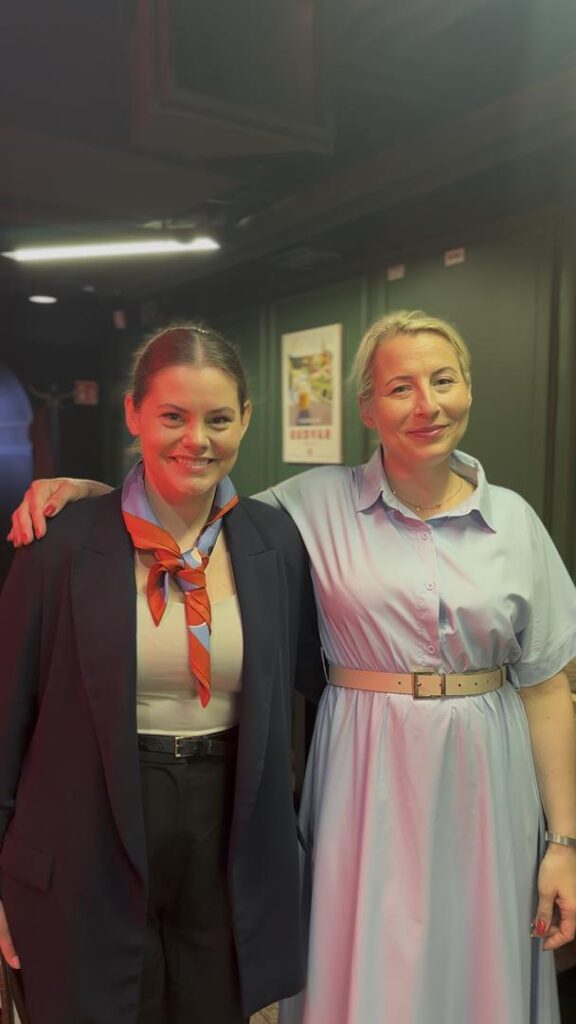
Such meetings are not only an opportunity to exchange experiences, but also to be together – at a time when live contact, a handshake, or a warm smile are worth their weight in gold. We would like to thank the Cesky Port Restaurant for organizing the event and all our partners for attending.

There will be more meetings like this – we cordially invite you to join the group of partners of the Pomorskie Prestige project! Together we can do more!

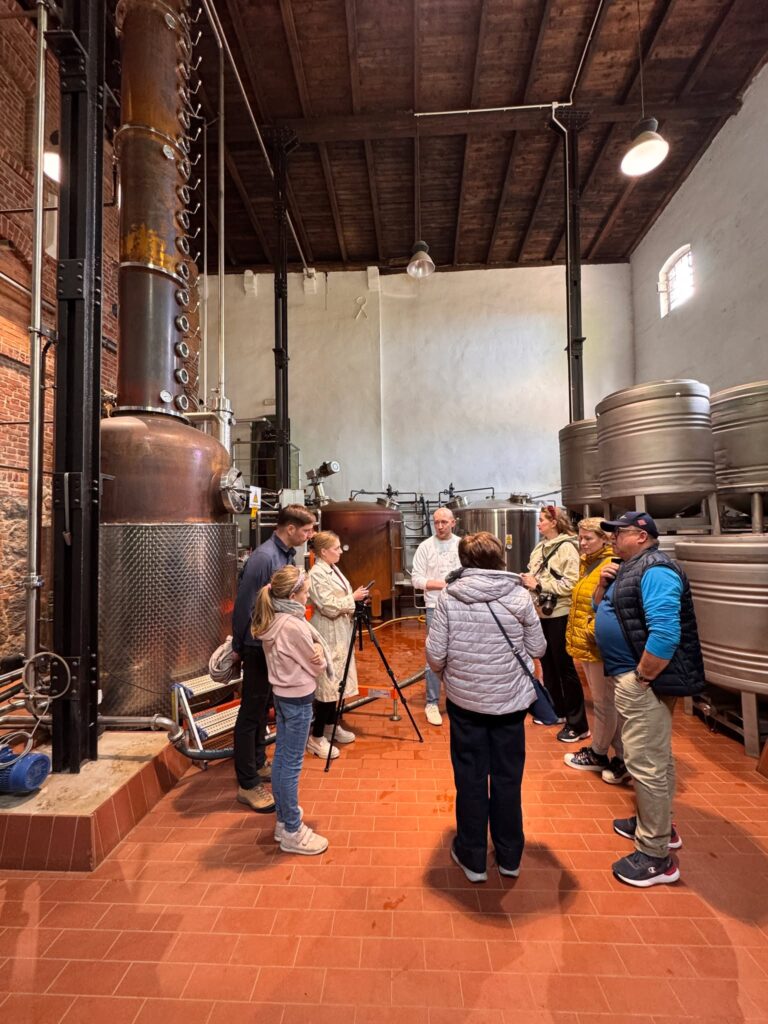
On May 12–14, 2025, the Pomorskie Tourist Board hosted journalists and tour operators from all over Poland, who had the opportunity to experience the region with all their senses – tasting, discovering, listening, and learning authentic stories of people who create culinary heritage. The purpose of the study visit was to present the offer developed as part of the Pomorskie Taste project. The event was organized by the Pomorskie Tourist Board as part of the BASCIL project, financed by the European Union from the Interreg Baltic Sea Region program.

The BASCIL project aims to develop culinary tourism services in rural areas of the Baltic Sea region and to increase the competitiveness of local food producers by diversifying their activities towards the tourism industry.

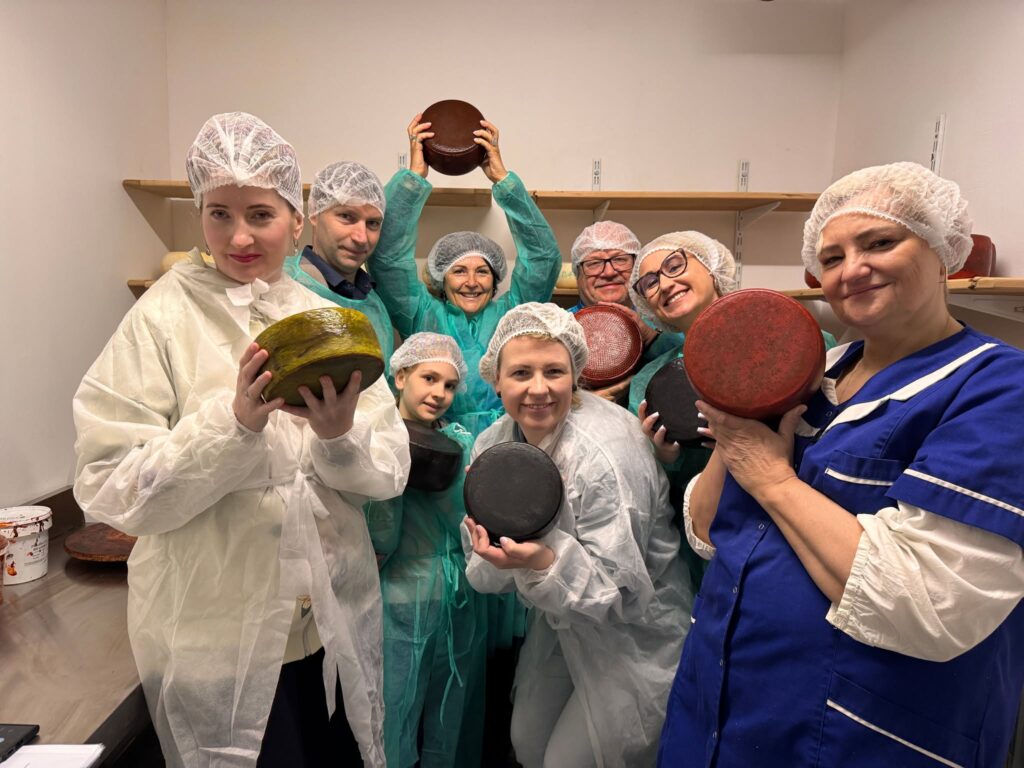
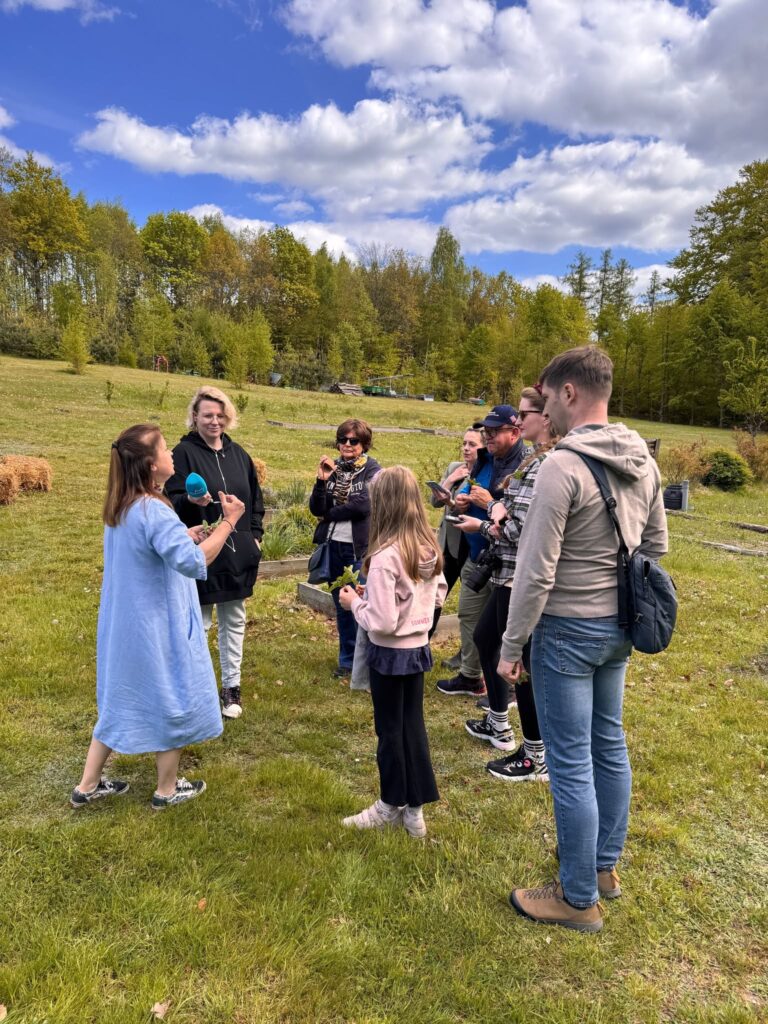
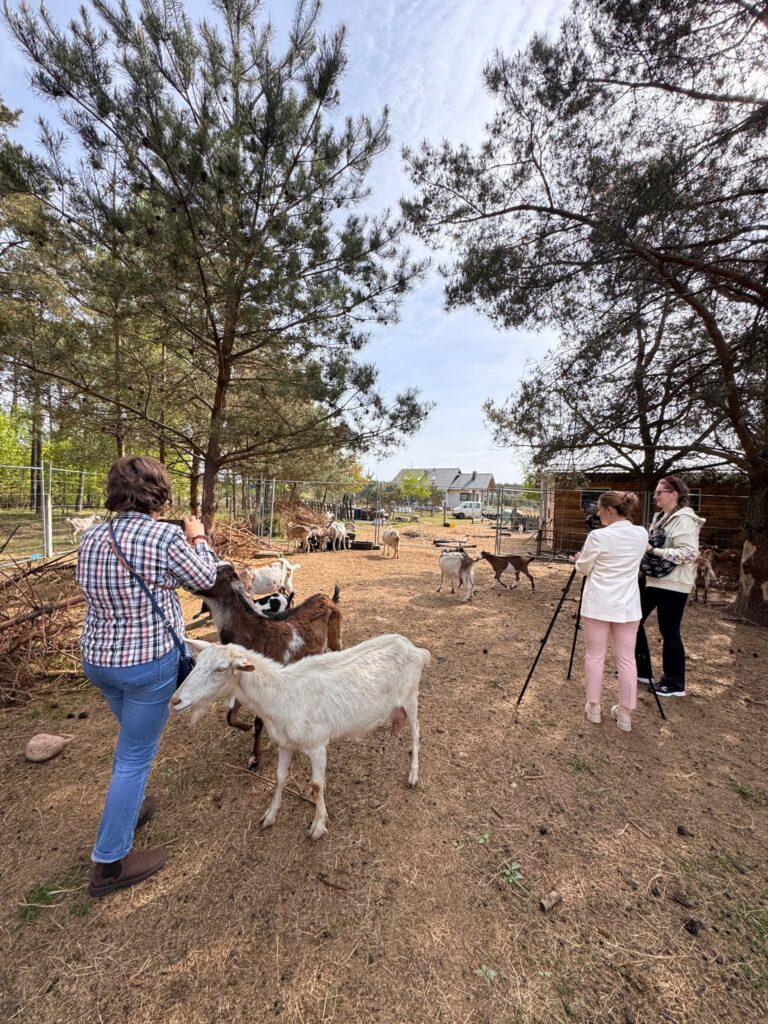
During the visit, participants immersed themselves in the culinary and cultural richness of the region, beginning their journey with cooking over an open fire in Chwastowe Pole. During culinary workshops, they learned about the properties of local herbs. The dishes prepared included cheeses from Podkówka Ser & Wełna. The guests also visited cheese farms such as Statkiewiczówka and Makowa Koza, places where artisan cheeses are made with passion, according to local recipes.

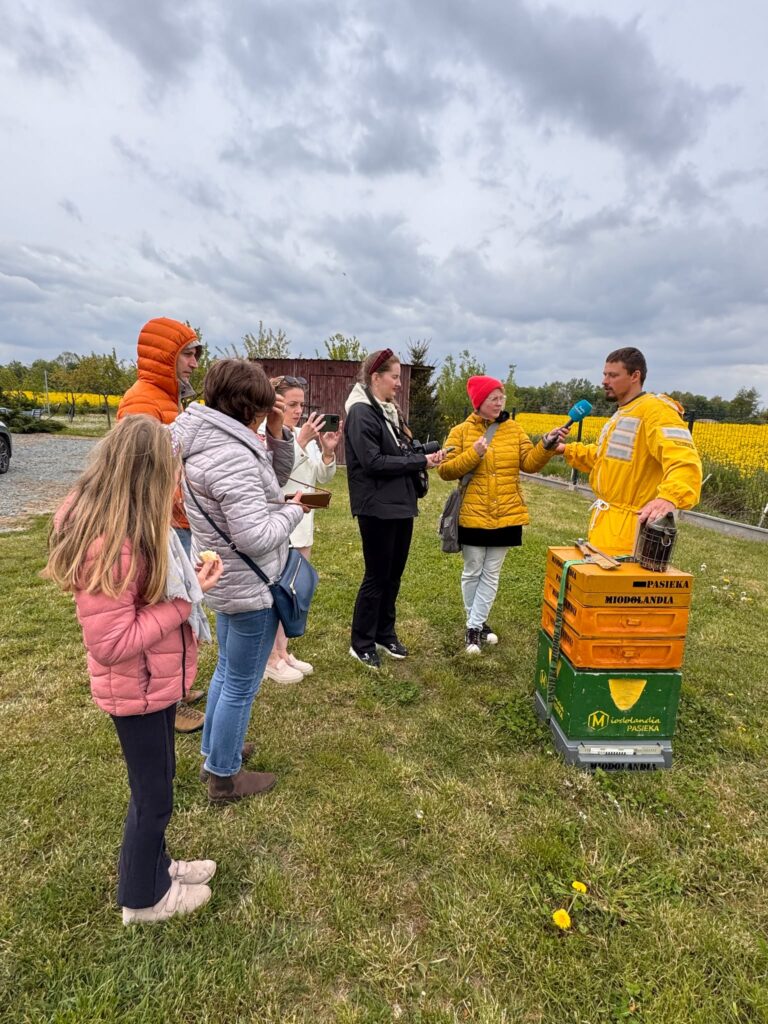
One of the stops on the route was the Miodolandia apiary, where participants had the opportunity to taste natural honeys and learn more about the role of bees and the importance of beekeeping for the local ecosystem. The program also included less typical activities – an expedition through the cranberry marshes, which is part of the Gościna Agritourism offer, and herbal workshops at Kaszubskie Zioła, during which participants tasted infusions and teas, and made their own herbal vinegars.

The entire event took place in an atmosphere of hospitality and culinary discoveries. In addition to learning about culinary tourism, participants visited the Smaki Kaszub restaurant on the Lipa Peninsula, where they also had the opportunity to cook with the chef, and Spiżarnia w Kratę in Swołowo, which serves dishes prepared with local ingredients, inspired by the traditional cuisine of the region. The culinary tour also included a visit to the Podole Wielkie Distillery, where guests learned about the process of making craft spirits, as well as Tabun, a place where the tradition of cider production is combined with a modern approach to gastronomy.

The visit culminated in a stay at unique accommodation facilities where guests could feel the spirit of the region – both at Zagroda Edukacyjna Swołowo, considered the capital of the Kraina w Kratę region, and at the atmospheric Stare Polaszki facility, combining regional tradition with comfort and contemporary style.

The event was attended by representatives of the media and the tourism industry, including Radio Gdańsk S.A., Dziennik Bałtycki, Nadmorska Grupa Medialna, Przegląd Gastronomiczny, Travel Projekt, and Miceart Poland DMC. Their presence will contribute to the widespread promotion of Pomorskie Taste both in the media and in tour operators’ offers.

During the visit, the participants were accompanied by representatives of the Pomorskie Tourist Board—director Łukasz Magrian and BASCIL project coordinator Magdalena Sokołowska—who supervised the implementation of the program and supported the guests in discovering the culinary potential of the region.

The Pomorskie Taste is not only an offer for culinary tourists, but also an inspiration for the further development of thematic tourism. We would like to thank all the hosts for their warm welcome and the participants for their active participation and commitment.

Currently, Pomorskie Taste includes several culinary tourism services. More information can be found on the following websites:

Pomorskie Prestige

Pomorskie Tours

Results of the study visit as part of the BASCIL project

On May 12–14, 2025, the Pomorskie Tourist Board conducted a study visit for journalists and tour operators, presenting the most interesting points of the Pomorskie Taste as part of the BASCIL project.

The event resulted in wide and varied media coverage. The following were produced:

• film material in the program “Region okiem kamery” (The Region Through the Camera Lens),

• publications on the Nadmorski24.pl and Kociewie24.pl websites,

• press reports in Dziennik Bałtycki and Przegląd Gastronomiczny,

• a series of broadcasts entitled “Gotuj się na weekend” (“Get Ready for the Weekend”) on Radio Gdańsk, including episodes devoted to, among others, Primitive Cooking, Kashubian Cranberries, Miodolandia, Chwastowe Pole, Statkiewiczówka, and local herbs,

• social media coverage, including dynamic videos and recordings published by Norda FM, among others.

We encourage you to familiarize yourself with these materials—they are the best proof of the reliable implementation of the project’s objectives and the effective promotion of regional culinary tourism.

  1. Norda FM videos – https://www.facebook.com/NordaFm/
  2. TV material – https://telewizjattm.pl/dzien/2025-05-15.html
  3. Article on the https://nadmorski24.pl/ portal – A culinary journey through the Pomorskie Province. Pomorskie Taste has been created
  4. Article on the https://kociewie24.pl/ portal – A culinary journey through the Pomorskie Province. Pomorskie Taste has been created
  5. The program “Region okiem kamery” (The region through the camera lens) – TV material – Twoja Telewizja Morska » Region Okiem Kamery
  6. Radio Gdańsk – the program “Gotuj się na weekend” (Get ready for the weekend) – Primitive cooking, Chwastowe Pole – “Primitive” cooking, or use what you have at hand
  7. Radio Gdańsk – Get Ready for the Weekend program – In the Footsteps of Kashubian Cranberries, Agroturystyka Gościna – In the Footsteps of Kashubian Cranberries in “Get Ready for the Weekend”
  8. Radio Gdańsk – Get Ready for the Weekend program – Kashubian herbs – It’s worth bending down to pick “weeds.” They are good for your health and… useful in the kitchen
  9. Radio Gdańsk – Get Ready for the Weekend program – Miodolandia – Pollen, honey, and other delicacies. A visit to the Miodolandia apiary
  10. Radio Gdańsk – Get Ready for the Weekend program – Statkiewiczówka – How are farm cheeses made? A visit to the cheese factory in Swołowo
  11. Dziennik Bałtycki – https://dziennikbaltycki.pl/glodni-regionalnych-smakow-na-kociewskich-szlakach-kulinarnych-i-nie-tylko-wybor-jest-niezwykle-szeroki/ar/c1p2-27637647
  12. PG Przegląd Gastronomiczny – Article “On the Pomorskie Taste” in the printed magazine Przegląd Gastronomiczny, pp. 8-10

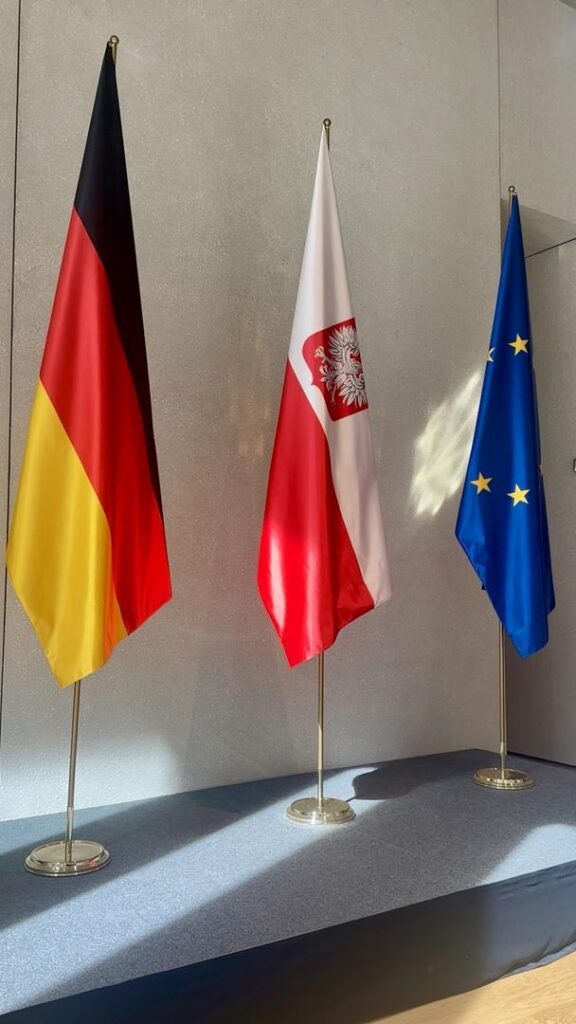
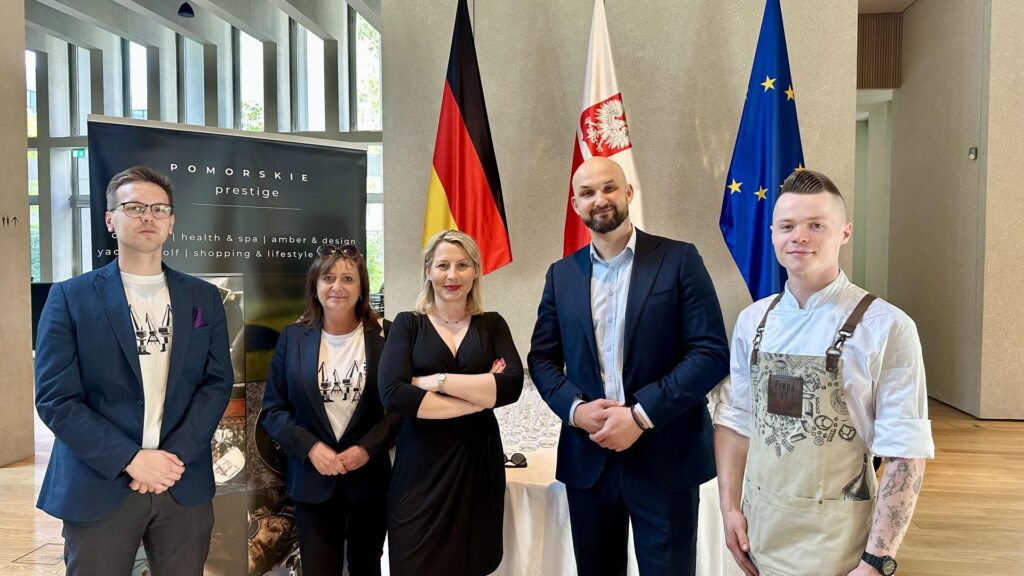
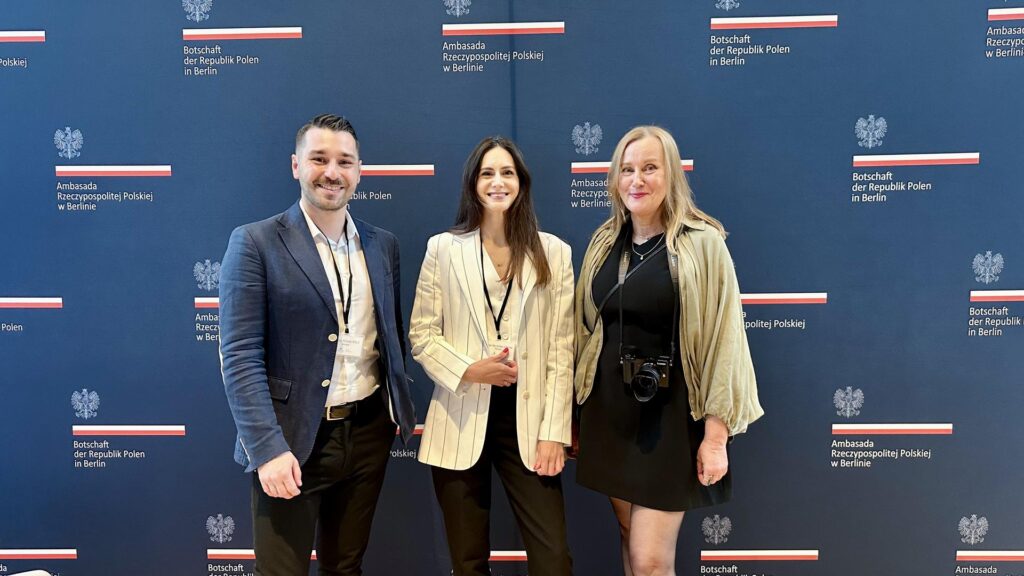
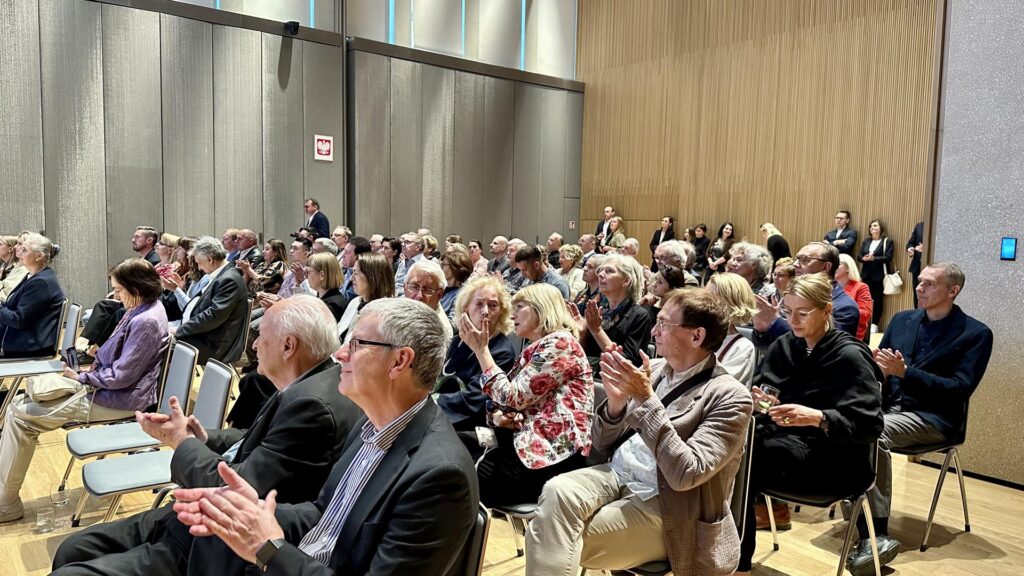
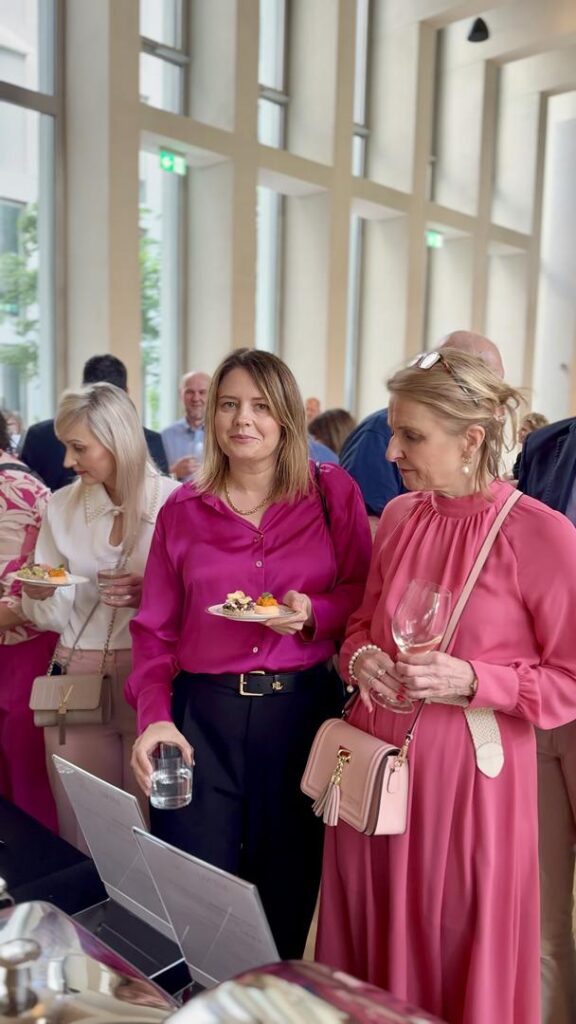
On May 21, we had the honor of promoting the rich flavors of pomorskie and establishing new business relationships during a unique event at the Polish Embassy in Berlin. The meeting brought together 70 German journalists and tour operators, who were eager to discover the culinary secrets of our region.

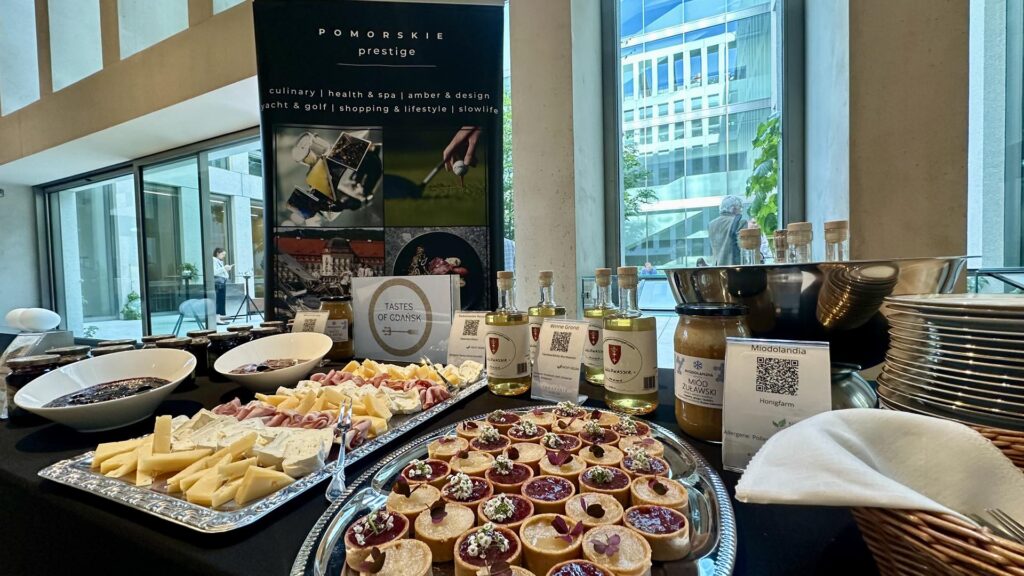
At the stand, prepared in cooperation with the Gdańsk Tourist Organization, local specialties awaited: honey from Pasieka Miodolandia, cheeses from Radostowskie Rarytasy, jams from Bory Tucholskie, cold cuts from the Winne Grono restaurant, and the famous Goldwasser with pieces of gold from the Gdańska Wytwórnia Historycznych Smaków. Each of these products attracted attention and encouraged conversations about the culinary traditions of pomorskie.

A special place in the program was reserved for the Piwna47 restaurant—a partner of the Pomorskie Prestige project, distinguished by the Michelin guide. Chef Alan Ławrynowicz delighted guests with a bouquet of pomorskie flavors: trout with green vegetables, marinated kohlrabi, herring, canapés with venison tartare, and tartlets with Kashubian strawberries for dessert. The guests’ reactions were extremely enthusiastic!

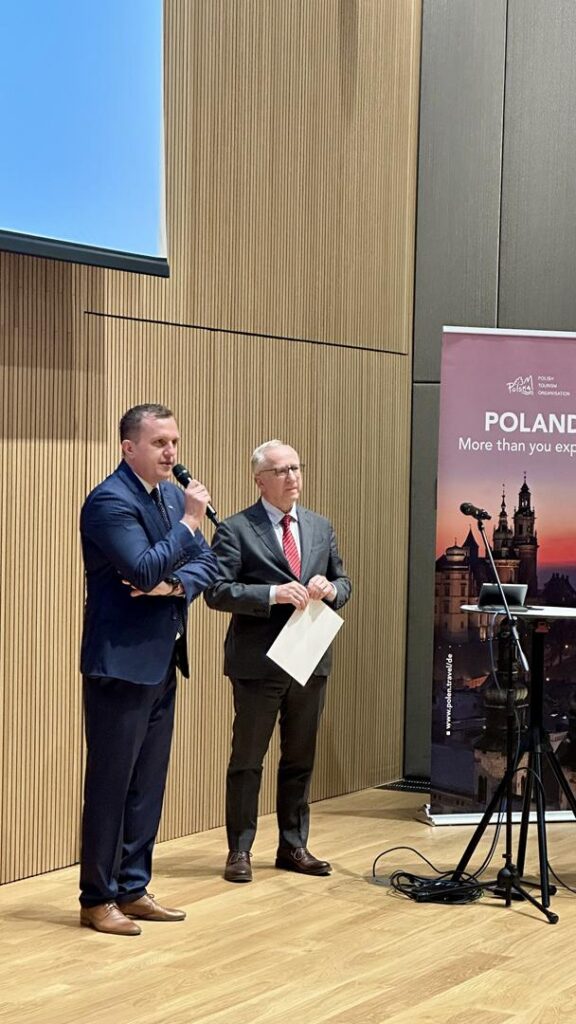
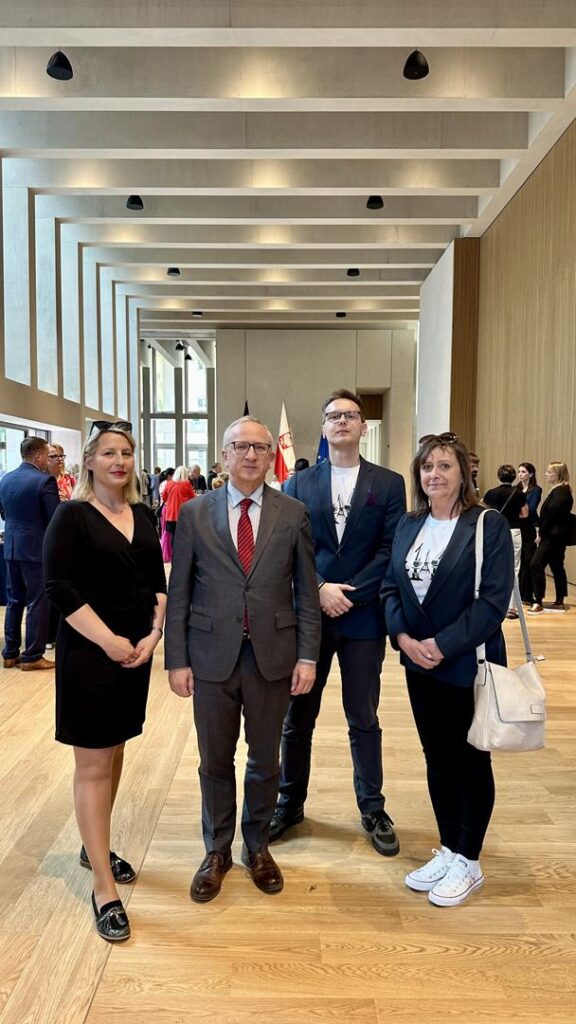
The event was opened by Jan Tombiński, Polish Ambassador to Berlin, together with Marcin Płachno, director of the Polish Tourist Organization’s Foreign Center. Małopolska also presented its culinary riches with the Szara Gęś restaurant from Krakow, serving, among other things, oscypek cheese mousse and cold soup.

Our guests could not leave empty-handed – everyone received gifts from the event partners. For our part, we showed off Gdańsk anchovies from the Gryfon Restaurant and Kashubian strawberry jam from Leśny Dwór. Let the goodness of pomorskie flavors spread throughout the world!