Skip to page content Go to menu Go to the help menu
Search engine:

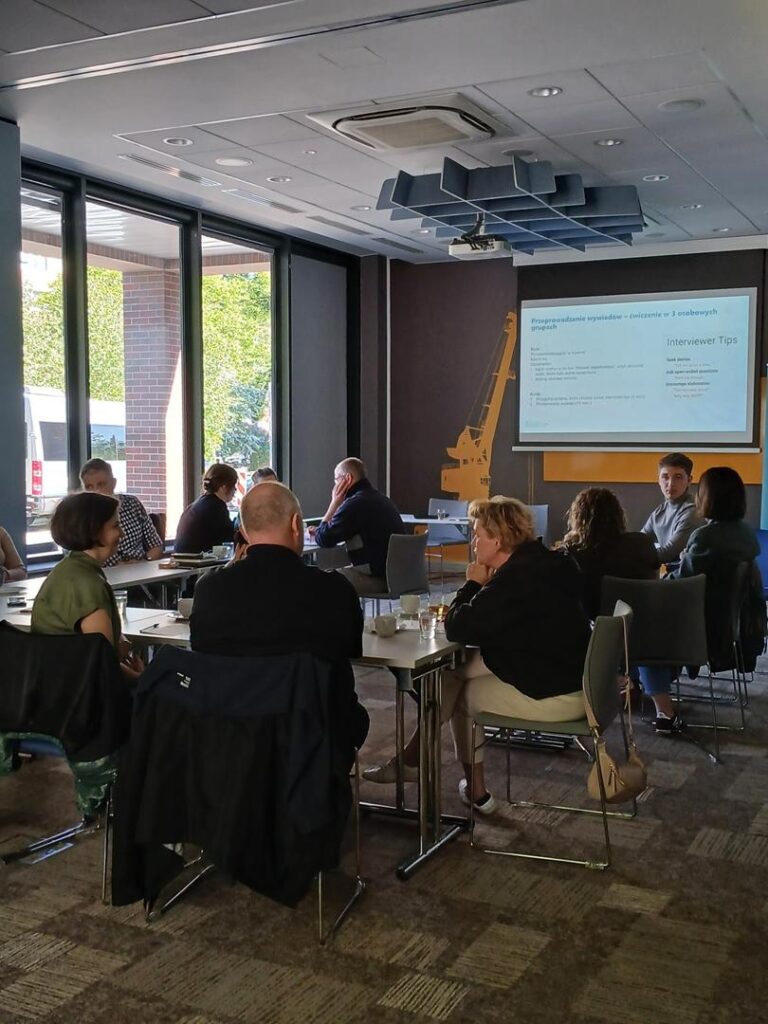
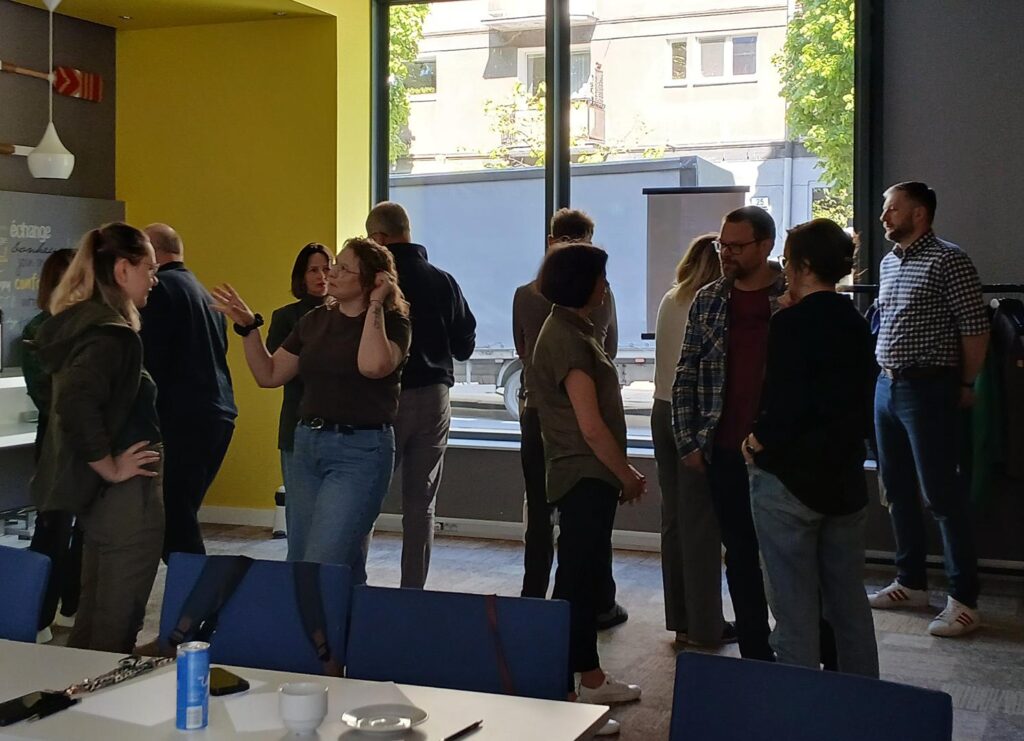
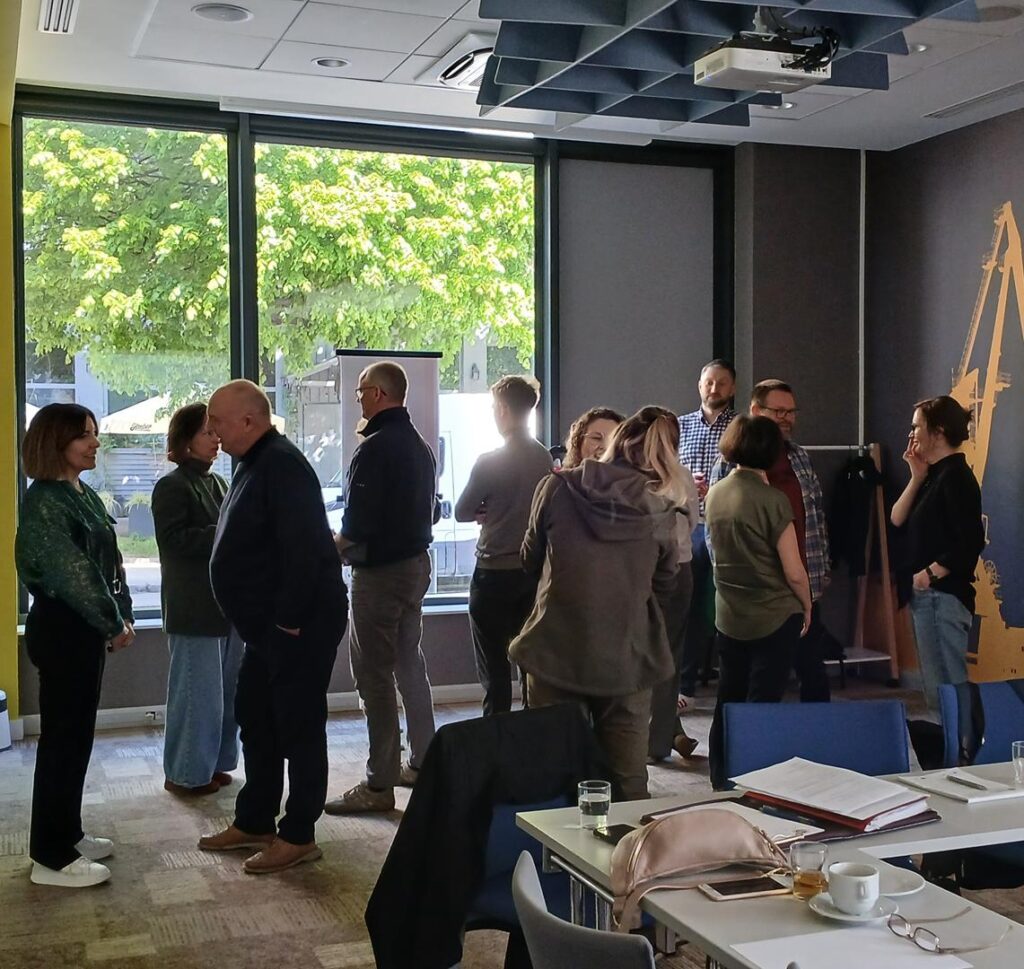
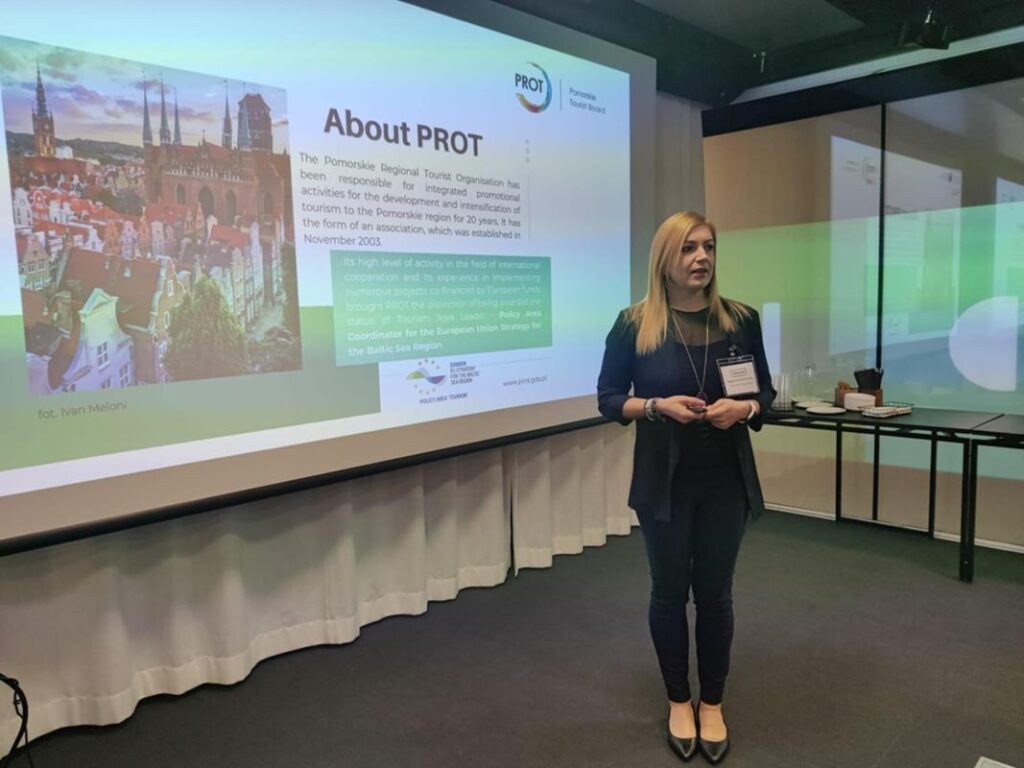
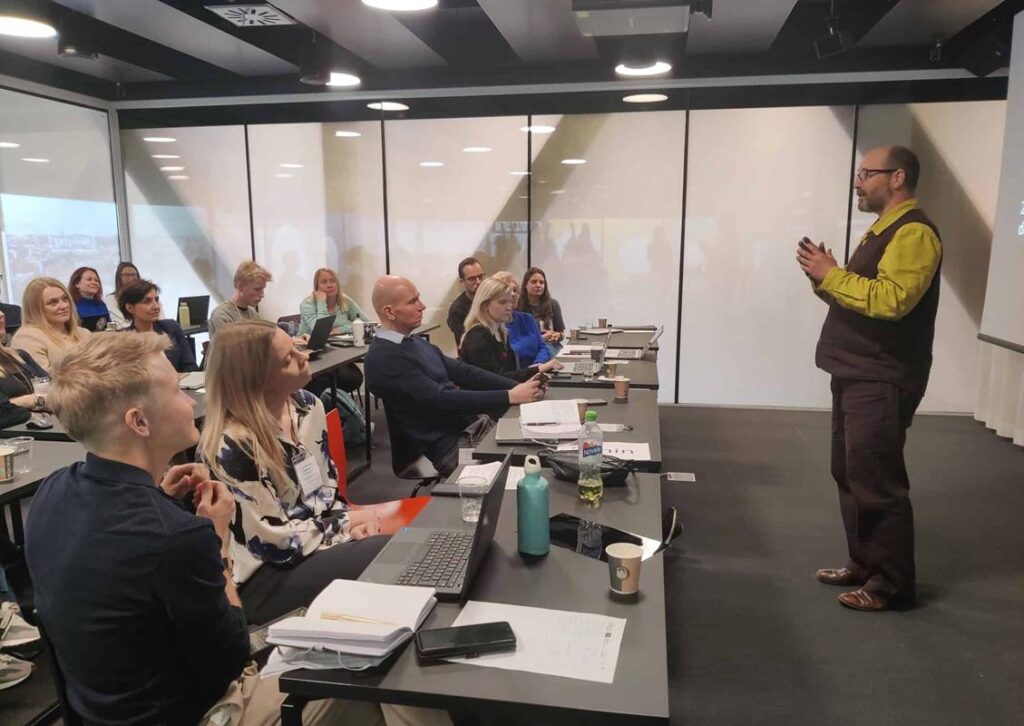
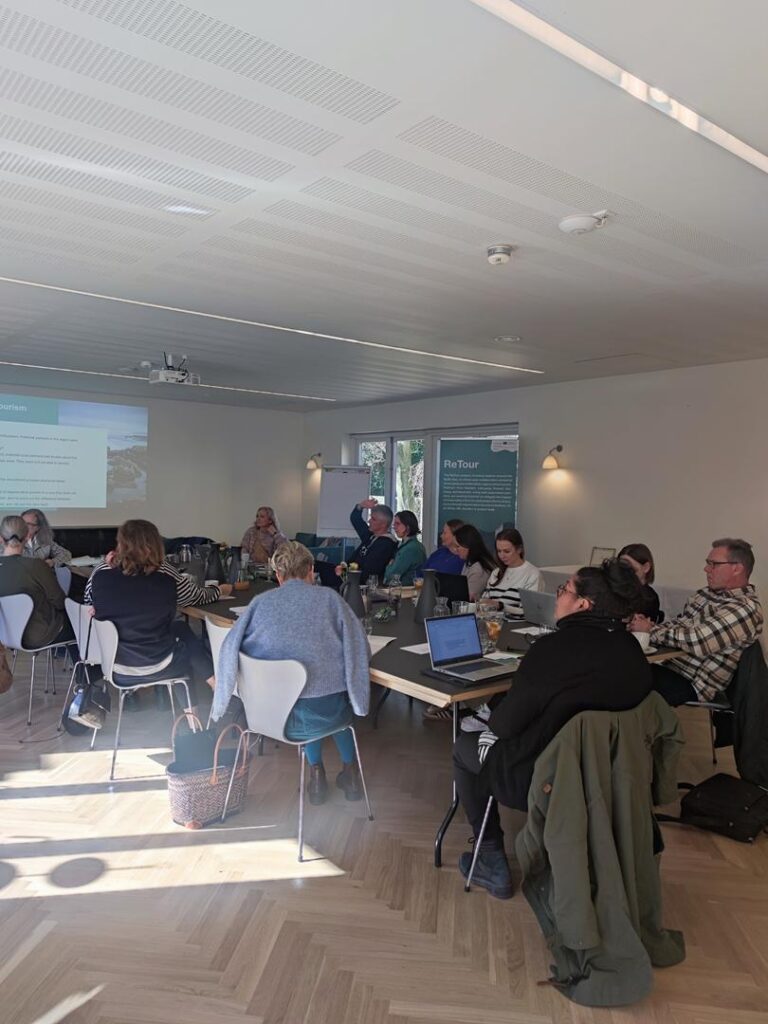
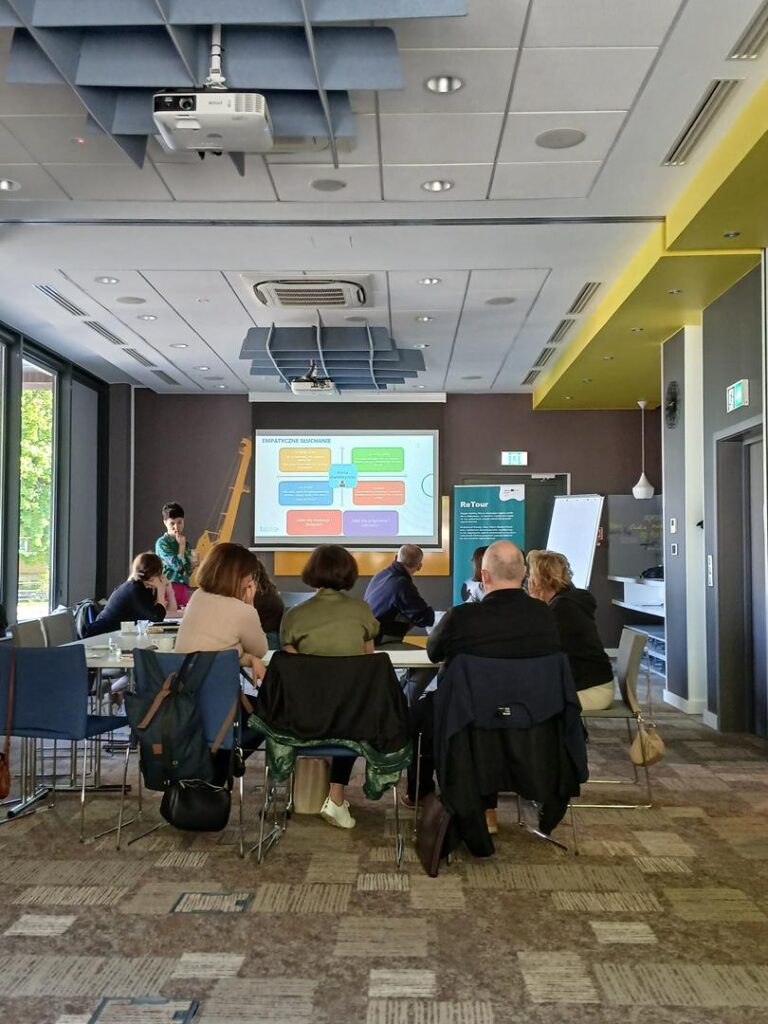
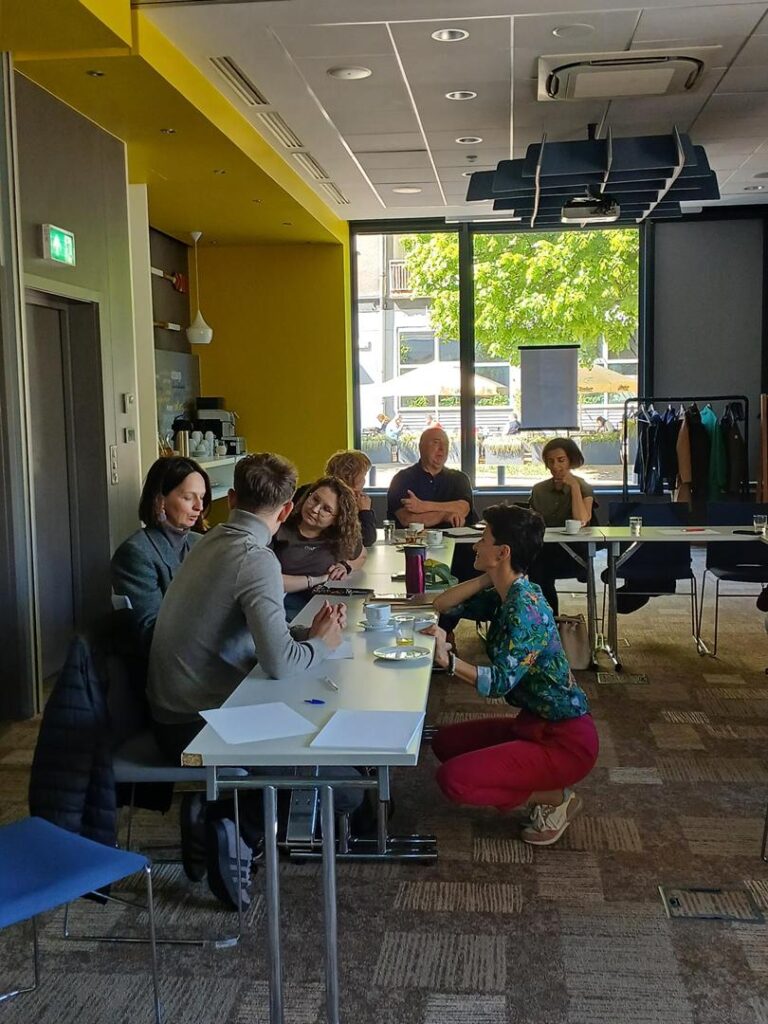
On May 12, Gdańsk hosted a workshop organized by the Pomorskie Tourist Board as part of the project entitled Regenerative Tourism (ReTour) – developing a new approach that accelerates positive changes in tourism, local communities, nature, and culture in the South Baltic region. The event brought together representatives of the local tourism industry, who jointly began work on a new approach to tourism development based on the principles of regenerativity.

Joint discovery of a new direction

During the workshops, participants explored together what regenerative tourism is and how it can respond to contemporary challenges — not only by minimizing negative impacts, but also by actively supporting local communities, the economy, and the environment.

In a relaxed and businesslike atmosphere, participants:

– learned to look at their activities from a new perspective,

– sought out the “note of regenerativity” in their initiatives

– exchanged experiences and values that are important to them in their work with tourists.

Practical approach and co-creation

The workshops also allowed participants to focus on the needs of their audience. Participants:

– designed research tools to help better understand customer expectations,

– worked on empathy maps, analyzing the behaviors, values, and motivations of different audience groups,

– considered solutions rooted in the local context and accessible to different groups of visitors.

Inspiration and the beginning of change

The workshops showed that local tourism has the potential to become a driver of positive change – economic, social, and environmental. We hope that the meeting provided participants with an inspiring dose of knowledge and encouraged them to take further action.

This is just the beginning…

ReTour is a process that has a real chance to change the future of tourism in Pomerania. The project focuses on education, cooperation, and practical support in building tourism that not only welcomes guests but also supports and renews.

We would like to thank all participants for their energy, openness, and commitment. Follow the next stages of the project — together we want to shape a more conscious and responsible future for tourism.
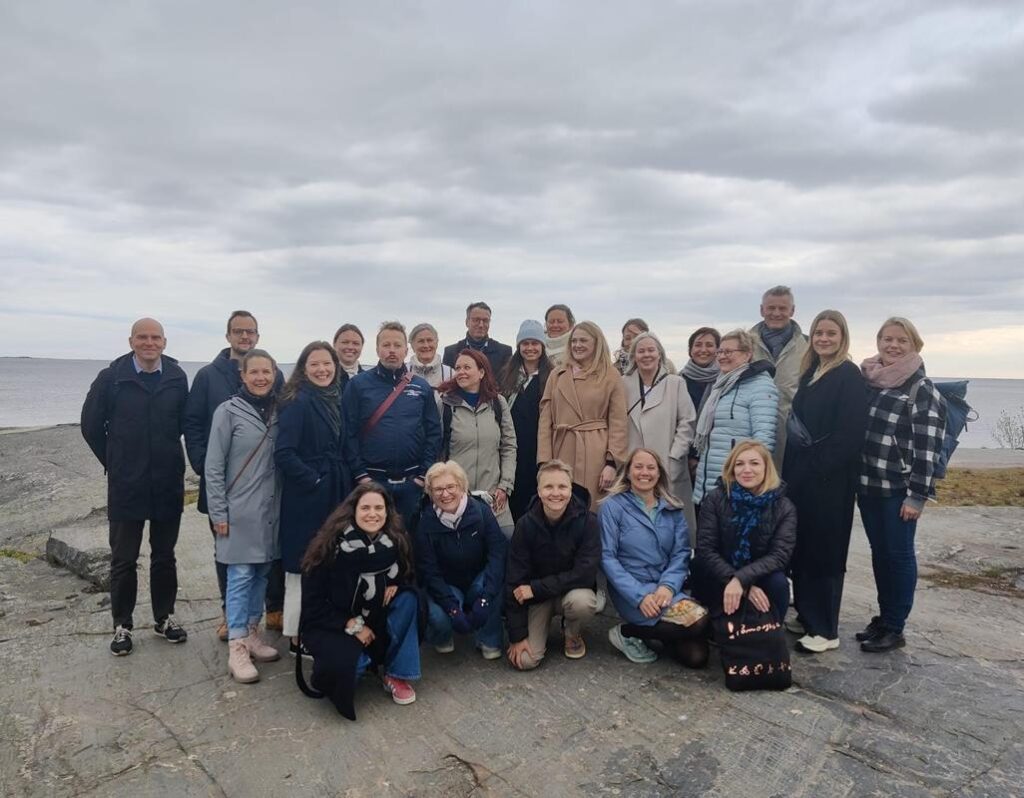
On May 7–9, 2025, the inaugural meeting of the Climate Neutral Destinations (CliNeDest) project took place in Helsinki. Representatives of eight destinations in the Baltic Sea region began working together to transform tourism toward climate neutrality.

???? Why is this important?

Tourism accounts for a significant portion of global emissions—as much as 50% of its carbon footprint comes from transportation. At the same time, there is a growing demand for sustainable forms of travel. CliNeDest is the answer to both of these challenges.

As part of the project:

    • we support local SMEs in creating climate-friendly offers,
    • we develop a network of Climate Neutral Destinations,
    • we create training programs for tourism organizations.

The meeting in Helsinki allowed the partners not only to exchange experiences, but also to build a common vision for action. An inspiring part of the program was a lecture by Ed Gillespie, author of the book “Only Planet – a flight-free adventure around the world,” who shared his story of traveling around the world without using an airplane. His message? Let’s have the courage to make changes and inspire others to think outside the box.

CliNeDest is more than just a project. It is a joint step towards more conscious, resilient, and responsible tourism. We want not only to change our regions, but also to inspire others to take action.
CliNeDest Logo Standard large

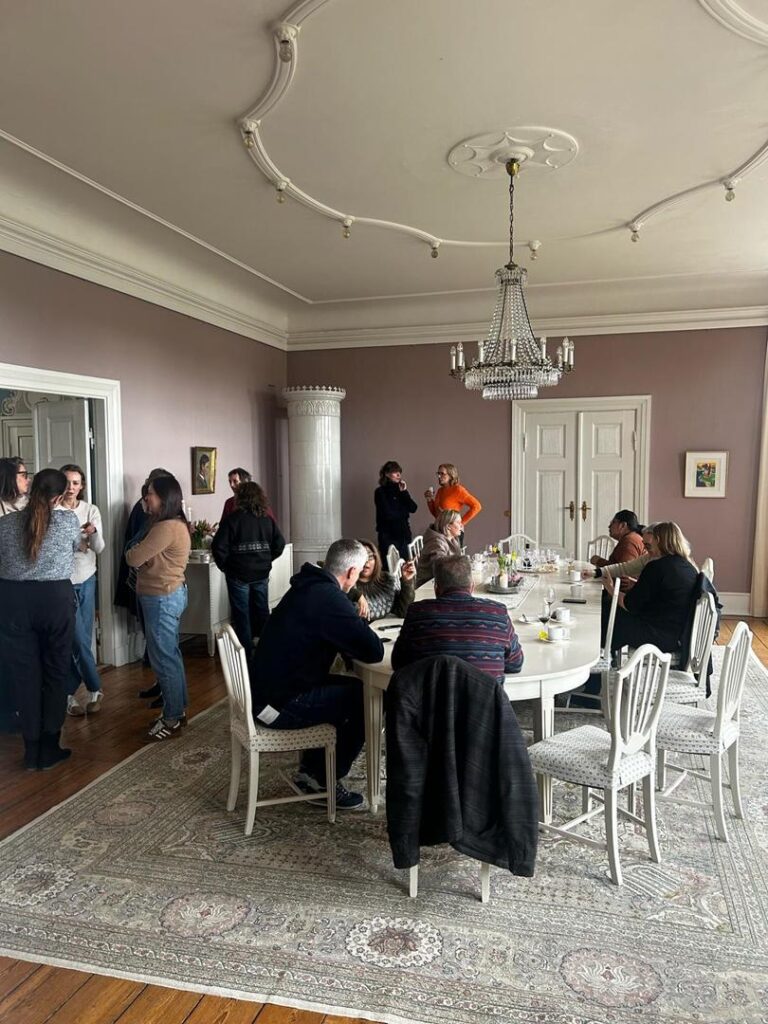
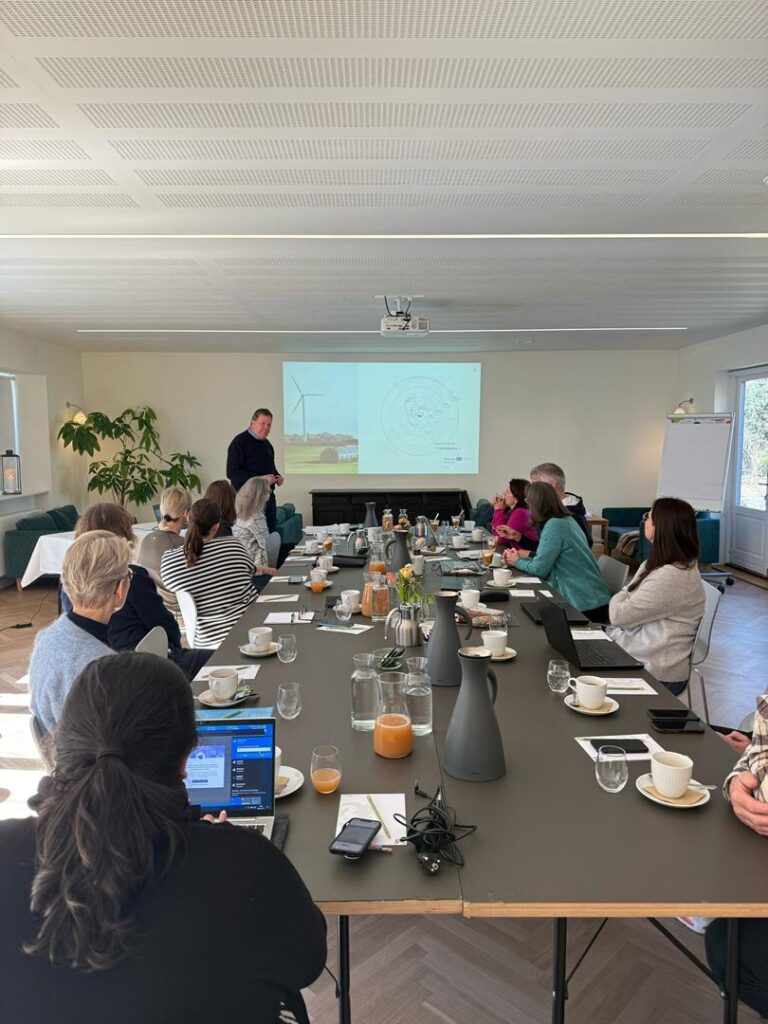
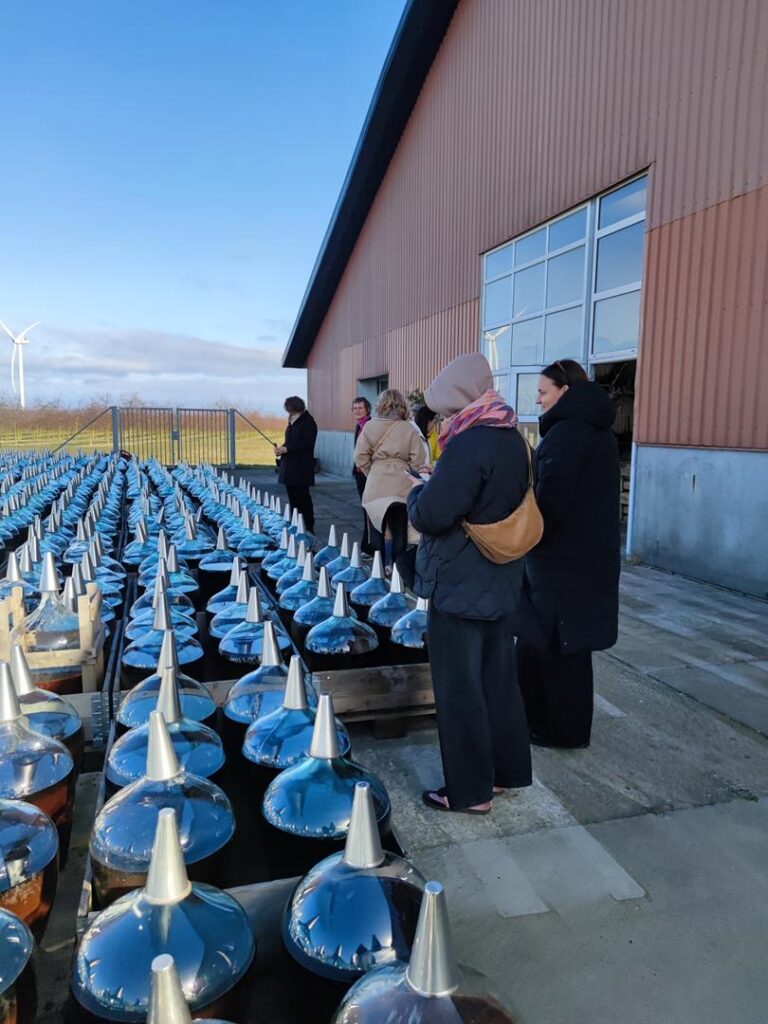
The picturesque region of Lolland-Falster in Denmark hosted another project meeting as part of the international ReTour project, which focuses on developing the concept of regenerative tourism in the South Baltic region (March 17-19, 2025).

Collaboration, exchange of experiences, and inspiration

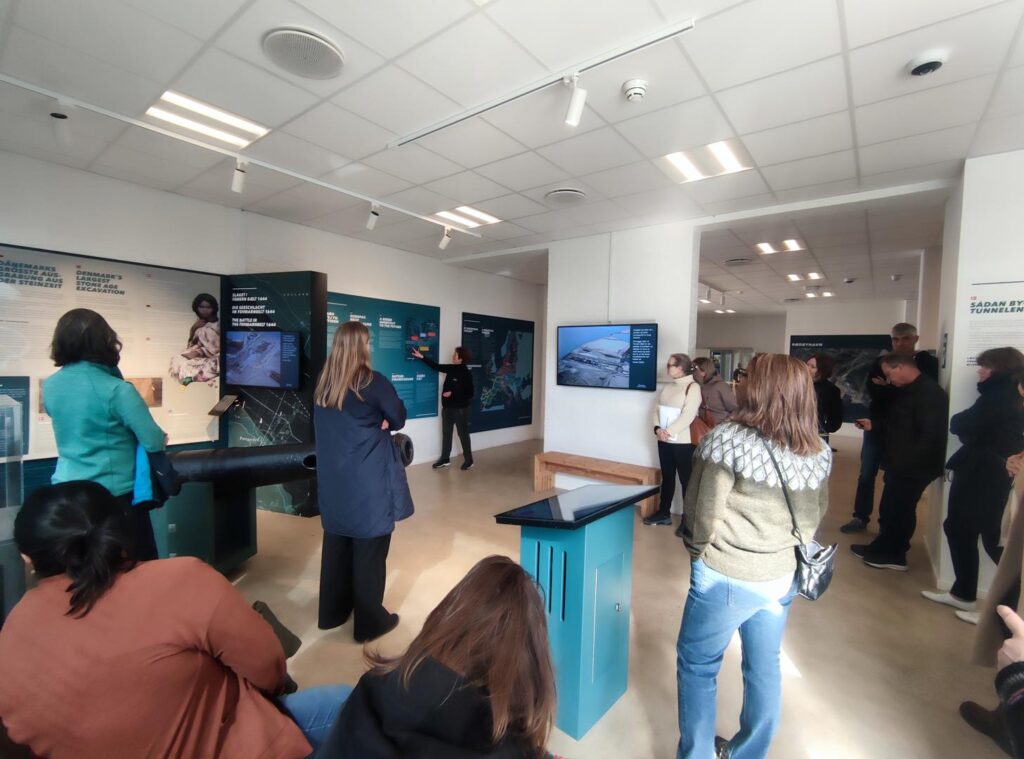
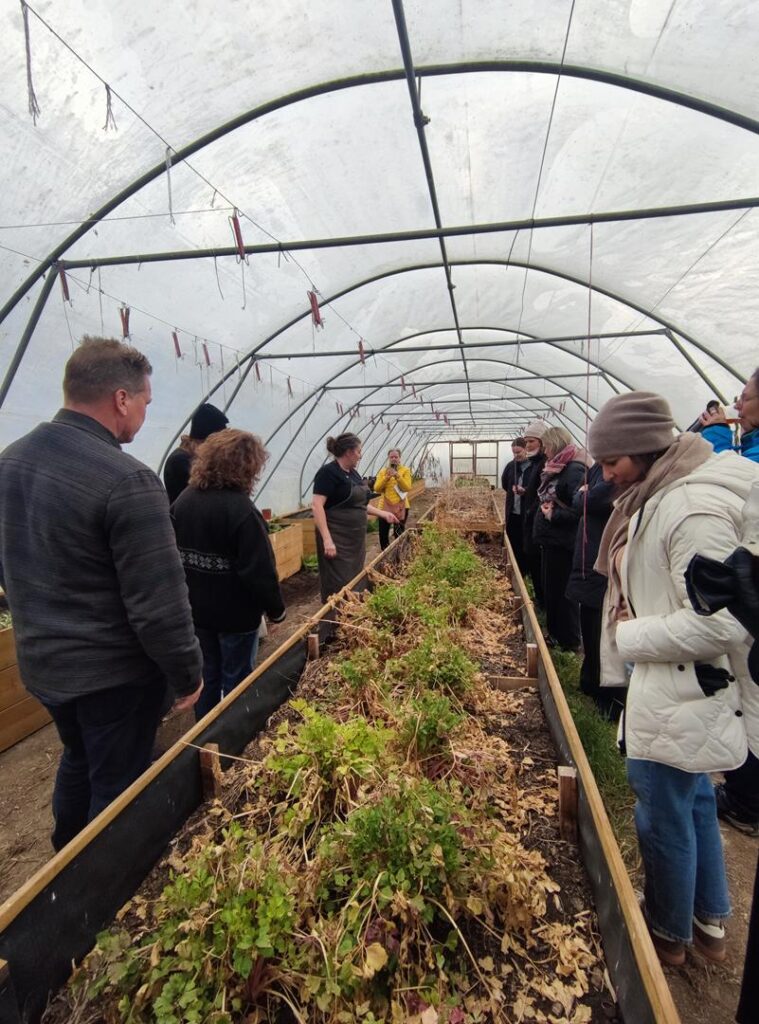
Project partners from Poland, Denmark, Lithuania, Germany, and Sweden met to share experiences, develop innovative ideas, and learn about local initiatives that could become models for a regenerative approach to tourism. We visited, among others, Femern A/S—an infrastructure project of great cross-border significance—and Frederiksdal—an example of a place with the potential to create a tourist offer that respects nature and local traditions.
The meetings and study visits provided a better understanding of how the regenerative approach can be implemented in practice, in a way that is tailored to the specific conditions and needs of a given place.

What is regenerative tourism?

Regenerative tourism is an approach that not only protects tourist destinations, but actively renews and strengthens them. It works for the benefit of local communities, nature and the landscape, and cultural heritage.

It is a change in mindset, where tourism ceases to be solely about consumption and becomes a joint effort for the good of the place and its people. The goal is to create experiences that enrich both visitors and the places they visit.

What are we doing as part of ReTour?

The project covers four main areas of work:

Study visits and cooperation with stakeholders – partners analyze good practices and develop common methods of action.

Testing offers – each region tests in practice which ideas and tourism products work locally.

Positioning regenerative places – promotional activities and guidelines are prepared on how to present places offering value-based tourism.

Dissemination of solutions – a guide, a set of tools, and a joint action plan will be developed to help implement regenerative tourism in other regions.

The ReTour project is implemented as part of the Interreg South Baltic 2021–2027 program.

We invite you to follow the development of the ReTour project.

As part of the CliNeDest. Climate Neutral Destinations project, a webinar entitled “Global criteria and certification of sustainable tourism” was held on May 6, 2025.

During the meeting, participants had the opportunity to learn, among other things:

    • what are the applicable international criteria for hotels, attractions, events, and tourist destinations,
    • how the available certification programs differ and what are the costs of their implementation,
    • what indicators, rankings, awards, and certificates related to sustainable development exist,
    • how to choose the best certification program for your organization.

A recording of the webinar is available here: https://www.youtube.com/watch?v=Chlm2S_m5tc

Host: Anula Galewska – international expert at the Global Sustainable Tourism Council (GSTC) and co-founder of Travinda.

The webinar was organized as part of the CliNeDest project, funded by the European Union under the Interreg Baltic Sea Region Program 2021–2027.

More information about the CliNeDest project:

CliNeDest Logo Standard large

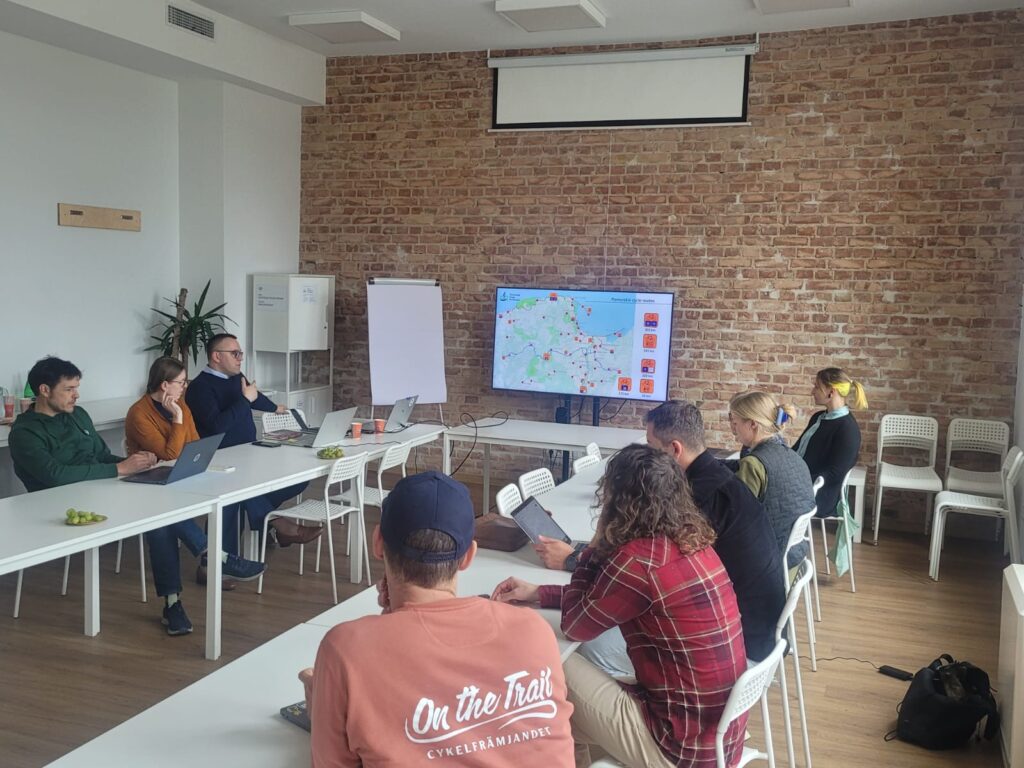
The final meeting of the partners of the Bike Across the Baltic (BAB) project, co-financed by the Interreg Baltic Sea Region Program, took place in Gdańsk on April 9–10, 2025. Partners from across the Baltic Sea region met to summarize the results of the project, discuss recent activities, and explore opportunities for further cooperation in the field of cycling tourism and mobility. The meeting was hosted by the Pomorskie Tourist Board.

Internal discussions and planning

On Wednesday morning, April 9, the partners gathered at the Dolna Brama Center in Gdańsk for an internal session. The meeting was devoted to evaluating the results of the BAB project, planning the final activities, and discussing the sustainability of the results after the end of the project. Key topics included the preparation of the final report, dissemination activities, and maintaining the cross-border cooperation developed within the project. The partners also discussed strategies for further promoting cycling tourism in the Baltic Sea region, using the experience and tools developed within BAB.

Meeting with external guests

After a networking lunch at the Almond Hotel restaurant, the meeting was opened to external guests to broaden the perspective on the promotion of cycling and the development of tourism.

Magdalena Szymańska, representing both the City of Gdańsk and the Velo-City 2025 Steering Committee, presented the highly successful Bicycle May campaign. This initiative encourages students and their families to commute to school and work by bicycle on a daily basis through a month-long competition with attractive prizes. The campaign, which began in Gdańsk, has been successfully adapted in many cities across Poland, showing how local actions can develop into nationwide initiatives. Szymańska also presented the current state of preparations for the Velo-City 2025 conference, which Gdańsk will co-organize. She emphasized the importance of presenting the bicycle as a tool for sustainable urban development, tourism, and climate action, inviting BAB partners to contribute to the event program.

Paweł Bober from Stena Line presented the company’s growing commitment to the development of bicycle tourism. He discussed how Stena Line is adapting its ferry services to the needs of cyclists by introducing transport facilities and travel offers specially designed for people traveling by bicycle. This is part of a broader trend of supporting active and sustainable tourism on ferry routes in the Baltic Sea region.

Finally, Sebastian Małyszczyk from Poland By Locals discussed a practical approach to the development of cycling tourism from a tour operator’s perspective. He highlighted the importance of authentic local experiences, tailored routes, and high-quality infrastructure in building attractive cycling tourism offers, especially in lesser-known locations.

The afternoon session ended with informal networking, after which the partners met for a dinner at the Piwna 47 restaurant in downtown Gdańsk.

Discovering Pomerania’s cycling routes

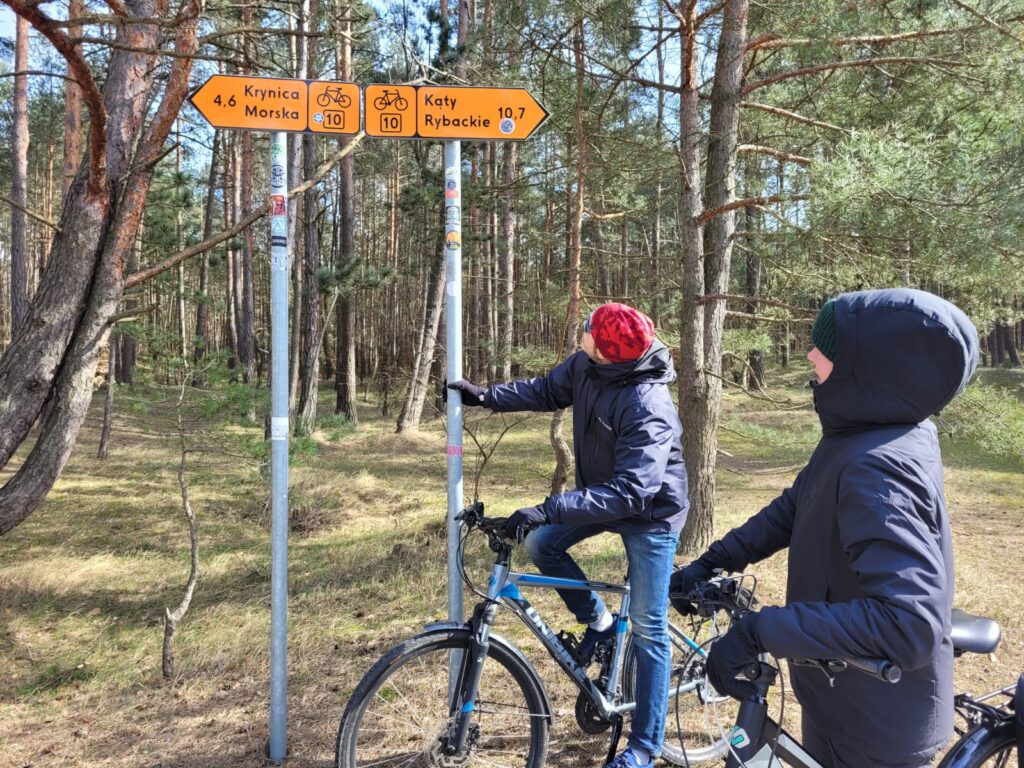
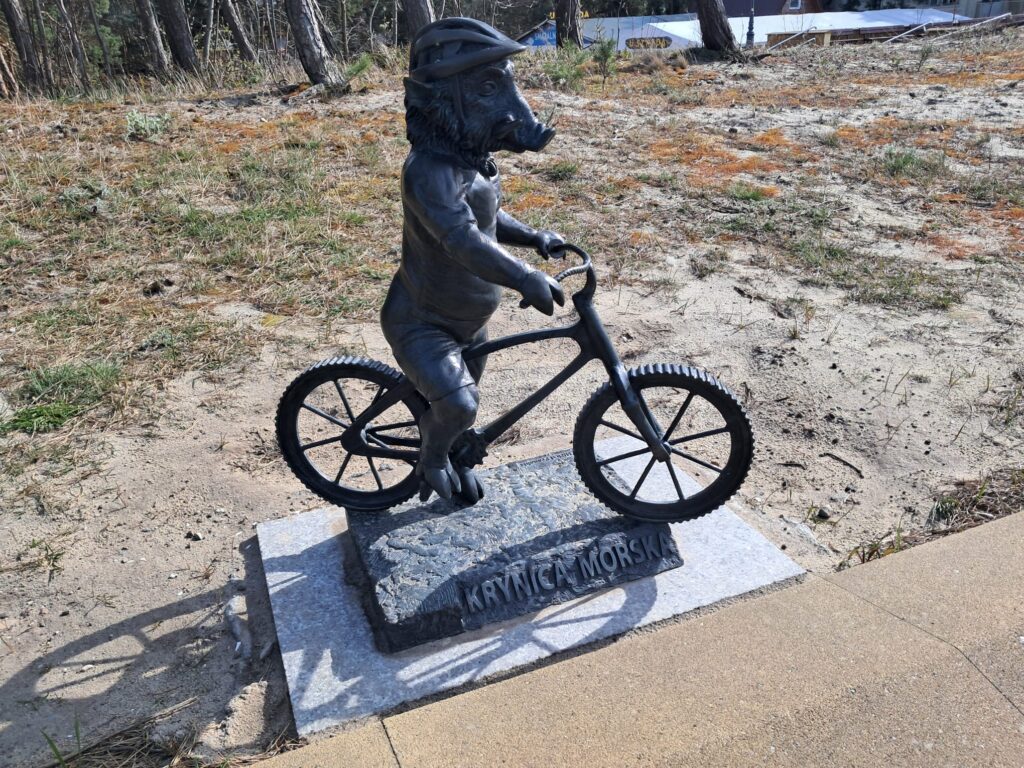
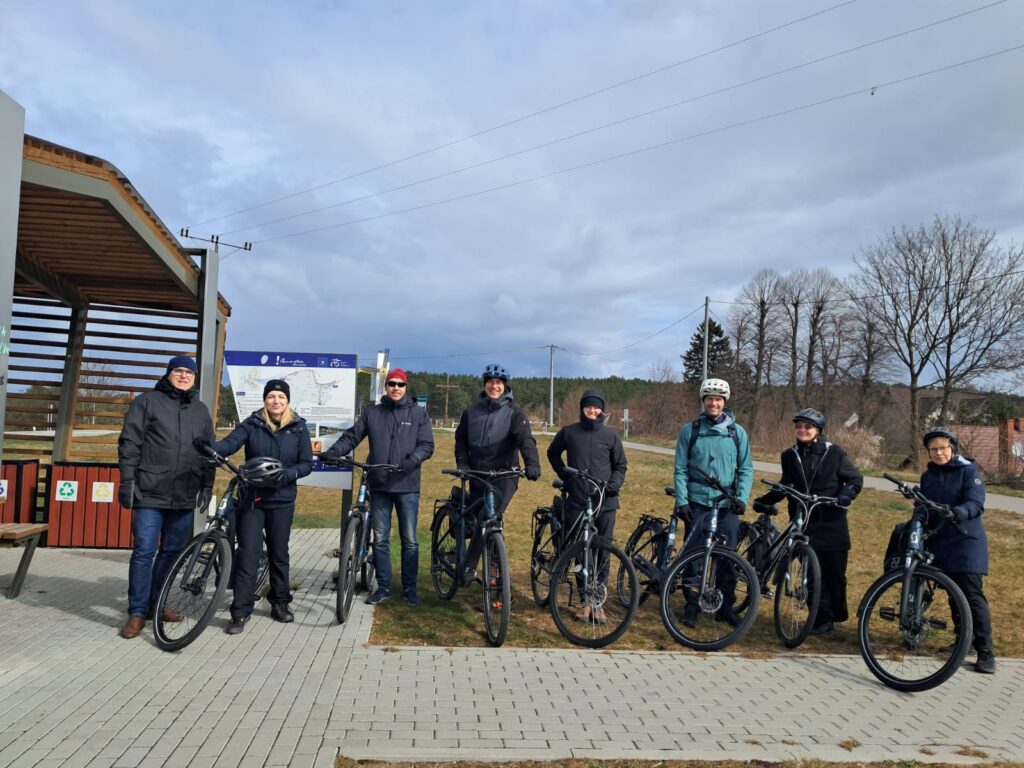
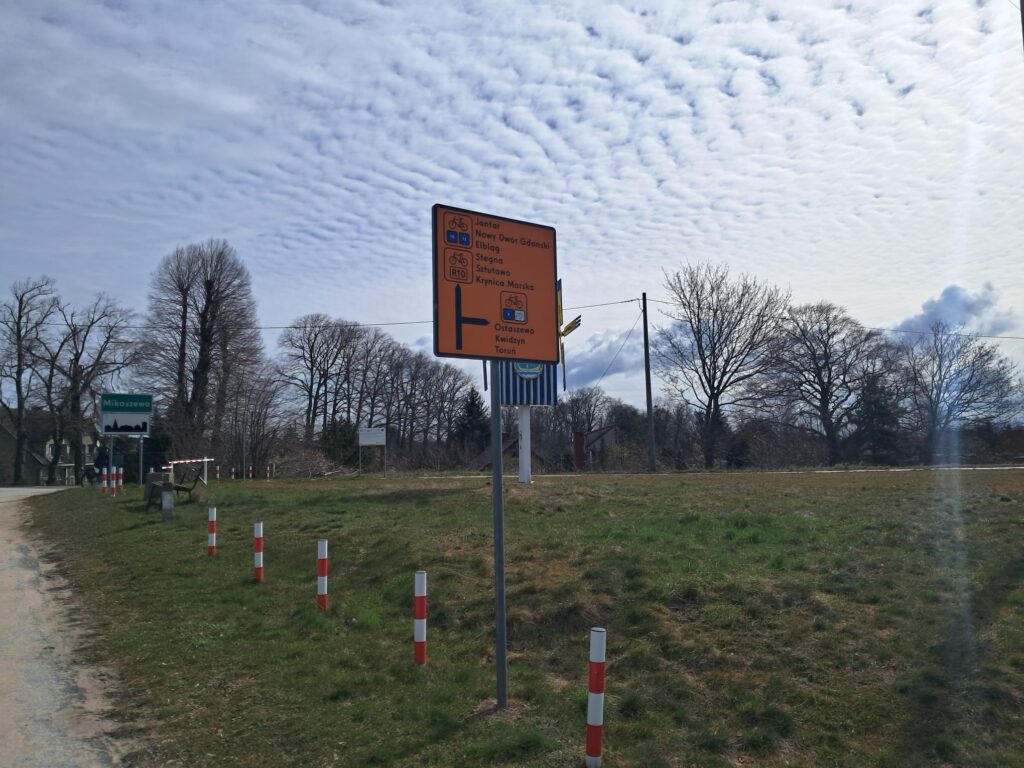
On Thursday, April 10, participants had the opportunity to explore one of the most picturesque cycling routes in the region. The group gathered at Brama Wyżynna and took a bus to Mikoszewo, where they began a 40-kilometer trip along the Vistula Spit.

The event, organized in cooperation with Poland By Locals, presented various elements of cycling infrastructure, such as road surfaces, signage, and parking spaces. During the tour, participants visited the following points:

    • Beach in Stegna – a popular seaside resort,
    • Sztutowo – a stop in front of the Stutthof Museum,
    • the Vistula Lagoon Museum in Kąty Rybackie,
    • the Canal through the Vistula Spit – an impressive engineering project.

The ride showed how natural landscapes, historical heritage, and well-developed infrastructure can create attractive cycling tourism products. During the trip, the challenges of maintaining routes, signage, and integrating local services that support the cycling experience were also discussed.

Summary

The final partner meeting in Gdańsk was a valuable opportunity to summarize the achievements of the Bike Across the Baltic project, strengthen the cooperation network, and exchange good practices with external stakeholders. With the end of the project, the strong partnership that has been established during its course provides a solid foundation for further initiatives supporting cycling tourism and sustainable travel in the Baltic Sea region.

The recording of our webinar with Marta Mills, organized as part of the CliNeDest. Climate Neutral Destinations project, is now available online!

The webinar focused on a key question: can tourism survive in a changing climate? We discussed what actions can be taken now to protect the industry and adapt to new challenges. This meeting was not only a reflection, but also provided specific tips and inspiring examples from Poland and around the world on sustainable and climate-resilient tourism development.

???? The recording of the webinar is available here: https://youtu.be/J-MgS1KY_ek

???? Results of the interactive Menti survey we conducted during the meeting: Download

The webinar was organized as part of the CliNeDest project, funded by the European Union under the Interreg Baltic Sea Region Program 2021–2027.

More information about the CliNeDest project:

CliNeDest Logo Standard large

The Pomorskie Tourist Board, as the leader of the Baltic Biking UPGRADE (BBU) project, is proud to present the first key materials supporting the development of cycling tourism in the southern Baltic region.

Cycling tourism is growing rapidly, and entrepreneurs and tourism organizations are faced with enormous potential – how to effectively attract cyclists and adapt their offer to their needs? As part of the BBU project, practical guides and analyses have been developed to help SMEs, tourist destinations, and experts better understand and take advantage of trends in cycling tourism.

???? Why is it worth it?

✅ The materials contain proven strategies and best practices used in Europe

✅ They are a source of inspiration for entrepreneurs, local governments, and tourism organizations

✅ They show how to effectively promote cycling services on international markets

New materials are now available!

???? We have prepared four valuable studies, which are available online:

1. Comparison of certification systems for bicycle-friendly places in Europe and conclusions from local workshops

???? Read the report

✔️ Analysis of various certification systems for bicycle-friendly places

✔️ Tips and recommendations for entrepreneurs in the Baltic region

2. Overview of bicycle-friendly services and offers along EuroVelo 10 in the Southern Baltic Sea region

???? See the analysis

✔️ Map of existing bicycle services and infrastructure in the region

✔️ Identification of gaps and opportunities for development

3. Marketing guide for EuroVelo 10 – aimed at SMEs and tourism organizations

???? Download the guide

✔️ Comprehensive tips on how to promote cycling services

✔️ Strategies for building a brand and reaching cycling tourists

4. Marketing strategy for cycling services and offers

???? Read the strategy

✔️ Action plan for the development of cycling services

✔️ How to increase the attractiveness of EuroVelo 10 on the international market

NOTE: All materials are available in English as they were created as part of an international project. However, we hope that they will be very useful for pomorskie companies and cycling experts who want to develop their services and attract cycling tourists to our region.

What’s next?

???? Let’s meet at Velo-city Gdańsk 2025! https://www.velo-city-conference.com/

On June 10-13, Gdańsk will become the world capital of cycling tourism. It is a great opportunity to talk about development opportunities, exchange experiences, and meet market leaders! We will have our BBU stand there, so join us!

???? New platform for multilateral cooperation around EuroVelo 10

An online platform will be launched soon, enabling:

✔️ Cooperation between entrepreneurs, tourism organizations, and cyclists

✔️ Development of services and promotion of companies on international markets

✔️ Exchange of knowledge and inspiration

As the leader of the Baltic Biking UPGRADE project, we are delighted to support the development of cycling tourism in Poland and the South Baltic region. We believe that the materials provided will be an invaluable aid to the tourism industry, local governments, and local businesses that want to tap into the potential of cycling tourism.

???? Download, share, and use these valuable resources!

See you on the EuroVelo 10 route!

CMYK Logo BBU Interreg@4x

Can tourism survive in a changing climate? What steps can we take now to protect our industry and adapt to new challenges? Pomorskie Tourist Board invites you to an inspiring webinar that will provide specific tips and practical examples on sustainable and climate-resilient tourism development.

???? When? April 8, 2025, 10:00 a.m. – 11:30 a.m.

???? Where? Online (Zoom)

???? Registration: https://forms.gle/AZRJxxm1t9iSE9hW8

Why participate?

Tourism faces a huge challenge—extreme weather events, dwindling natural resources, and growing demands for sustainability are changing the way we travel and do business in tourism. During the webinar, you will learn:

✔ How climate change is affecting tourism—in Poland and around the world

✔ What actions other destinations and tourism companies are taking to adapt

✔ What are the business benefits of pro-climate actions

✔ What concrete steps can be taken now – from decarbonization to education and communication with tourists

Speaker: Marta Mills

???? An expert in sustainable tourism and climate change with over 20 years of international experience in the field of sustainable development.

???? Senior consultant at the Global Destination Sustainability Movement (GDSM), where she advises cities around the world on tourism and climate strategies.

???? She holds a master’s degree with honors from Leeds (UK) in responsible tourism management.

???? Mountain lover and judge for the UIAA Mountain Protection Award.

???? Don’t miss this opportunity to learn more about the future of tourism in the face of climate change! Register today!

???? Registration: https://forms.gle/AZRJxxm1t9iSE9hW8

Any questions? Contact us: m.rzucidlo@prot.gda.pl

See you online!

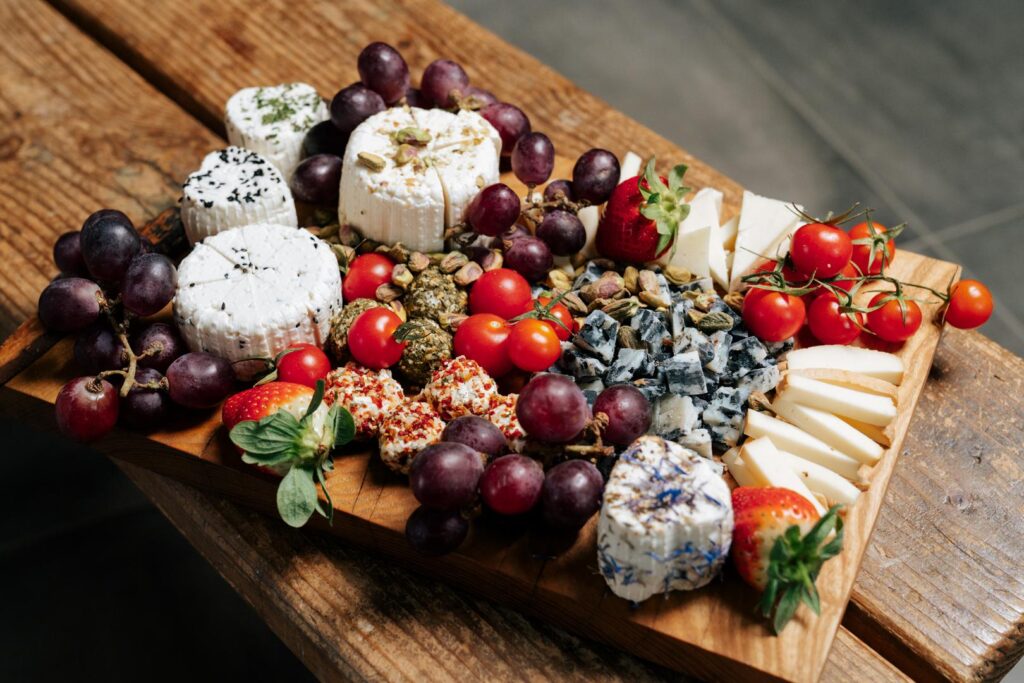
The Pomorskie Tourist Board, as a partner in the BASCIL project, cordially invites you to participate in a study visit, which will take place on May 12-14, 2025, in the pomorskie region.

An innovative culinary trail in pomorskie.

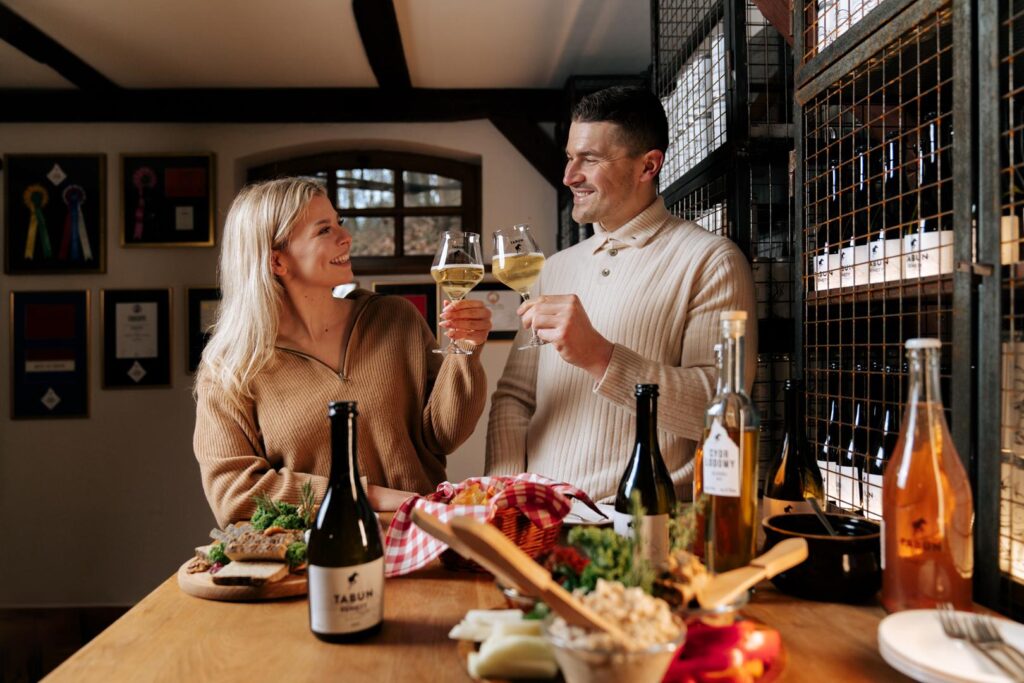
We would like to present you with a new culinary trail, the Pomorskie Taste, which features unique culinary tourism offers that are the result of the work of the project beneficiaries. We count on your participation and support in promoting this unique offer in the form of articles, posts, broadcasts, or other media activities. With your help, we want to ensure that this unique Pomorskie offer reaches a wide audience.


The BASCIL project, co-financed by the European Regional Development Fund (ERDF) under the Interreg Baltic Sea Region Program 2021-2027, aims to develop culinary tourism in rural areas and strengthen the competitiveness of local food producers by activating them in the tourism industry.


Why is it worth participating?

According to data from the UNWTO – World Tourism Organization, culinary tourism is rapidly gaining popularity, and the Baltic Sea region has enormous potential to become one of the key destinations for this type of travel.

Visit program

You can find the detailed visit program at the following link: program


Applications

Please send your applications to Ms. Barbara Makurat b.makurat@prot.gda.pl by March 20, 2025.


⚠️ The number of places is limited – we will contact you to confirm your participation.

BASCIL Logo Standard medium

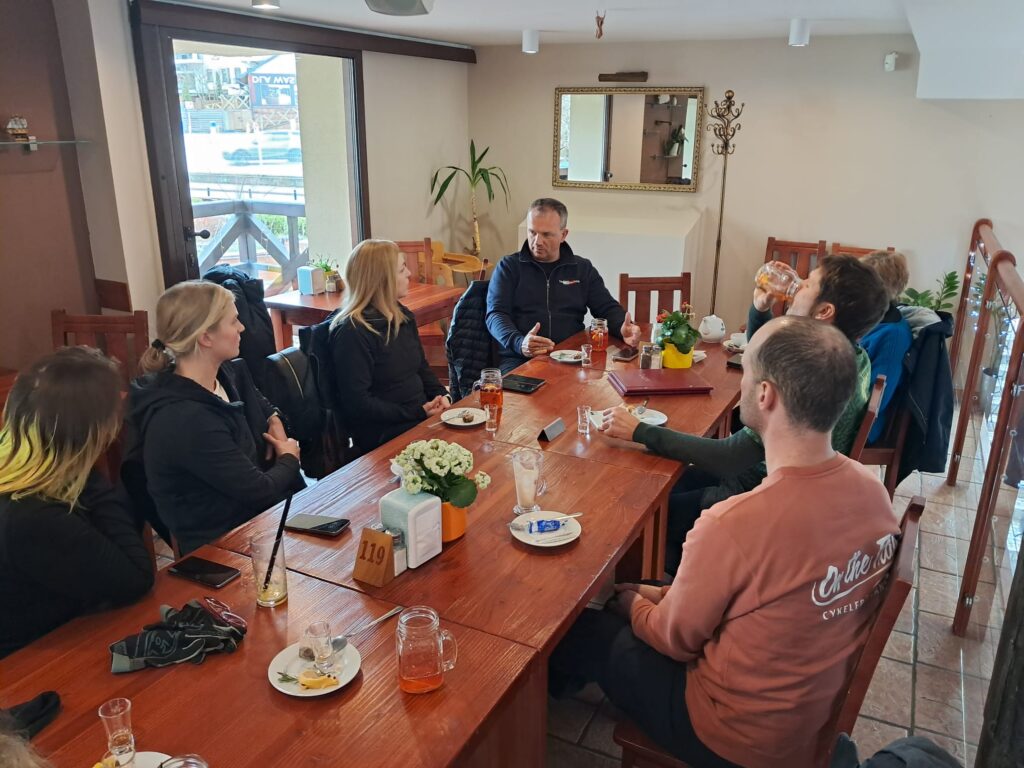
On March 3-5, 2025, Rostock hosted an international meeting of BASCIL project partners, whose goal is to develop and promote culinary tourism in the Baltic Sea region. The event brought together representatives of partner organizations, who summarized the activities carried out so far and discussed the next stages of the project’s implementation.

Project work and planning further activities

On the second day of the meeting, the partners took part in project workshops held at Ostseemühle Langenhanshagen. During the working sessions, the following topics were discussed:

  • summary of the results of the pilot implementation of the project in selected companies in the summer and fall of 2024,
  • updating the handbook for entrepreneurs – both in terms of content and graphic design,
  • planning the translation, graphic design, and distribution of the handbook,
  • activities within the next phase of the project, including the organization of a meeting in Poland and a conference in Sweden,
  • administrative and financial issues related to the further implementation of the project.


In addition to the substantive part, the partners had the opportunity to visit Ostseemühle Langenhanshagen, a local producer of cold-pressed oils, which successfully combines traditional production with a tourist experience.

Study visits – good practices from Mecklenburg


After the workshop meetings, the participants split into two groups to visit two unique places in the region:

Salzmanufaktur MV – a salt factory offering not only high-quality products, but also educational visits for tourists, relaxation areas, and an interesting history related to the tradition of salt production.


LandDelikat – a coffee roaster specializing in the production of lupine coffee, which is an innovative approach to local raw materials and their promotion on the market.


During the trip, participants also visited the Meanarhobby distillery, where the production of craft spirits has been enriched with the opportunity to tour, taste, and purchase products. The place is distinguished by its unique aesthetics and attention to detail.

Each of these places showed how to effectively combine craft production with tourism, creating a comprehensive experience for visitors.


Good practices from Pomorskie

During discussions on the development of culinary tourism, attention was drawn to the activities undertaken by pomorskie beneficiaries. We were proud to see Podole Wielkie cited as an example of good practice, confirming that well-planned initiatives can effectively contribute to the development of this sector.


Summary and plans for the future

On the last day, the participants met at the Haus des Internationalen Tourismus in Rostock, where the partners gave presentations on marketing activities related to the implementation of further elements of the project. They also discussed ways of collecting data on the effects of the pilot implementations, which will be analyzed in the summer of 2025.


The next project meeting will take place in June in the Pomorskie Province, where partners will have the opportunity to learn about further examples of successful culinary tourism models and exchange experiences with Polish entrepreneurs.


The BASCIL project consistently strives to strengthen the position of the Baltic Sea region as an attractive destination for culinary tourists. Thanks to international cooperation and knowledge exchange, local products and traditions can gain new quality and greater recognition on international markets.


The Bascil project is co-financed by the Interreg Baltic Sea Region program.