Skip to page content Go to menu Go to the help menu
Search engine:

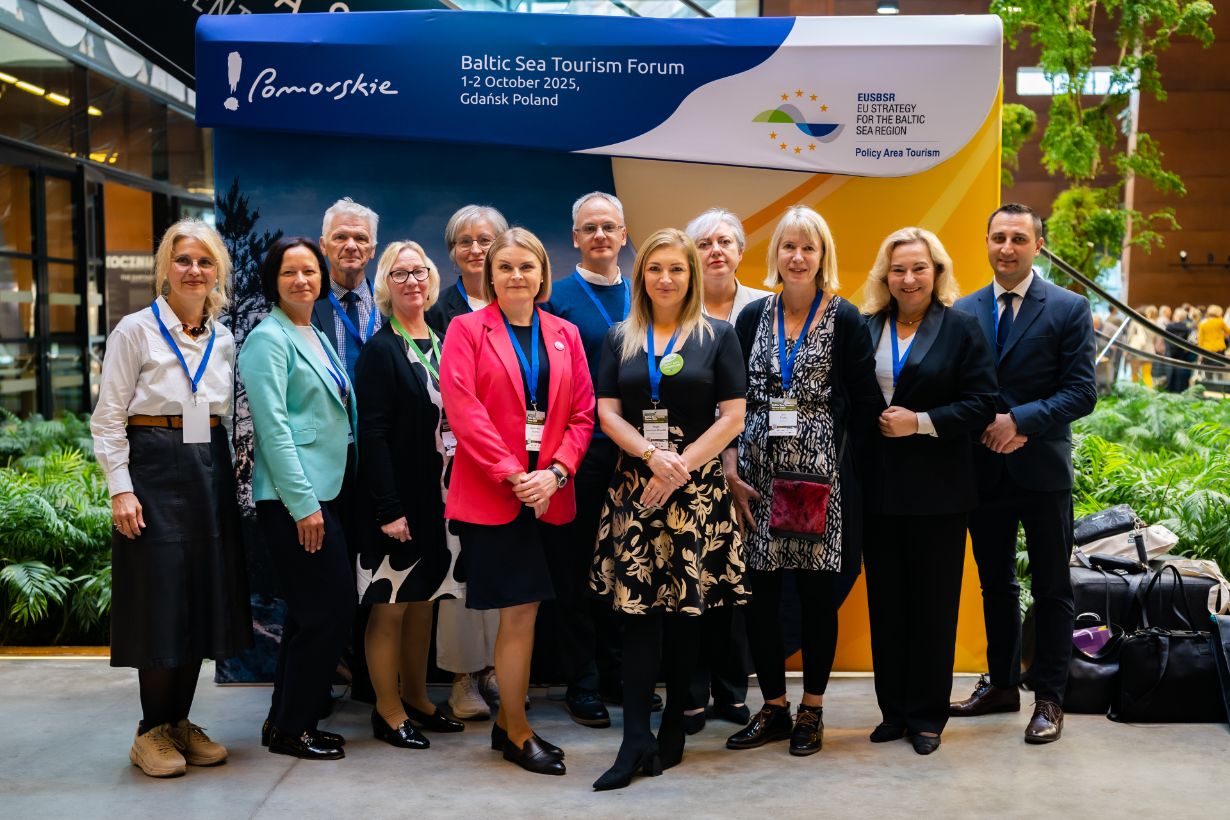
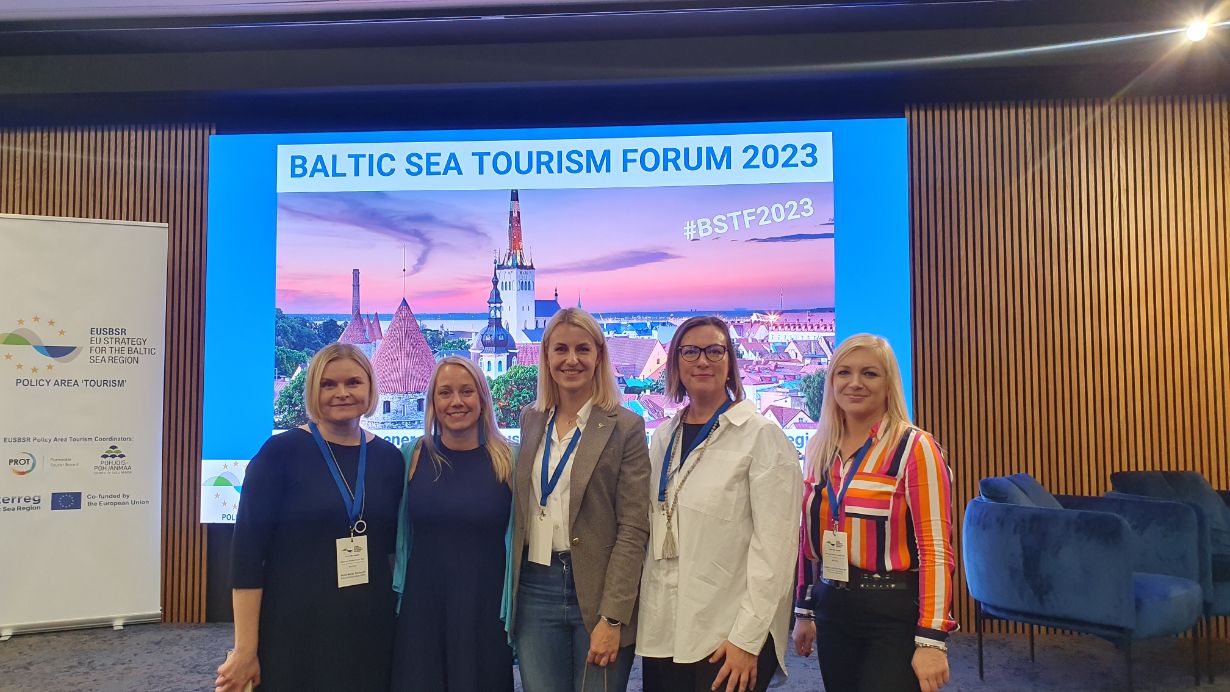
Since March 2022, the Pomorskie Tourist Board has been acting as the Coordinator of the Policy Area Tourism (PAC Tourism) within the framework of the European Union Strategy for the Baltic Sea Region (EUSBSR).

The task of PAC Tourism is to support the development of tourism in the Baltic Sea region by coordinating cooperation between public institutions, regional and local tourism organizations, the scientific sector, non-governmental organizations, and industry companies.

PAC Tourism promotes the development of sustainable, innovative, and resilient tourism that supports environmental protection, strengthens local communities, develops the skills of sector employees, and increases the competitiveness of the macroregion. The area facilitates cooperation within transnational projects and supports stakeholders in using programs such as Interreg Baltic Sea Region and Interreg South Baltic.

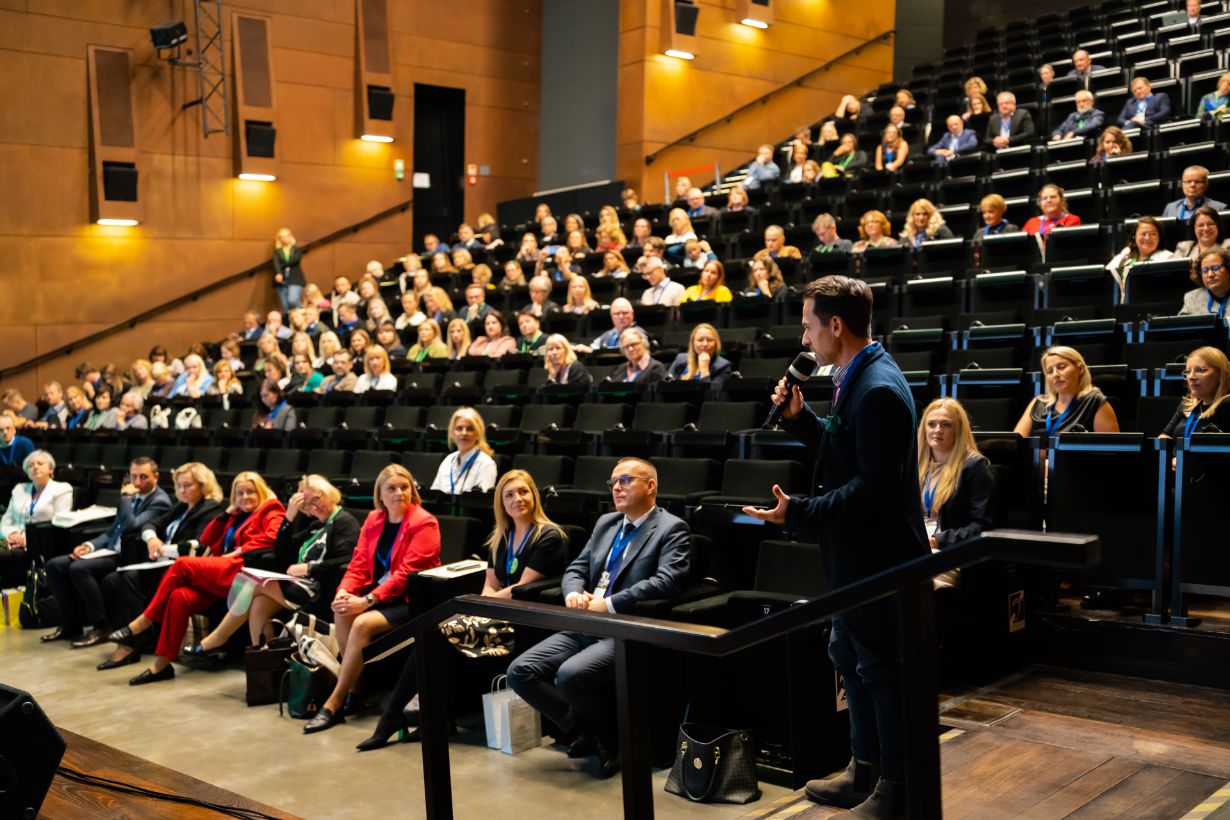
PAC Tourism is responsible for implementing the actions set out in the EUSBSR Action Plan in the field of tourism, including by supporting thematic platforms, initiating projects, organizing events, and promoting good practices, particularly in the areas of innovation, cross-border cooperation, and sustainable destination management.

Detailed information

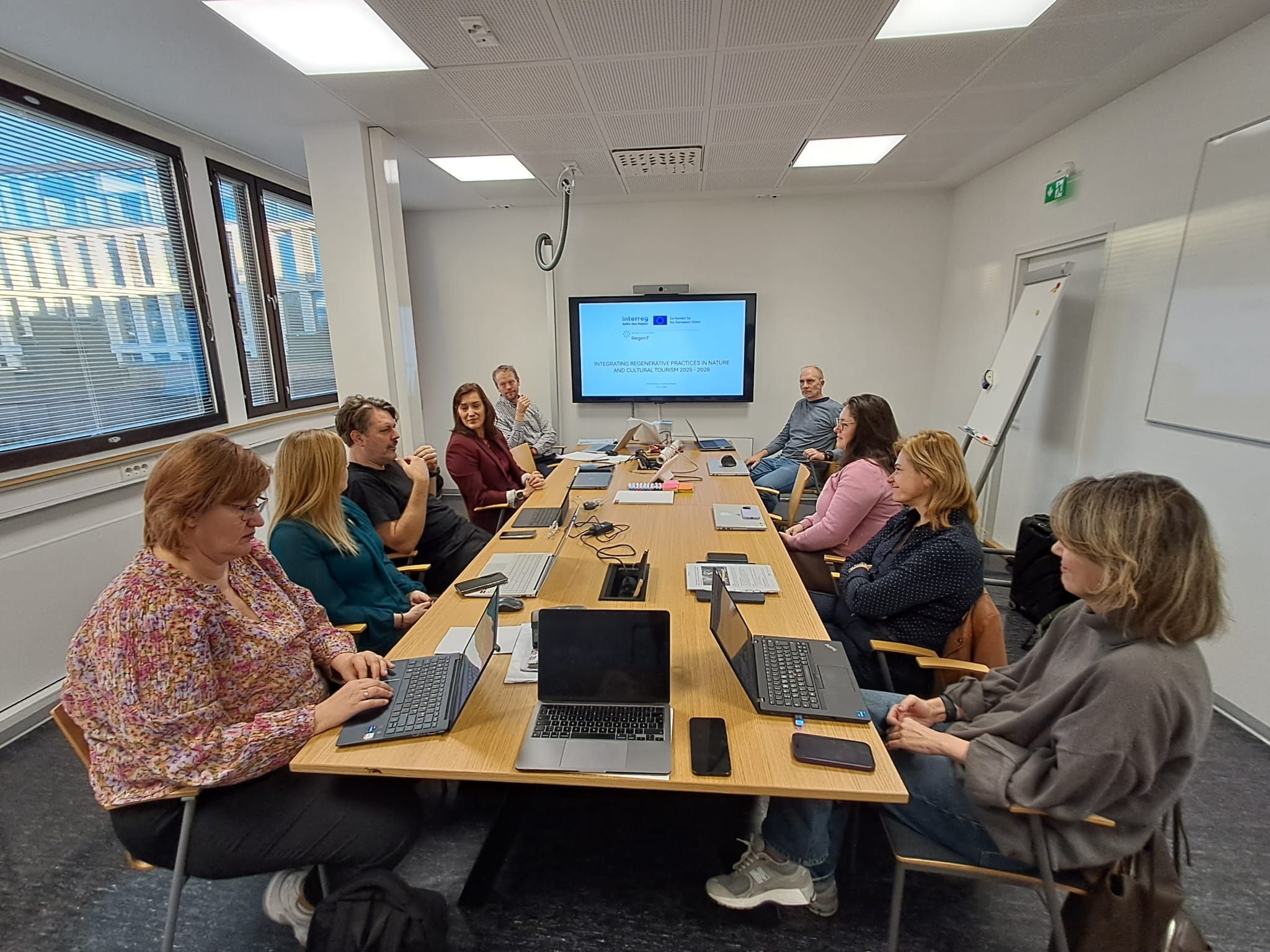
RegenT (Integrating Regenerative Practices in Nature and Cultural Tourism) is a project that aims to introduce regenerative tourism as a new standard for the development of the industry in the Baltic Sea region. Regenerativity in tourism goes beyond the idea of “do no harm” – it involves creating a positive impact on the environment, local communities, and local heritage. The project develops tools, knowledge, and models of action that will help tourism organizations, public administration, businesses, and NGOs implement practices that rebuild the region’s natural and cultural resources.

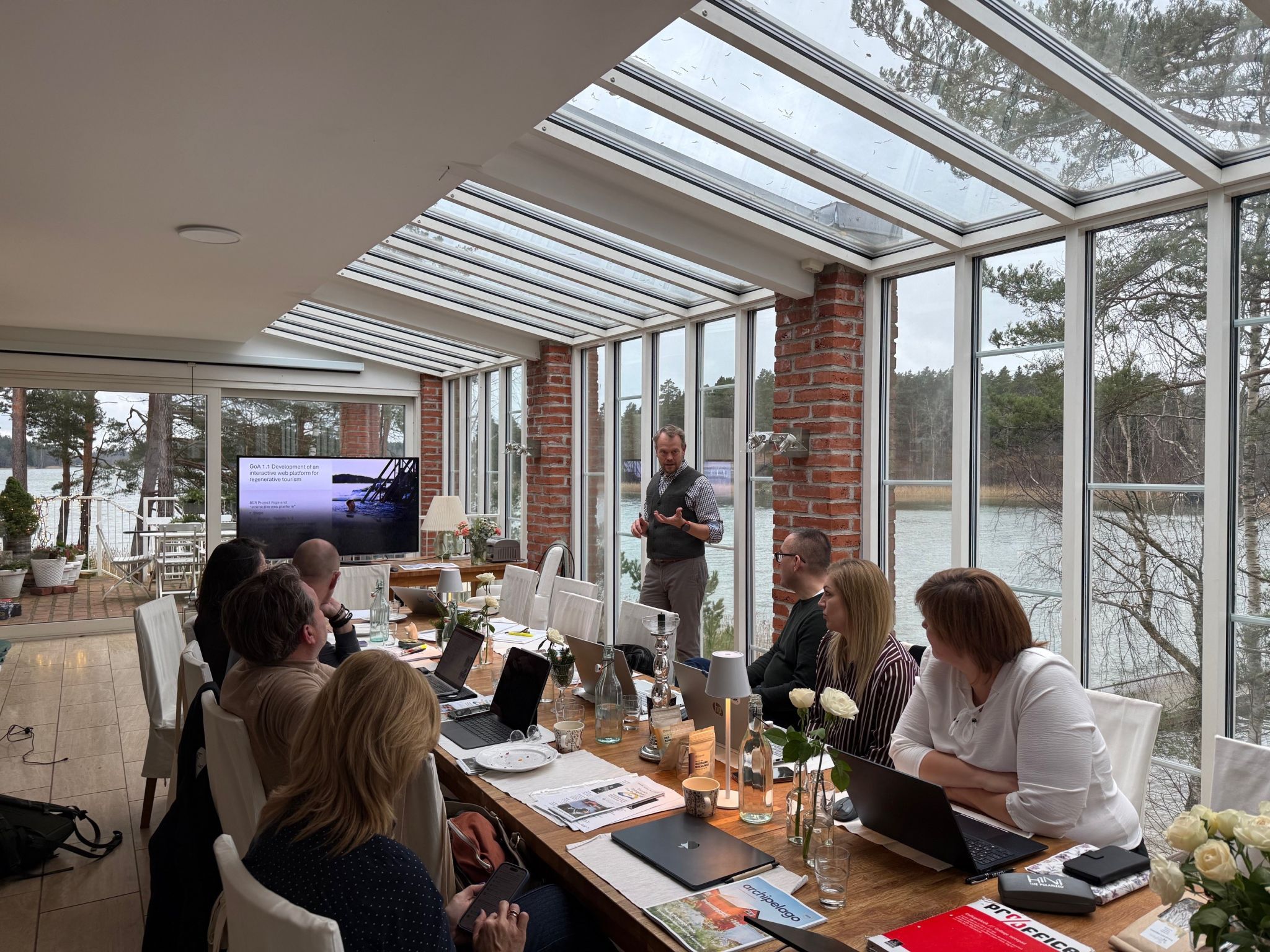
A key element of RegenT is the creation of the Regenerative Tourism Hub – a platform that will serve as a center of knowledge, training, inspiration, and exchange of experiences for the entire Baltic Sea region. The Hub will develop and provide practical tools, guidelines, and solutions that can be adapted at the local and regional levels, while facilitating partners’ access to proven models and methods of operation.

The project is a platform based on the results of seven previous Interreg projects and other international programs. RegenT builds on their achievements, integrates them, and takes them to the next level, creating a common, coherent foundation for the development of regenerative tourism across the macro-region. The base projects include:

  • Light in the Dark (Interreg Baltic Sea Region) – focusing on year-round tourism and the use of light and darkness as a natural resource in creating offers.
  • BEACH-SOS (Interreg Baltic Sea Region) – a project supporting the protection and sustainable management of coastlines, especially in the context of tourism pressure.
  • BASCIL (Interreg Baltic Sea Region) – an initiative developing culinary tourism and cooperation with local food producers.
  • Baltic Sea Food (Interreg BSR 2014–2020) – a project strengthening the regional network of local producers and their links with the tourism sector.
  • ReTour (Interreg South Baltic 2021–2027) – an initiative for the development of regenerative nature and rural tourism in the southern Baltic Sea region.
  • 3ST: Speeding up Sustainability Skills in Tourism (Interreg North Sea Region 2021–2027) – a project building competencies in sustainable tourism management.
  • Access Routes (Interreg Estonia–Latvia 2021–2027) – a project strengthening the accessibility of destinations, routes, and attractions.

Based on these experiences, the RegenT platform acts as a common space for partners from across the region – from scientific institutions and regional tourism organizations to NGOs and SMEs. Together, they work on testing regenerative practices in the field, analyzing their effectiveness, developing scaling models, and creating guides and educational materials.

RegenT is a project that not only raises the competence of the industry, but also combines previous achievements into a coherent, macro-regional strategy that introduces regenerative tourism into the daily management of destinations in the Baltic Sea region.

Detailed information

ReTour is a project co-financed by the Interreg South Baltic 2021-2027 program to develop new methods and solutions for regenerative tourism.

What is regenerative tourism?

Regenerative tourism is an approach that goes beyond sustainable tourism. While sustainable tourism focuses on preserving places for future use, regenerative tourism aims to restore and improve these places, restoring their natural and cultural resources and supporting local communities. Regenerative tourism makes a place thrive. It requires both a shift in thinking and a paradigm shift. The project focuses on developing regenerative tourism, which aims to create experiences that contribute to the improvement and renewal of places where it is implemented. In this way, tourism not only makes use of local resources, but also supports their sustainability and improves the quality of life of local residents.

What will be implemented as part of the project?

The Pomorskie Tourism Organization will focus on studying the needs of various tourist destinations and, on this basis, will develop and introduce proposals for new tourism offers that are rich in experience based on regenarative tourism.

These activities will be conducted in close cooperation with various entities, such as:

  • municipalities
  • tourist enterprises
  • non-governmental organizations

The identified examples and key findings will be shared among the partners in the ReTour project, allowing the development of tourism offers that will create significant value for various stakeholders, including:

  • local communities
  • small and medium-sized enterprises

Specific offers will be prepared taking into account the specifics of the site, allowing for a better fit with the needs of tourists and local communities, taking into account important aspects, including environmental protection and cultural preservation of the site.

The project’s activities are divided into four different working areas:

  1. The first
  2. The working area includes joint study tours to explore good
  3. practices, collaborate with stakeholders and develop methods of action for
  4. regenerative tourism.
  5. The second
  6. work area focuses on testing and exploring different tourism offerings
  7. tourism. In this process, both opportunities and
  8. limitations of these offers. All partners will conduct tests in their
  9. areas of operation, taking into account the specifics of their locations. The goal is to
  10. jointly develop appropriate regenerative tourism practices that are
  11. adapted to local conditions and needs.
  12. The third
  13. work area involves developing guidelines on how to
  14. positioning in the Baltic Sea tourism space of places of
  15. regenerative character. These sites will be promoted through various
  16. PR activities, with accompanying journalistic visits.
  17. The fourth
  18. work area concerns the consolidation and dissemination of new developments. A
  19. guidebook, toolkit and joint action plan for
  20. positioning of regenerative tourism sites.

All of the project’s work areas are aimed at development and are characterized by an exploratory approach. This means that:

  • They focus on finding new solutions and ideas.
  • They aim to enrich the knowledge of regenerative tourism.
  • Participants will explore various aspects and opportunities to better understand how to improve tourism offerings.

This approach will enable the project to adapt to changing market needs and better respond to tourism challenges.

Why is cooperation important?

Regenerative tourism requires consideration of several aspects of sustainability. By identifying the needs of a place, experiences can be developed that address important and key challenges, such as environmental protection, preservation of a place’s culture and economic development. This can include, for example, the creation of non-obvious tourism experiences in which the conditions and specific needs of places and communities determine which experiences are developed. In this way, the potential of a place is developed while providing visitors with a valuable experience. To achieve this, various stakeholders such as local communities, businesses, nonprofit organizations and authorities must work together.

Pilot project

The Pomorskie Tourism Organization’s pilot project will research, analyze and market new experiences in regenerative tourism. The examples collected and key lessons learned will be shared with other regions and countries as part of the ReTour project to shape the development of sustainable tourism offerings. Collaboration is critical to the success of regenerative tourism with its innovative strategies and methods to revitalize the local tourism sector.

Our goals

The goal of the project is to understand how tourism can develop and strengthen local communities and support the natural conservation of a place. Initially, we will focus on exploring how different places around the world are using regenerative tourism. We will delve into methods already developed, as well as test brand new approaches, to begin the process of finding out what will work in Pomorskie and the South Baltic region.

Detailed information

Gallery

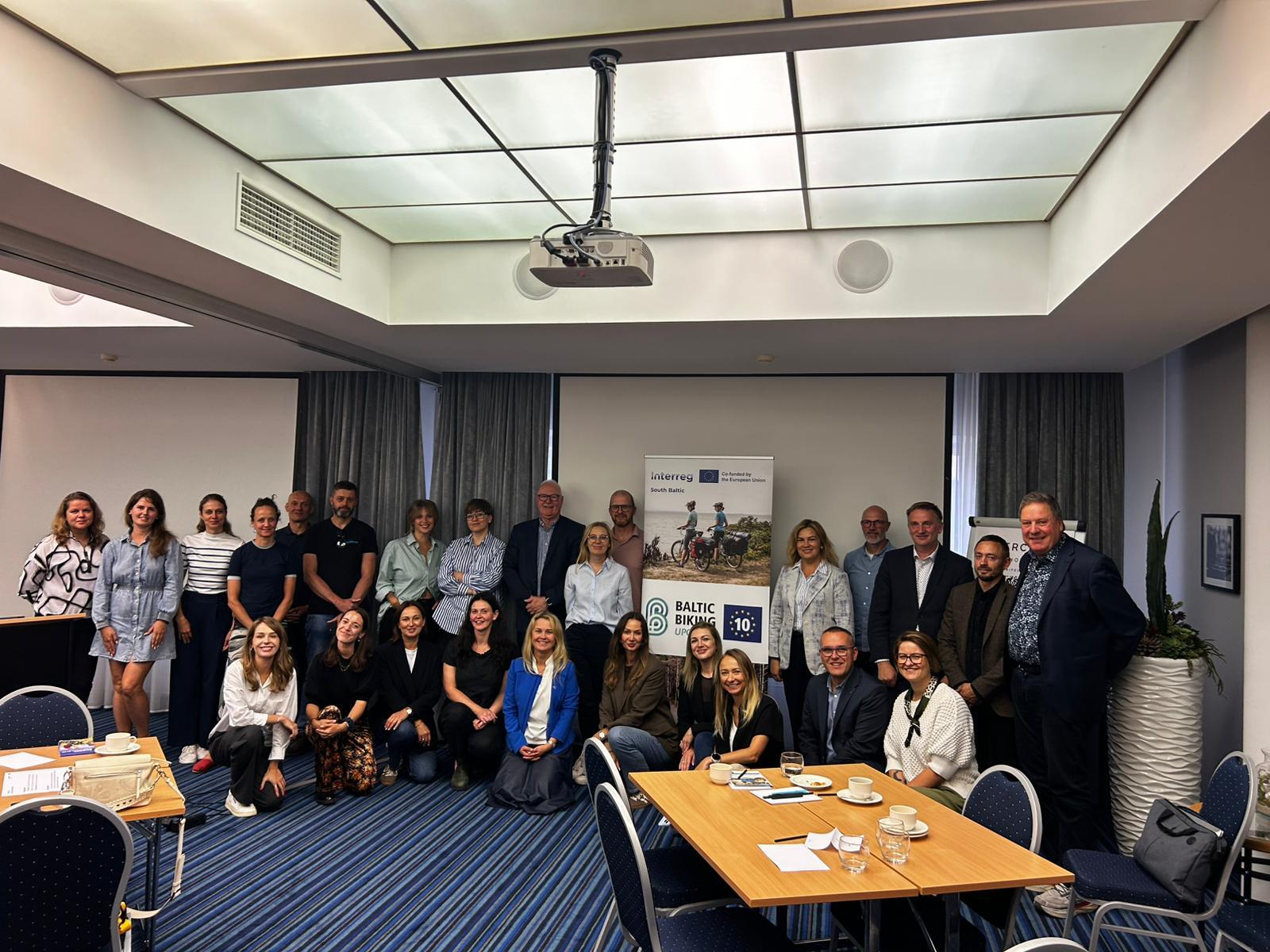
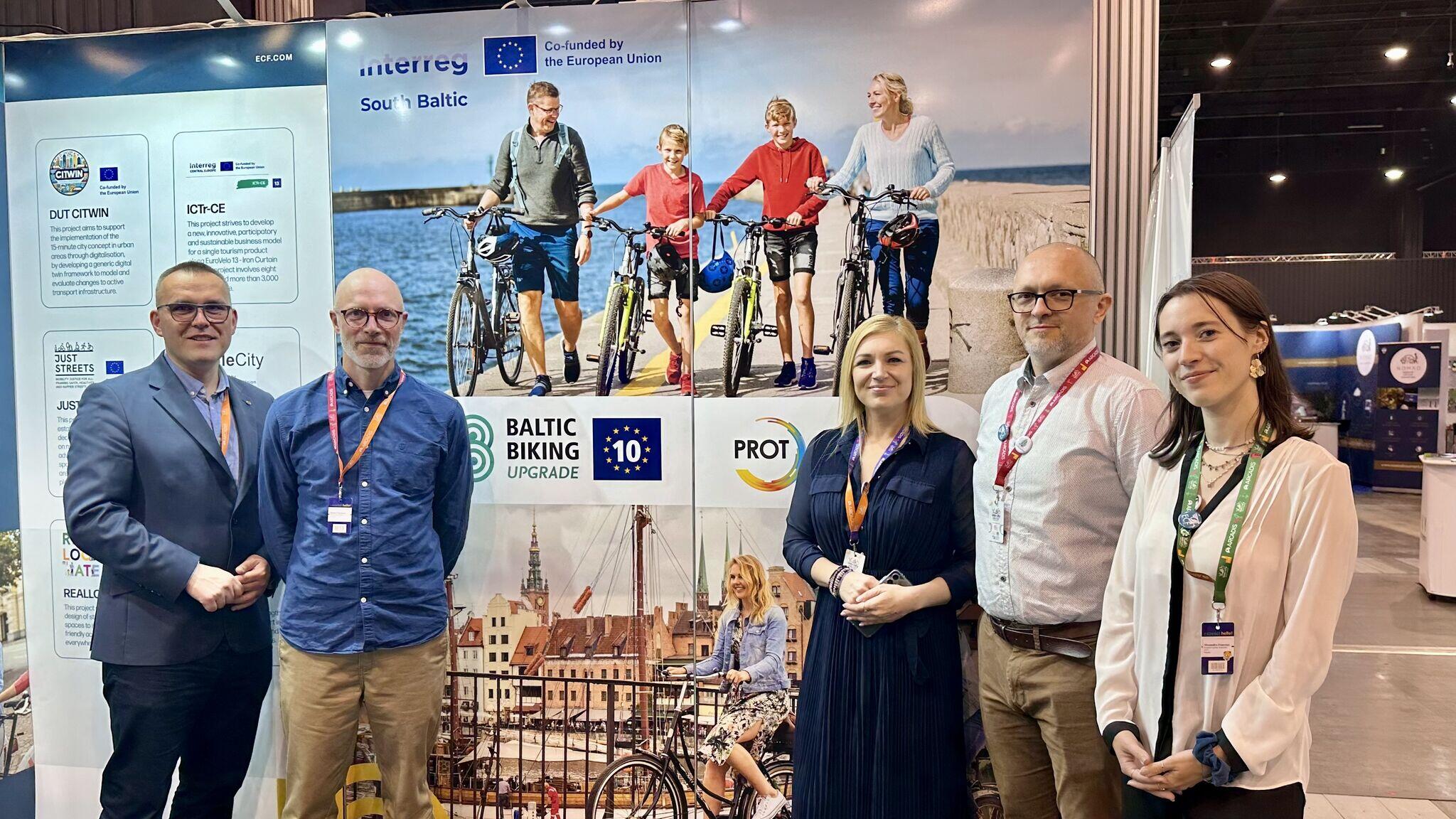
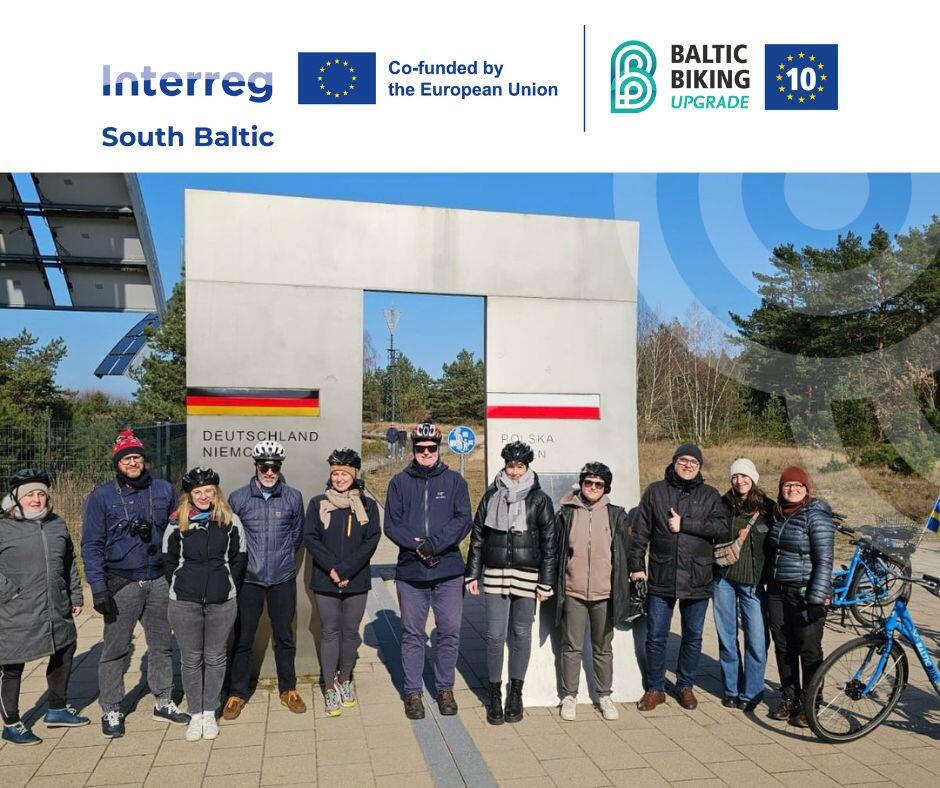
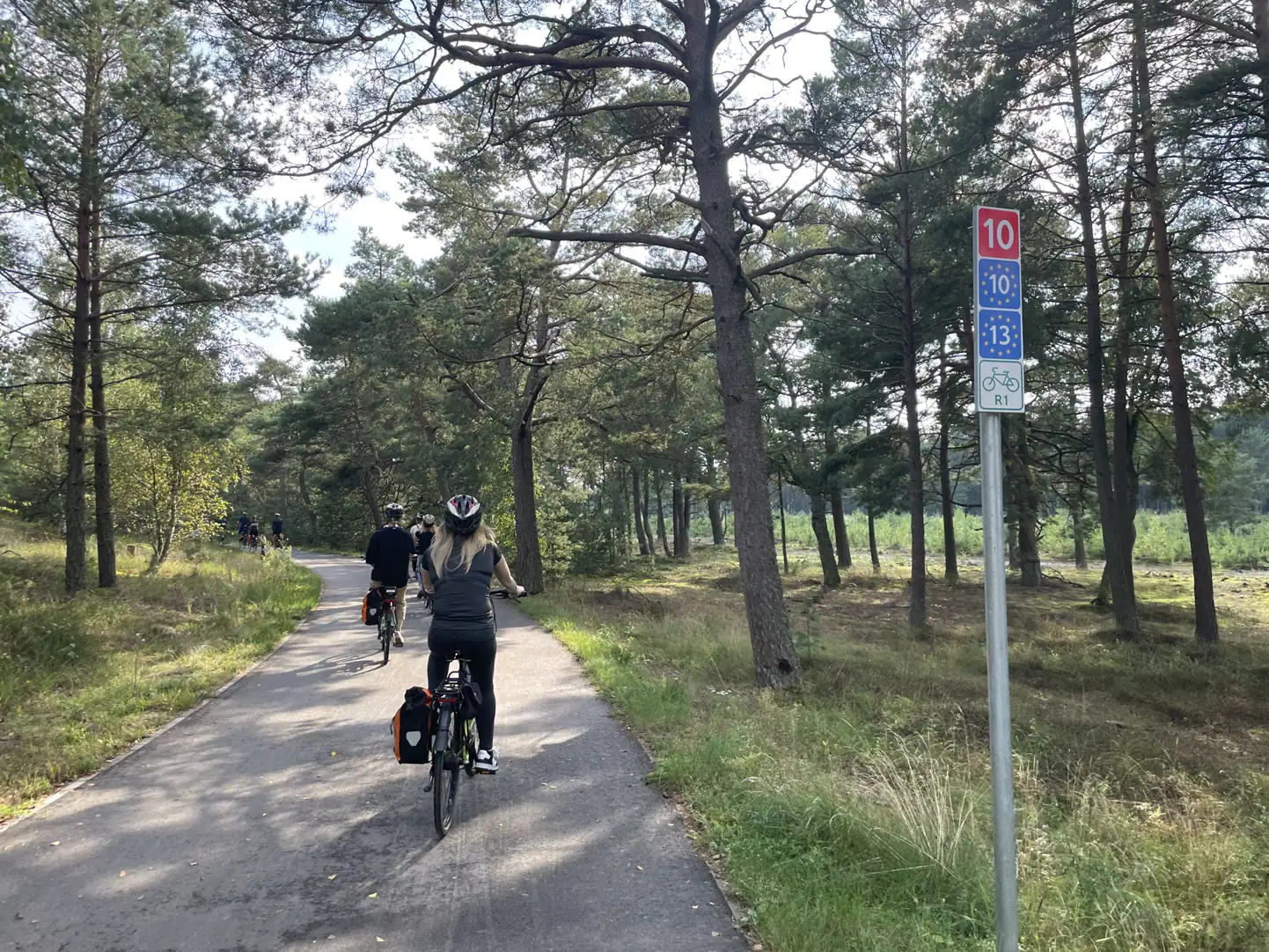
Baltic Biking UPGRADE (BBU) is a project co-financed by the Interreg South Baltic 2021-2027 program aimed at supporting small and medium-sized enterprises (SMEs) along the southern part of EuroVelo 10 – the so-called Baltic Cycle Route. Nine partners, covering six countries, will seek to help SMEs develop cyclist-friendly services and create cycling tourism products and offers.

Following the results of the Biking South Baltic project and based on the expertise of the European Cyclists’ Federation and discussions with regional authorities, a new proposal was submitted to the Interreg South Baltic program in February 2023 and was approved at the program’s Monitoring Committee meeting in June 2023. This project arose from the assessment that SMEs are aware of the potential of EuroVelo 10 – the Baltic Cycle Route, but do not know how to link their offer to the route and promote it to future customers, including the local community interested in cycling tourism as a form of recreation.

Baltic Biking UPGRADE (BBU) officially started on September 1, 2023, and will run for three years (2023-2026). The project, led by the Pomorskie Tourist Board, covers six countries—Poland, Denmark, Germany, Sweden, Lithuania, and Belgium, as the ECF is based in Brussels. The project will focus on the southern Baltic section of EuroVelo 10 – the Baltic Cycle Route. These five countries of the Southern Baltic cover more than 4,900 km of the route, out of a total length of 9,100 km, which is more than half of the route.

The BBU will address several important challenges facing SMEs located in the southern Baltic Sea EuroVelo 10 area: lack of knowledge, underdeveloped standards, development of cyclist-friendly services and offers, and lack of a solid business network and partnerships with relevant partners, including international stakeholders.

The main objective of the project is to help SMEs create attractive offers and effectively reach local customers and foreign markets. To this end, several types of activities will be organized: dedicated training on creating new offers aimed at an international audience, guidelines for SMEs on building cycling tourism service offers, a dedicated marketing campaign for new offers, and an invitation to join the EuroVelo 10 partner network in the South Baltic region.

The BBU will enable the introduction of more and improved existing cyclist-friendly services along EuroVelo 10, along with new products and offers for cyclists. The ultimate goal is to increase the visibility of the area on the international cycling tourism market and to strengthen the development and management of the EV10 route through closer international cooperation.
Detailed Information


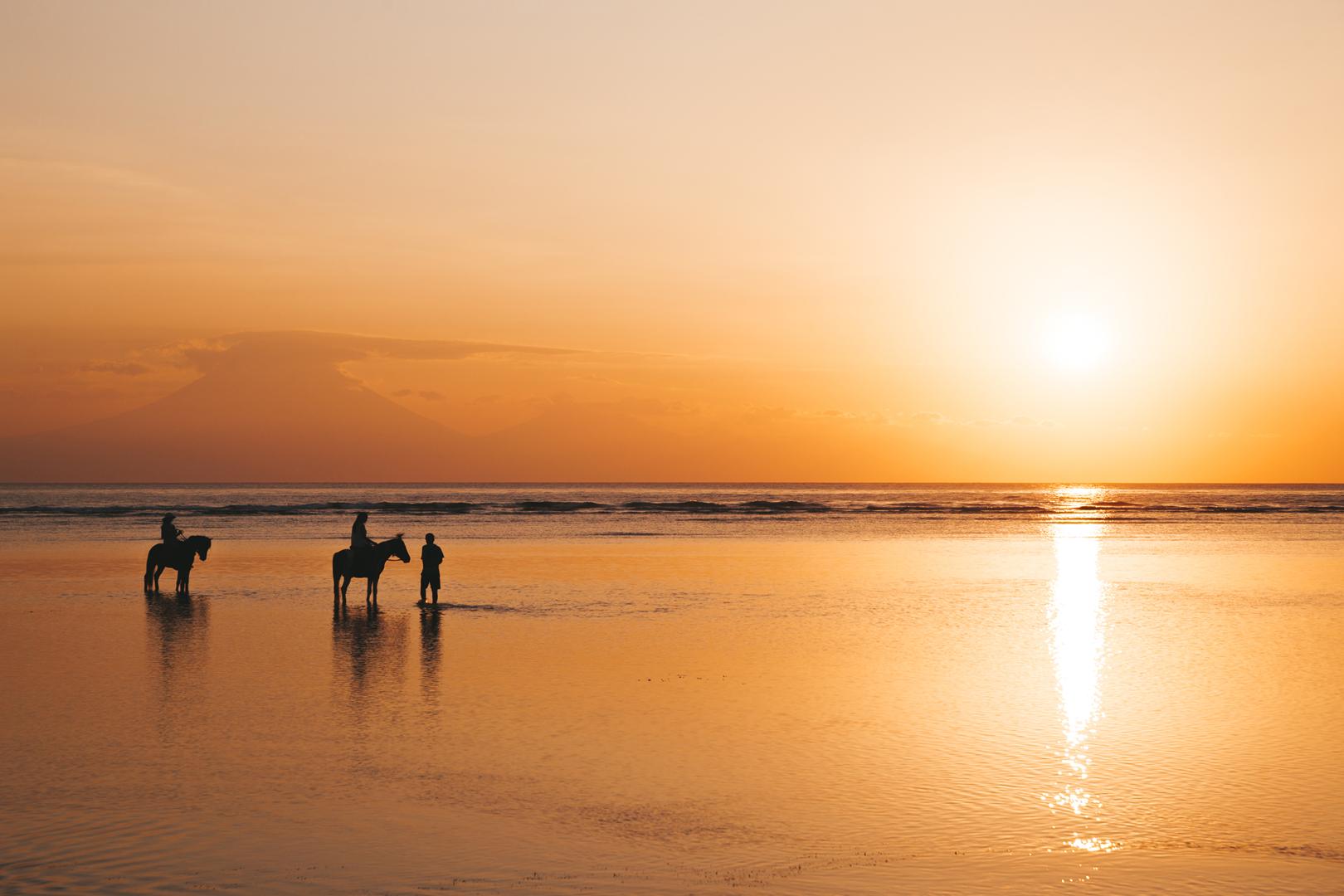
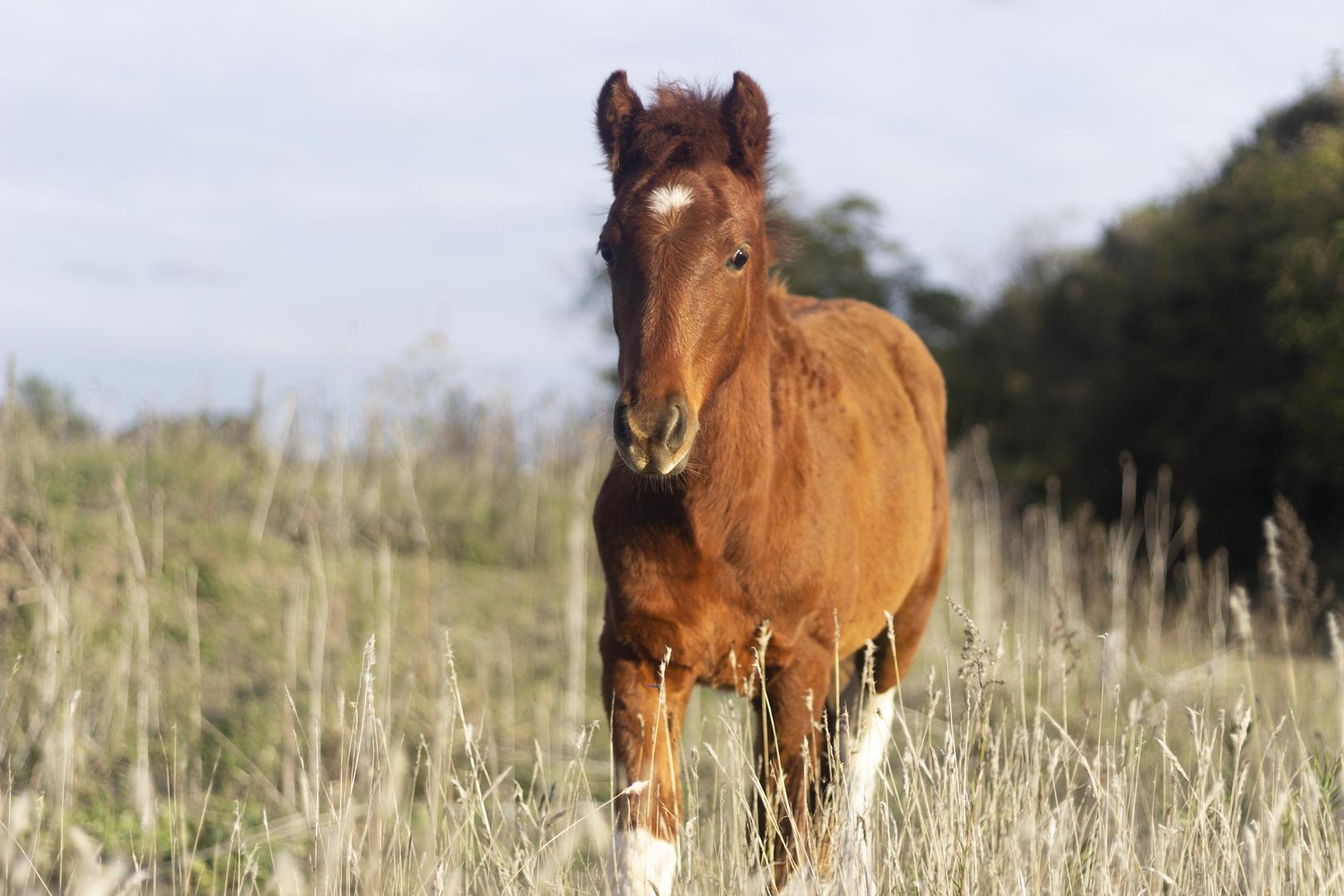
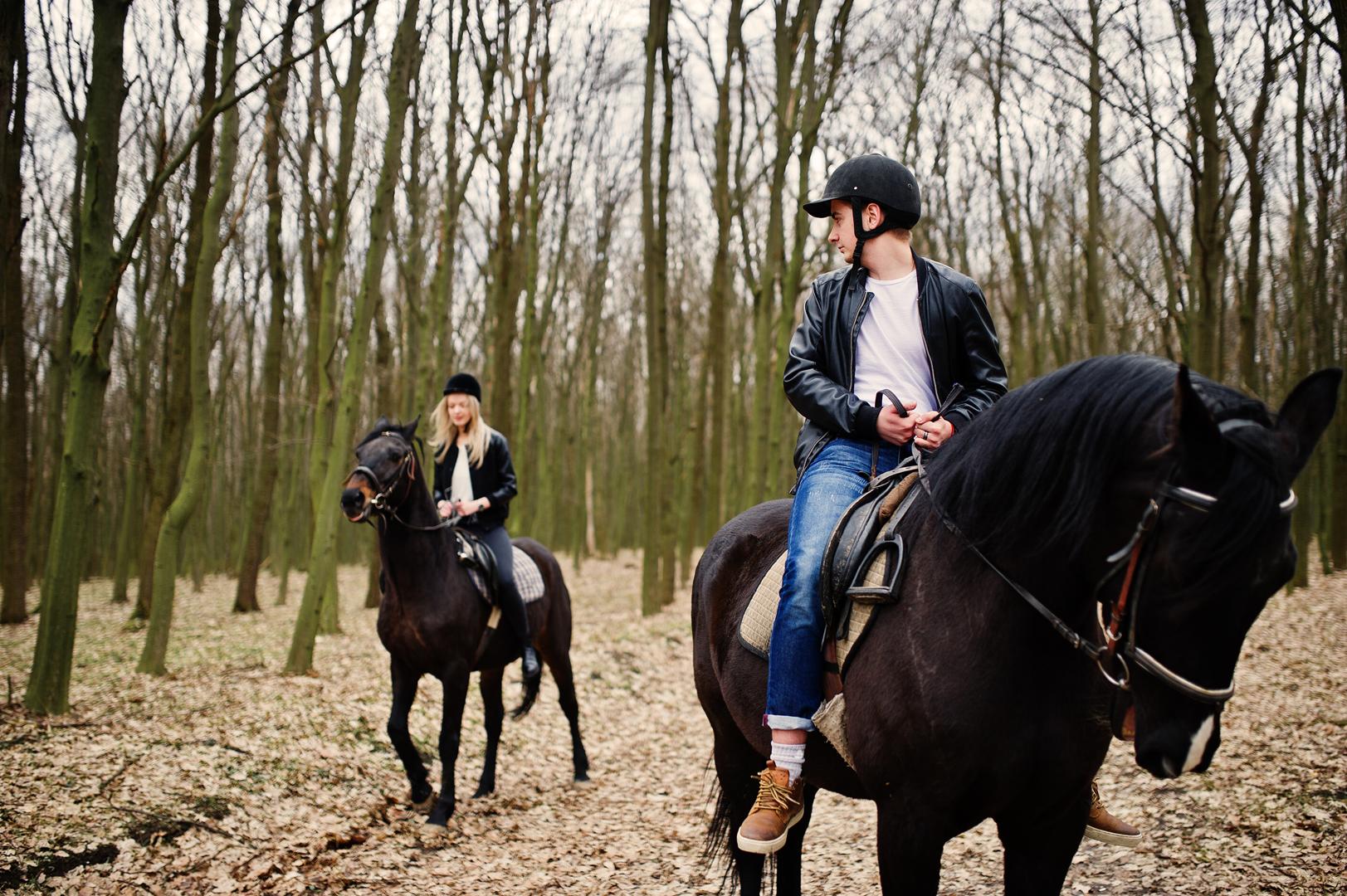
Horse Tourism for Everyone is a project co-funded by the Interreg South Baltic 2021-2027 program to support the inclusive and citizen-oriented development of horse tourism in the South Baltic area and transform it into a year-round horse tourism destination. This will be achieved by supporting tourism providers to create and promote offerings that will make equestrianism accessible to broad groups of tourists and residents.
Main objectives

NETWORK BUILDING – the establishment of regional partnerships for the development of equestrian tourism, oriented toward social integration and linking for the exchange of experiences and joint activities.

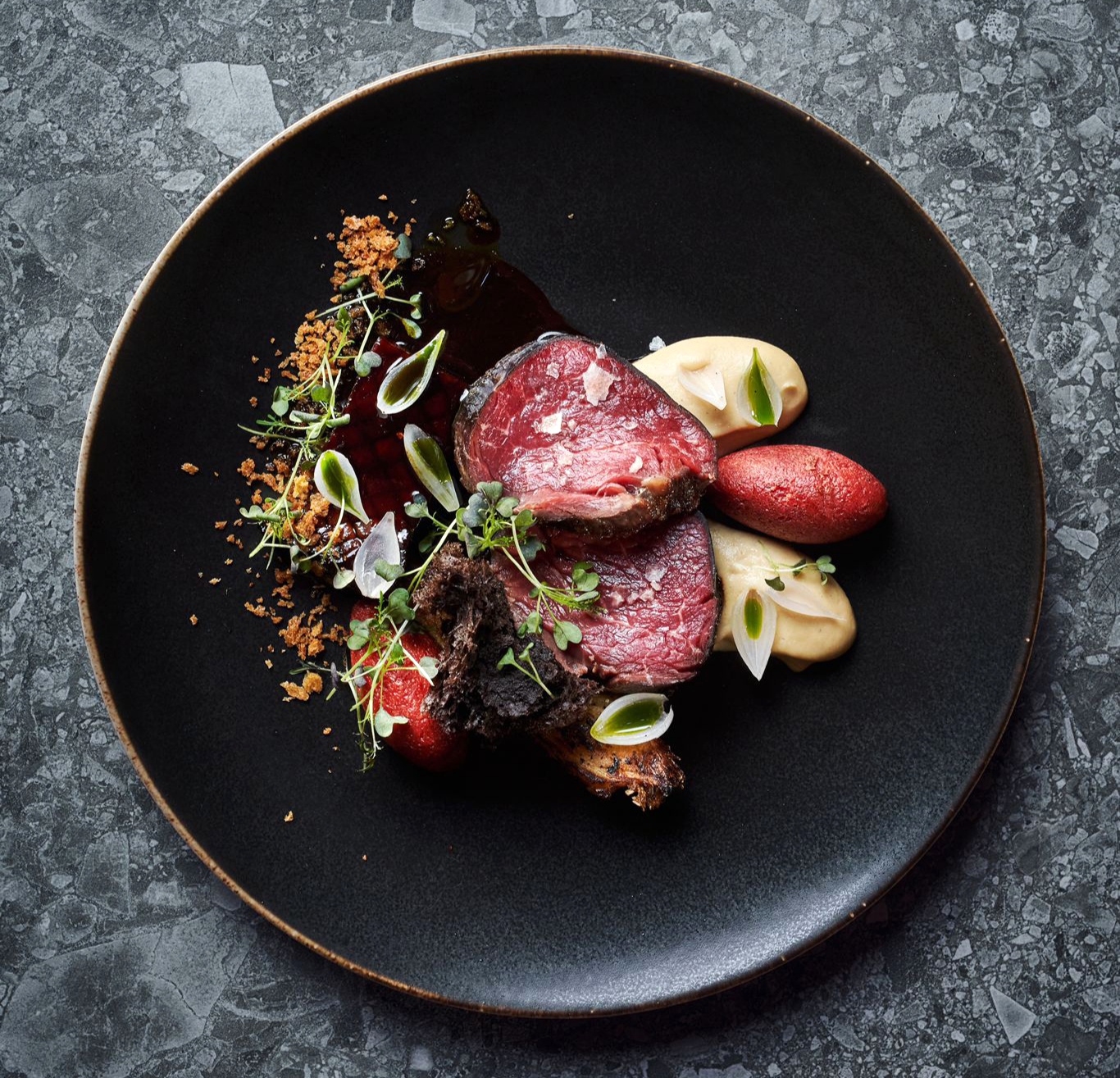
INFRASTRUCTURE IMPROVEMENT – piloting and implementing next-generation horse trails to provide a more multi-faceted equestrian experience (so-called “trails with a view” routed through scenic landscapes, trails with stops at places of interest).

PRODUCT INNOVATIONS – introduce innovative horse tourism offerings that open up to new target groups (e.g., horseback tours for companies), season extensions (e.g., “horse and culinary” packages) or are tailored to the needs of local residents.

REPOSITIONING – launching a joint marketing campaign to change the “exclusive” image of equestrianism among both visitors and residents and promote the BSR as an inclusive “horse tourism destination for everyone.”

The project activities will be implemented by partners in five regions of the following countries:

– Poland – Pomorskie Voivodeship

– Lithuania – Klaipeda County,

– Sweden – Kamlar region (island of Öland),

– Denmark – Zealand region,

– Germany – the state of Mecklenburg-Vorpommern

The above regions will jointly create models for potential followers in the Baltic Sea region. The partnership includes local and regional authorities, tourism organizations and innovative equestrian SMEs. The project brings together experiences from all 5 South Baltic countries in an innovative, integrated and collaborative approach to strengthening equestrian tourism.

Detailed information


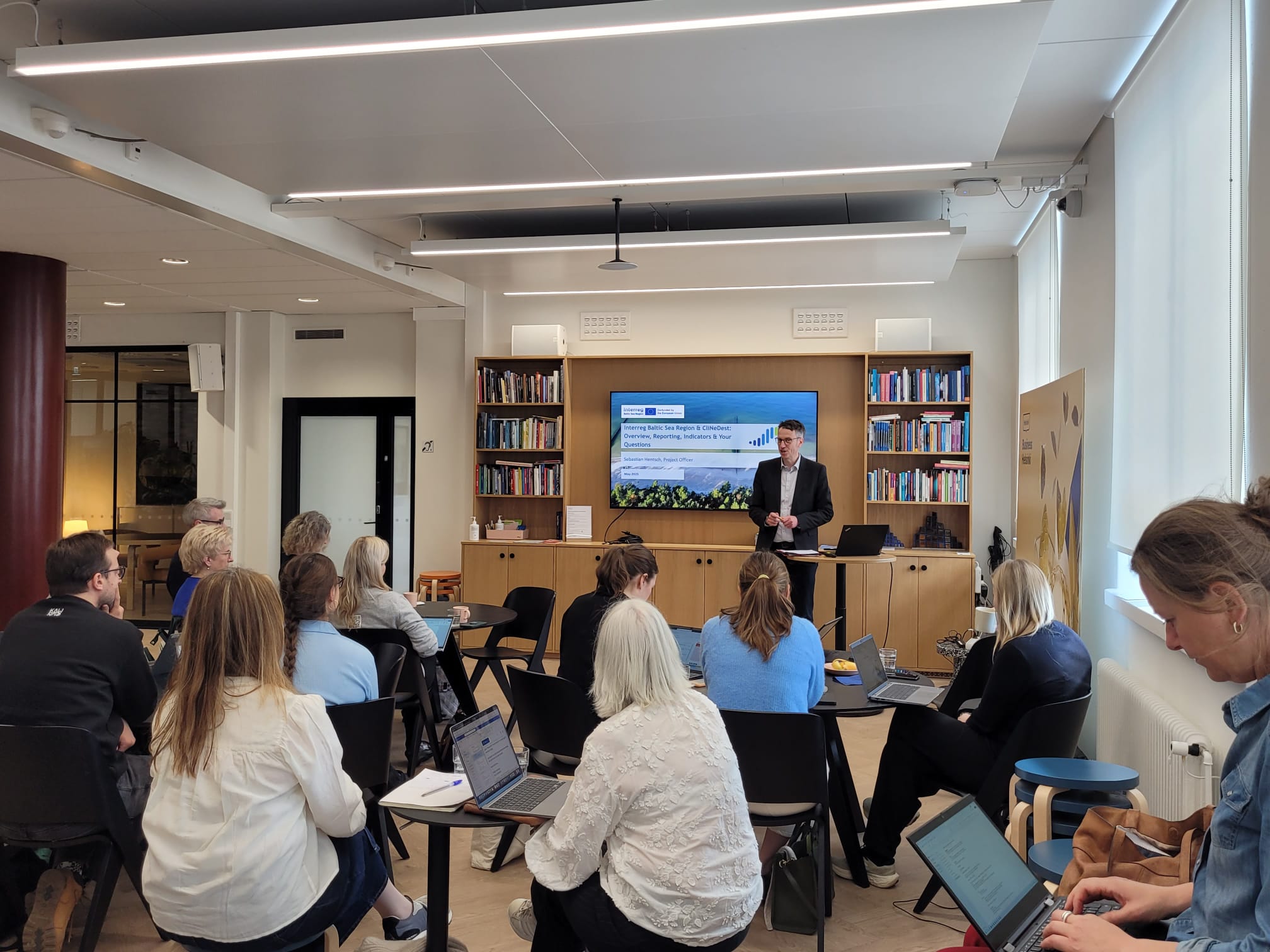
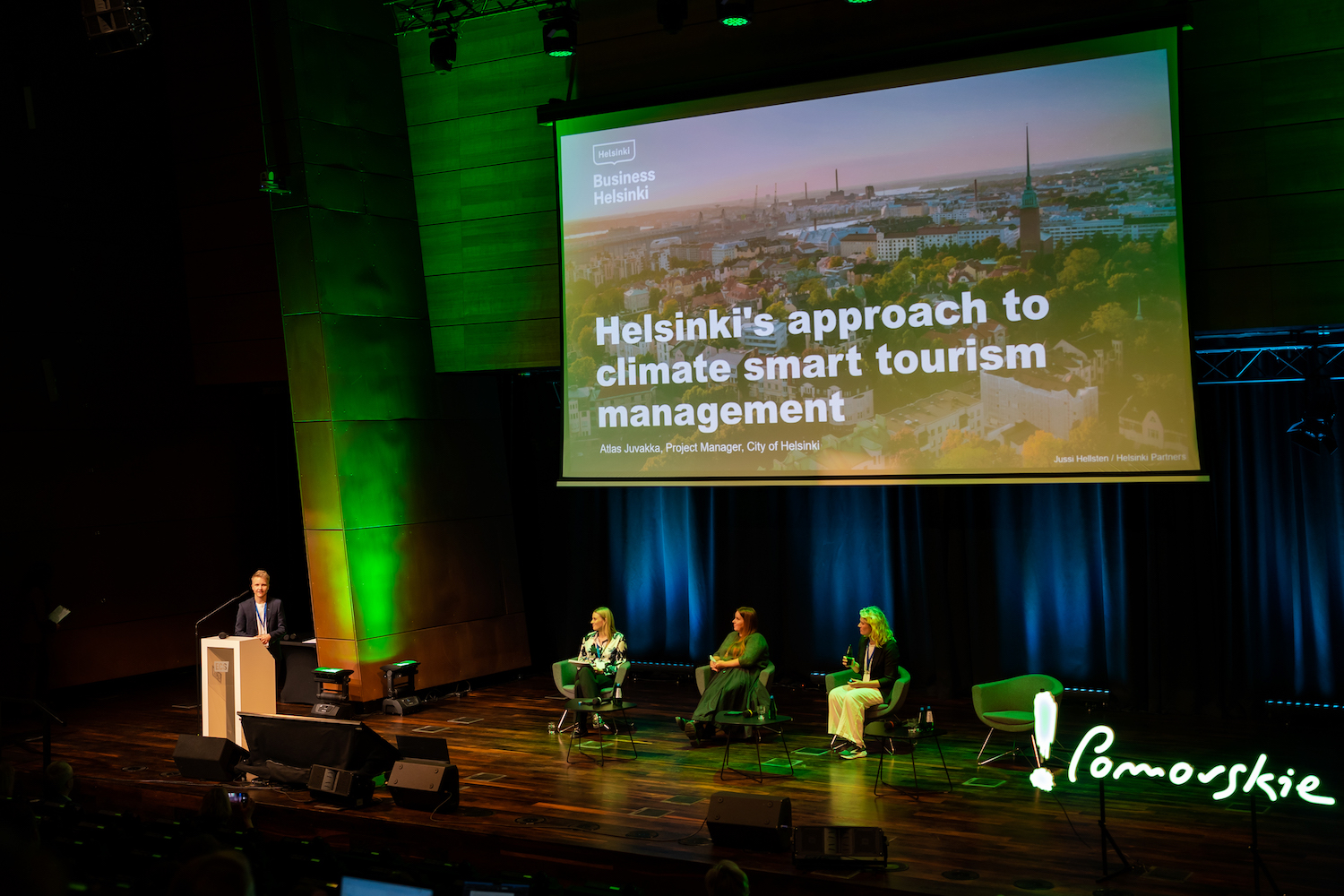
In the CliNeDest project, eight tourism destinations from the Baltic Sea region are supporting travel companies to create low-carbon offerings that meet the growing demand for sustainable tourism while strengthening the region’s position as a climate-neutral destination.
About the project

Climate change and growing customer expectations for sustainable and low-carbon travel options are key challenges for the tourism industry. The sector must adapt to the increasingly rapidly changing market conditions caused by climate change.

The Climate Neutral Destinations project engages eight destinations in the Baltic Sea region in the joint development of a Climate Smart Business Toolkit that will help tourism companies address these challenges and make a fundamental transformation towards climate neutrality. The project will provide practical steps and tools to support business development based on CO₂ emissions data, decarbonization and co-creation of low-carbon tourism experiences. A knowledge management model to support the development of climate-smart destinations will also be created.

The project includes the development of:

1. a toolkit for climate smart business (Climate Smart Business Toolkit).

The toolkit will be developed and tested in cooperation with tourism companies in three stages:

  • Testing the best tools for measuring carbon footprint and developing climate smart business.
  • Co-creation and promotion of low-carbon tourism experiences in line with the requirements of the EU Green Claims Directive.
  • Develop systematic CO₂ data management at the destination level, in cooperation with destination management organizations, public authorities and businesses, resulting in guidelines that help integrate climate action into long-term tourism development planning.

2 Climate-neutral destination networks

A network of sustainable tourism leaders will be established to foster cooperation and set directions for other destinations

3. training program

A training program aimed at destination management organizations on how to use the toolbox and engage tourism companies in climate action.

The Climate Smart Business Toolkit is primarily aimed at destination management organizations that support and coordinate climate action and cooperation with tourism companies. By effectively engaging companies and working with national tourism organizations, the project will accelerate the transformation towards climate neutrality in tourism and help the industry adapt to dynamic changes.

Detailed information

Downloadable files

Project poster

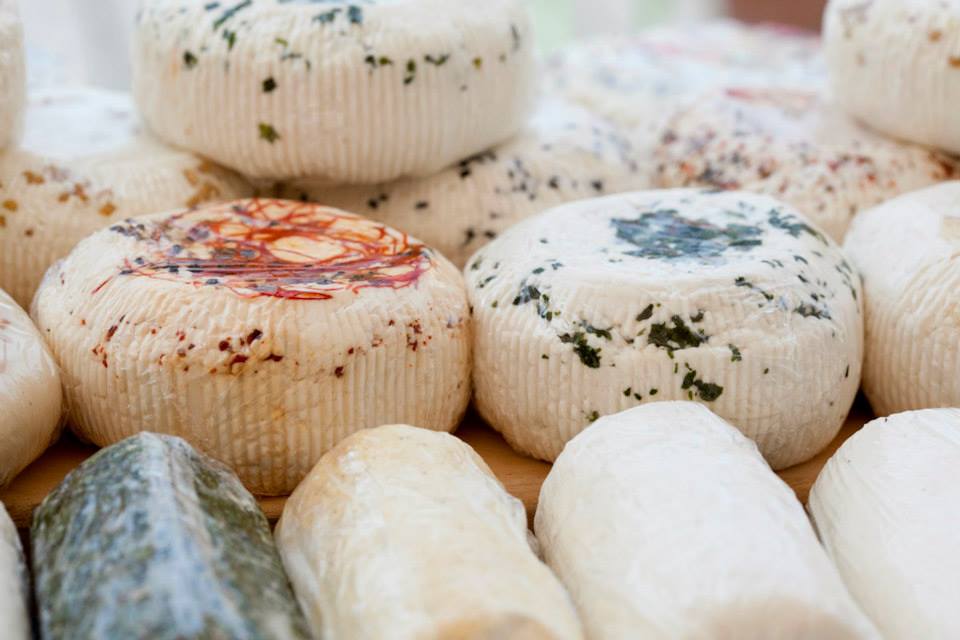
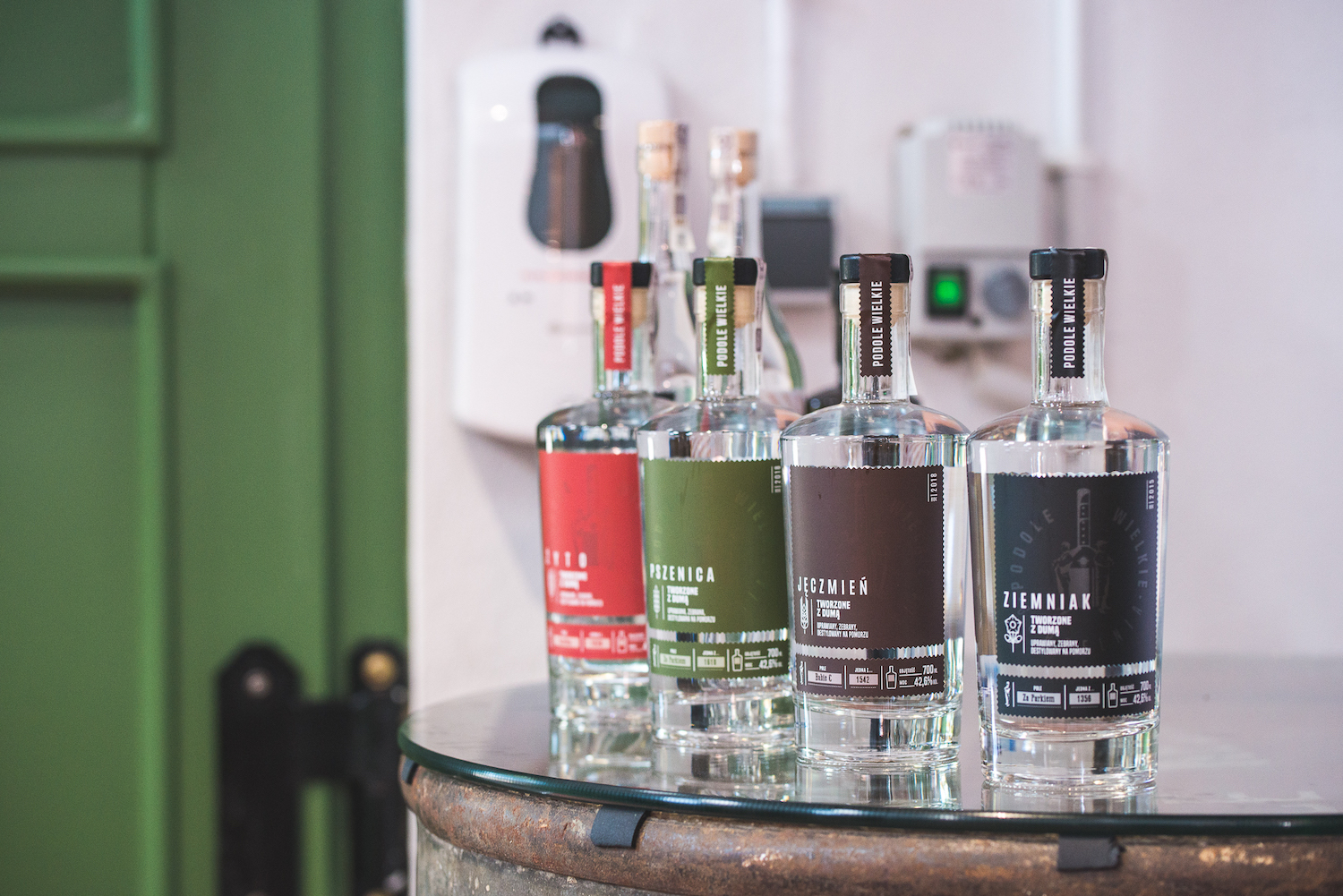
Since January 2023, the Pomorskie Tourist Board has been a partner in the project Bascil – Innovative Solutions for the Rural Food Production Sector to Diversify into Sustainable Culinary Tourism Services co-financed by the European Regional Development Fund (ERDF) under the Baltic Sea Region Interreg Programme 2021-2027.

Small rural food entrepreneurs have experienced severe financial losses due to the pandemic. Now they are facing the challenges of higher production costs due to rising energy prices and inflation. These factors have had a huge impact on the competitiveness of the local food production sector in the Baltic region.

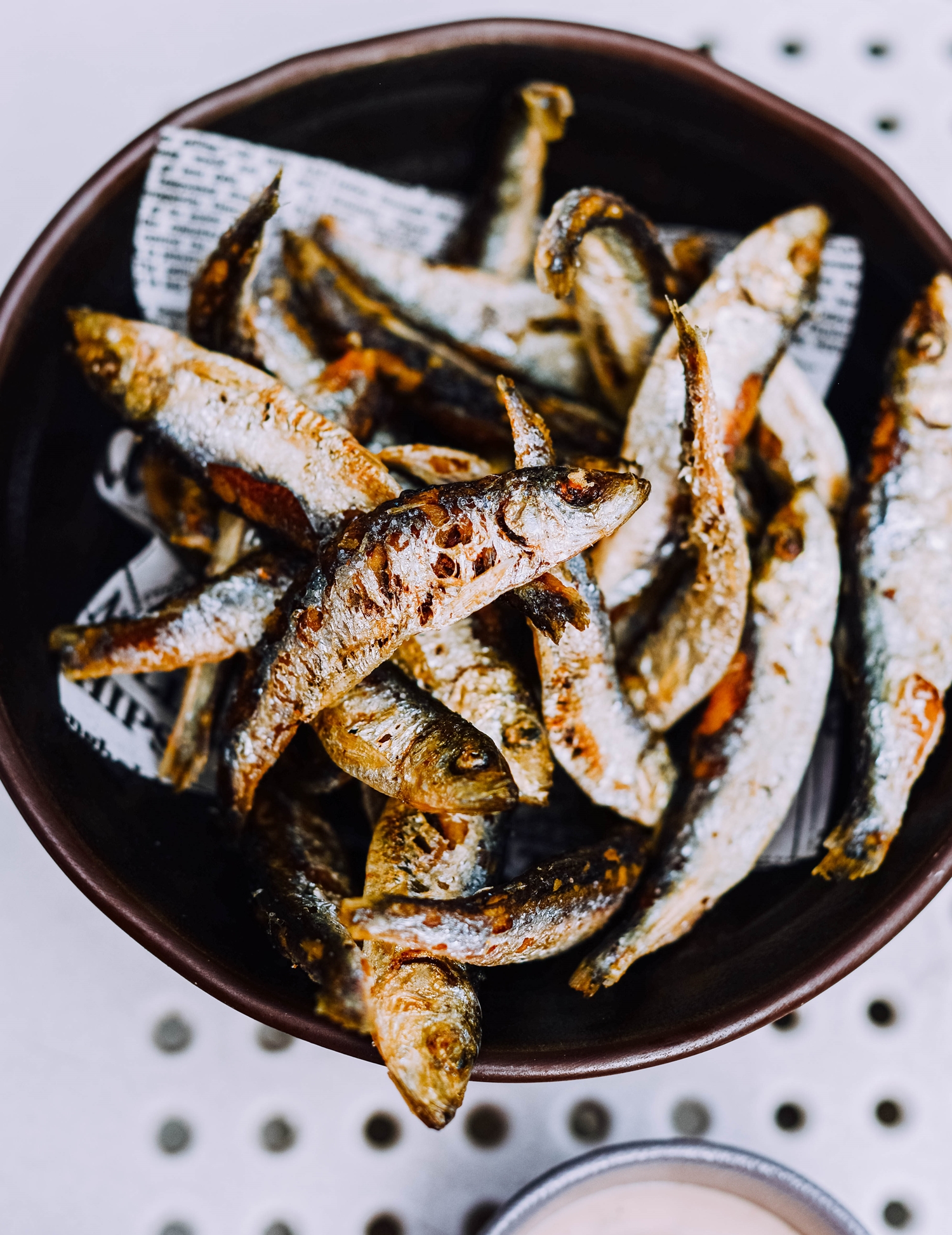
According to statistics compiled by UNWTO – the World Tourism Organization – there is a rapid increase in the popularity of culinary tourism around the world. The people of the Baltic Sea region themselves are also increasingly interested in local products, food and culinary tourism. To keep up with this trend, there has been a demand in the tourism market for more attractive and varied culinary tourism offers and services. In Europe, the Baltic Sea region still remains little known as a destination worth visiting for its culinary tourist attractions. The active participation of food producers in the tourism industry is an opportunity to make their offerings more visible and attractive to visitors.

Project objective

The goal of the BASCIL project is to develop rural culinary tourism services in the Baltic Sea region and improve the competitiveness of local food producers by diversifying their business activities in the tourism industry.

International cooperation

It is important to gather and analyze existing information and best practices in the region. Then there will be an opportunity to create sustainable, comprehensive solutions to minimize various risks to local food producers and their networks in the Baltic Sea region. By solving similar problems and conducting a combined analysis of different opportunities, strengths and weaknesses, a synergistic effect is achieved that allows for the development of common (but modifiable as needed) solutions for these target groups.

The results of the project are generally accessible and applicable to a wider group of food producers interested in diversifying their business activities. Pilot regions and networks from each participating country are part of the project.

From the Pomorskie region, the Local Action Group Slupia River Basin Partnership participates as a pilot region.

Contact person: Marcin Heron

m.heron@pds.org.pl, +48 608 506 899

Detailed information

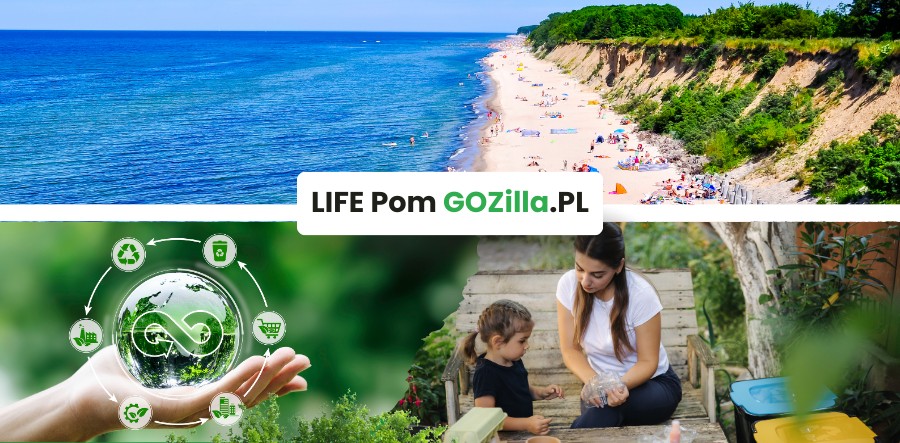
LIFE Pom GOZilla.PL

Project Title: Implementation of the Waste Management Plan for Pomorskie Province (PGOWP) taking into account the hierarchy of municipal waste handling and the principles of circular economy (GOZ).

The main objective of the project is to create conditions in Pomorskie Voivodeship for the effective implementation of the provisions of the Waste Management Plan for Pomorskie Voivodeship (PGOWP) in terms of rational management of municipal waste, in particular the principles resulting from the hierarchy of ways of dealing with waste and the principles of circular economy, i.e. reduce, reusePictures/videos we can add to the project gallery

Detailed information